Qatar Sets A New Tourism Benchmark With More Than 560 Events Featuring Formula 1, FIFA, Art Basel And Global Experiences

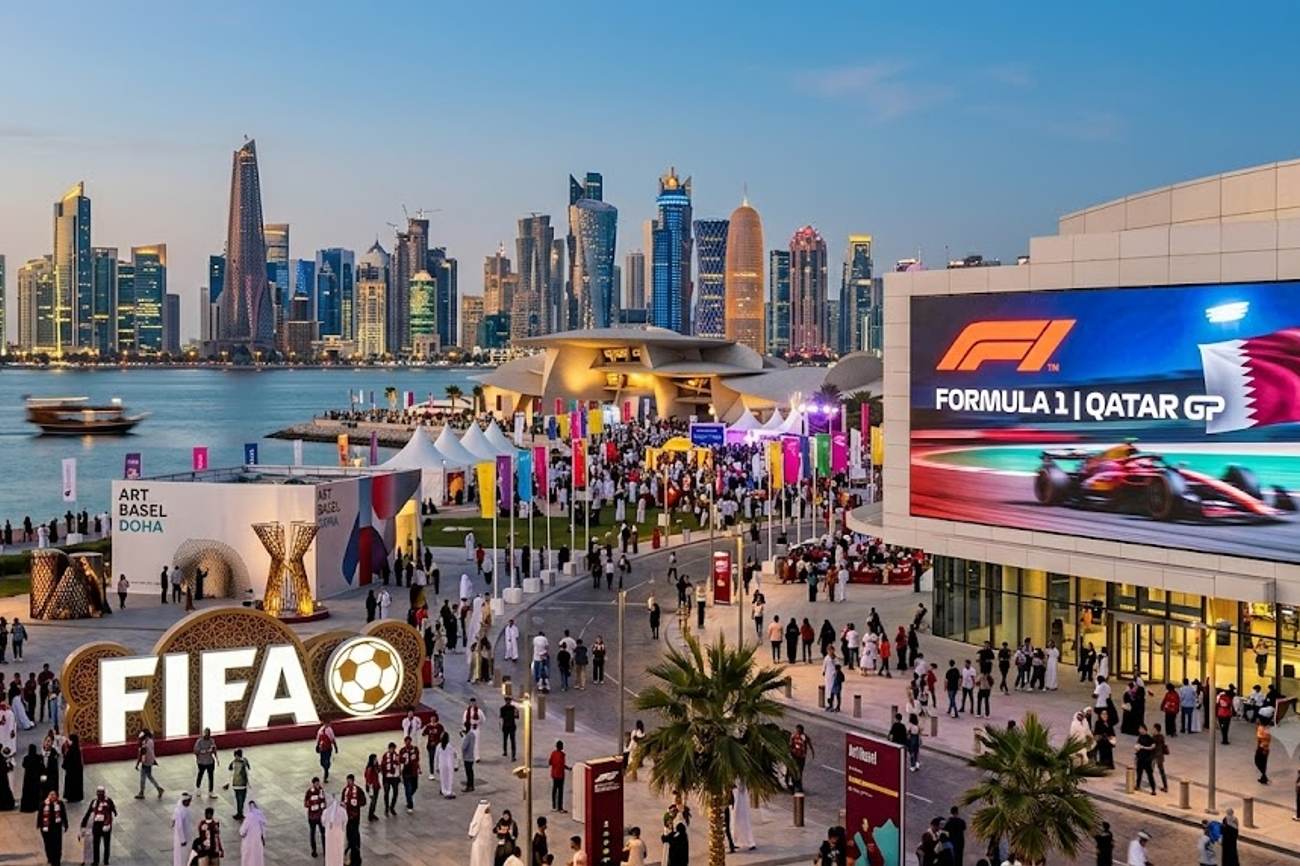
Image generated by AI
[Doha, October 2024] — Qatar is pivoting its national tourism strategy away from a reliance on isolated mega-events toward a sustainable, year-round visitor model with the launch of a comprehensive events calendar spanning through 2027.
The initiative, coordinated by the Qatar Tourism board, introduces a schedule of over 560 distinct events, including global sports competitions, arts festivals, and culinary exhibitions. By diversifying its attractions, the state aims to stabilize its Gross Domestic Product (GDP) and reduce the seasonal fluctuations typically associated with large-scale tournaments like the 2022 FIFA World Cup. The strategy was developed through a massive collaborative effort involving 780 public and private sector entities to ensure a consistent flow of international arrivals across all seasons.
Diversification of the Tourism Engine
The shift in strategy is designed to eliminate the "boom and bust" cycle of tourism that follows single, massive global events. Under the new framework, Qatar will average nearly 25 events per month, ensuring that the country remains a viable destination regardless of the time of year. This volume of activity is intended to encourage longer visitor stays, as travelers can now synchronize their trips with multiple overlapping experiences rather than flying in for a single match or race.
The operational goal is to leverage Qatar's compact geography. By clustering diverse activities—ranging from high-speed motorsport to desert exploration—within short travel distances, the government is attempting to increase the average length of stay and per-capita spending. This approach provides a steady revenue stream for hotels, retail businesses, and transport operators who previously faced significant downtime between major international tournaments.
Affected Travelers, Airlines and Logistics
The 2026-2027 calendar impacts several distinct traveler segments and regional hubs:
| Tourism Segment | Primary Attractions | Expected Impact |
|---|---|---|
| Sports Fans | Formula 1 Qatar Grand Prix, FIFA U-17 World Cup, Padel/Tennis Championships | High-volume arrivals of athletes, global media, and international fanbases. |
| Art Collectors | Art Basel Qatar, various gallery exhibitions, live concerts | Positioning Qatar as the primary creative hub for the Middle East. |
| Culinary Tourists | Qatar International Food Festival (QIFF) | Increased foot traffic and luxury spending in Lusail City. |
| Adventure Seekers | Brouq desert excursions, Al Shamal maritime heritage | Growth in regional tourism outside the Doha urban center. |
| Digital Nomads | Updated Visit Qatar app, unified ticketing | Streamlined booking processes for multi-event itineraries. |
Practical Traveler Advisory and Strategic Insights
For the individual traveler, this shift transforms Qatar from a "destination for a reason" (such as a specific tournament) into a "destination for a season."
Booking and Logistics: The introduction of a unified ticketing platform and upgrades to the Visit Qatar digital infrastructure mean that travelers can now bundle multiple event tickets and accommodations into a single itinerary. This reduces the friction of planning multi-city trips within the country.
Destination Shifts: Travelers should look beyond central Doha. The relocation of the Qatar International Food Festival (QIFF) to Lusail City signals a move toward decentralizing tourism. Visitors will find more luxury accommodation and dining options in Lusail, which is being groomed as the next major urban tourism hub.
Experience Variety: The calendar allows for "hybrid trips." A visitor arriving for the Formula 1 Qatar Grand Prix at the Lusail International Circuit can now easily integrate a visit to the Al Shamal coast for maritime heritage or the Brouq region for desert adventures, without needing to plan a separate trip.
Strengthening the Sports and Culture Infrastructure
Sports remain the primary catalyst for international arrivals. The return of the Formula 1 Qatar Grand Prix to the Lusail International Circuit ensures that Qatar remains a fixture on the global motorsport map. Simultaneously, the FIFA U-17 World Cup allows the state to maximize the utility of the advanced stadium infrastructure built for the 2022 World Cup, ensuring these assets do not become "white elephants" but continue to host global youth football communities.
Parallel to sports, the arrival of Art Basel Qatar represents a strategic move to capture the high-net-worth cultural tourism market. By hosting one of the world's most prestigious art fairs, Qatar is attempting to build a permanent creative ecosystem that attracts collectors and curators year-round. This is supplemented by a broader array of theater performances and concerts designed to appeal to a wider demographic of cultural travelers.
Expanding the Geographic Footprint
A critical component of the 2026-2027 plan is the aggressive promotion of regional tourism to relieve pressure on the capital.
Lusail City: Now serving as a primary anchor for entertainment and dining, Lusail is transitioning into a standalone destination. The hosting of QIFF in this district is a calculated move to drive urban exploration and support new retail developments.
Al Shamal: Located in the north, this region is being positioned as the center for maritime heritage. The focus here is on the historical relationship between the Qatari people and the sea, offering a slower-paced, heritage-driven alternative to the glitz of the city.
Brouq: To satisfy the growing global demand for nature-based and experiential travel, the Brouq region is being developed as the hub for outdoor adventures and desert landscapes. This targets the "active traveler" segment, providing an escape into the natural environment that complements the luxury of Doha's hotels.
FAQ: Qatar Tourism 2026-2027
When is the best time to visit Qatar under the new calendar? Because the strategy now averages 25 events per month, there is no longer a single "peak" window. Travelers should check the official events calendar to align their visit with specific interests, such as the F1 Grand Prix or Art Basel.
Do I need different visas for different events? Visa requirements remain governed by the Ministry of Interior. However, the unified ticketing platform is designed to simplify the entry process for those attending multiple sanctioned events.
Is all the activity still centered in Doha? No. The 2026-2027 plan specifically pushes tourism toward Lusail City for food and entertainment, Al Shamal for maritime heritage, and Brouq for desert and nature experiences.
How do I book tickets for these events? The government is launching a unified ticketing platform and updating the Visit Qatar app to allow travelers to book multiple events and experiences in one place.
Qatar is betting that a steady stream of curated experiences will outlast the adrenaline of a single world cup.
Related Travel Guides
This article is for informational purposes. Flight routes, passenger regulations, visa rules, and transit advisories are subject to change by airlines and aviation authorities. Readers are advised to verify schedules and travel documentation with relevant carriers and border agencies before departure.
Related Stories
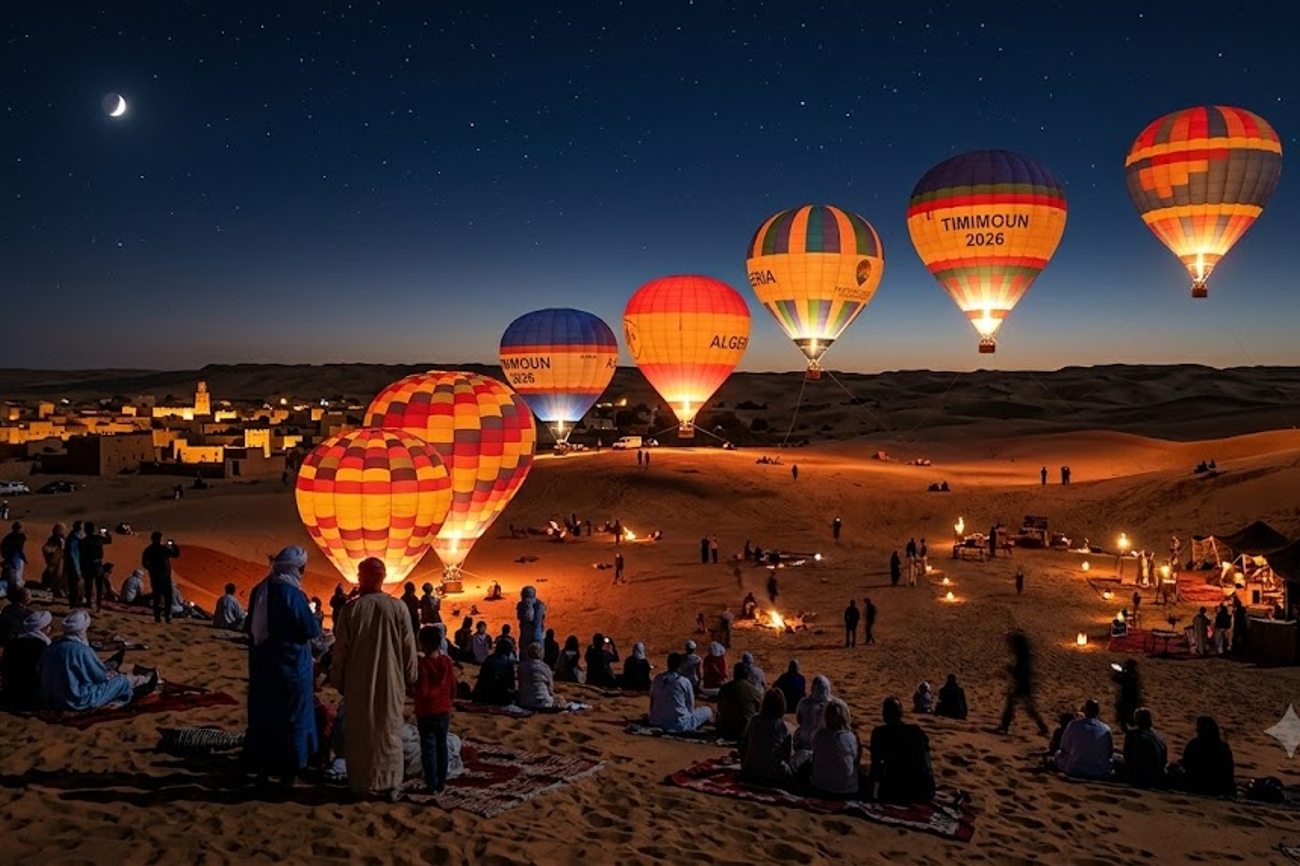
Algeria’s Timimoun Launches First Hot Air Balloon Festival With Desert Flights and Night Shows in 2026
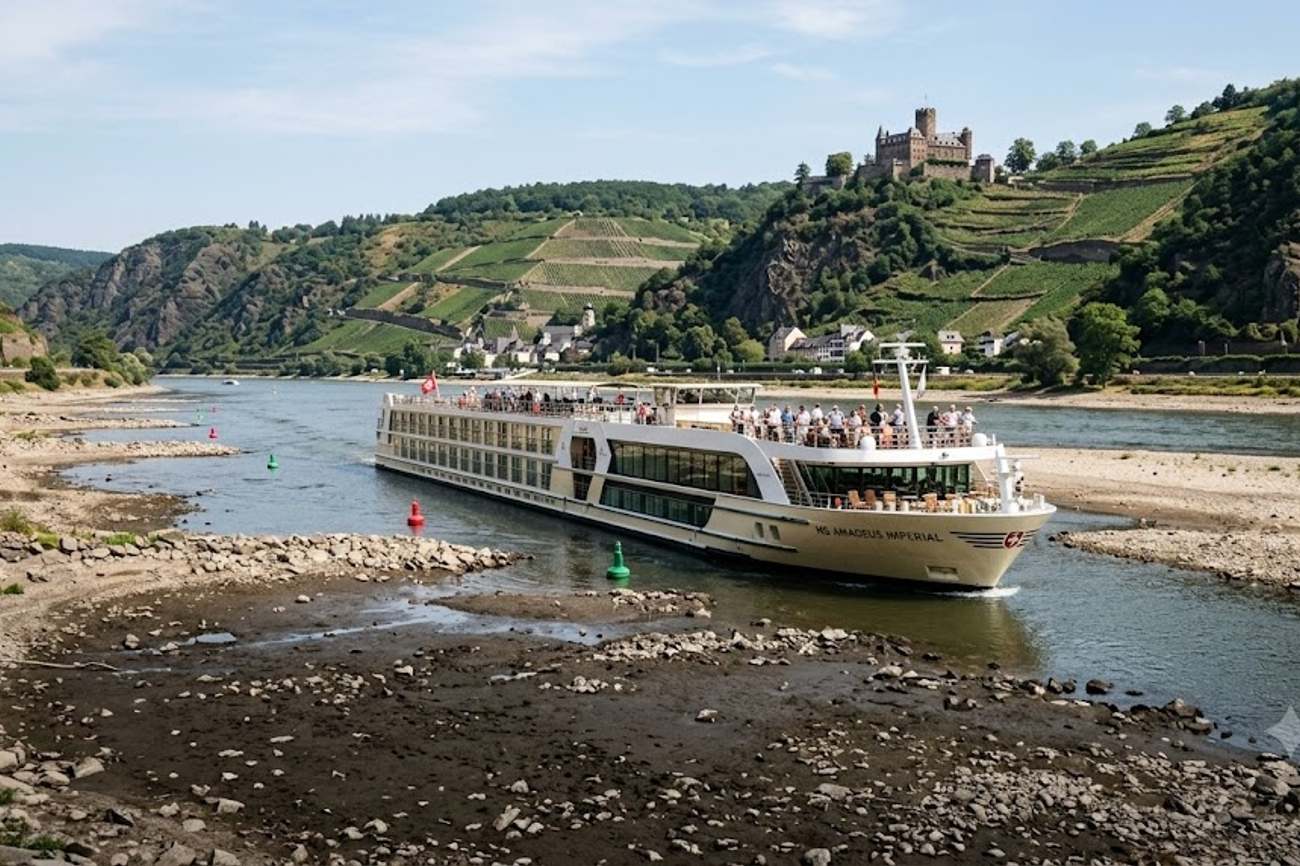
Germany’s Rhine And Danube Face Severe Low Water, Disrupting River Cruises And Travel Plans