LNER Launches Multilingual Digital Portal for International Passengers on East Coast Main Line 2026

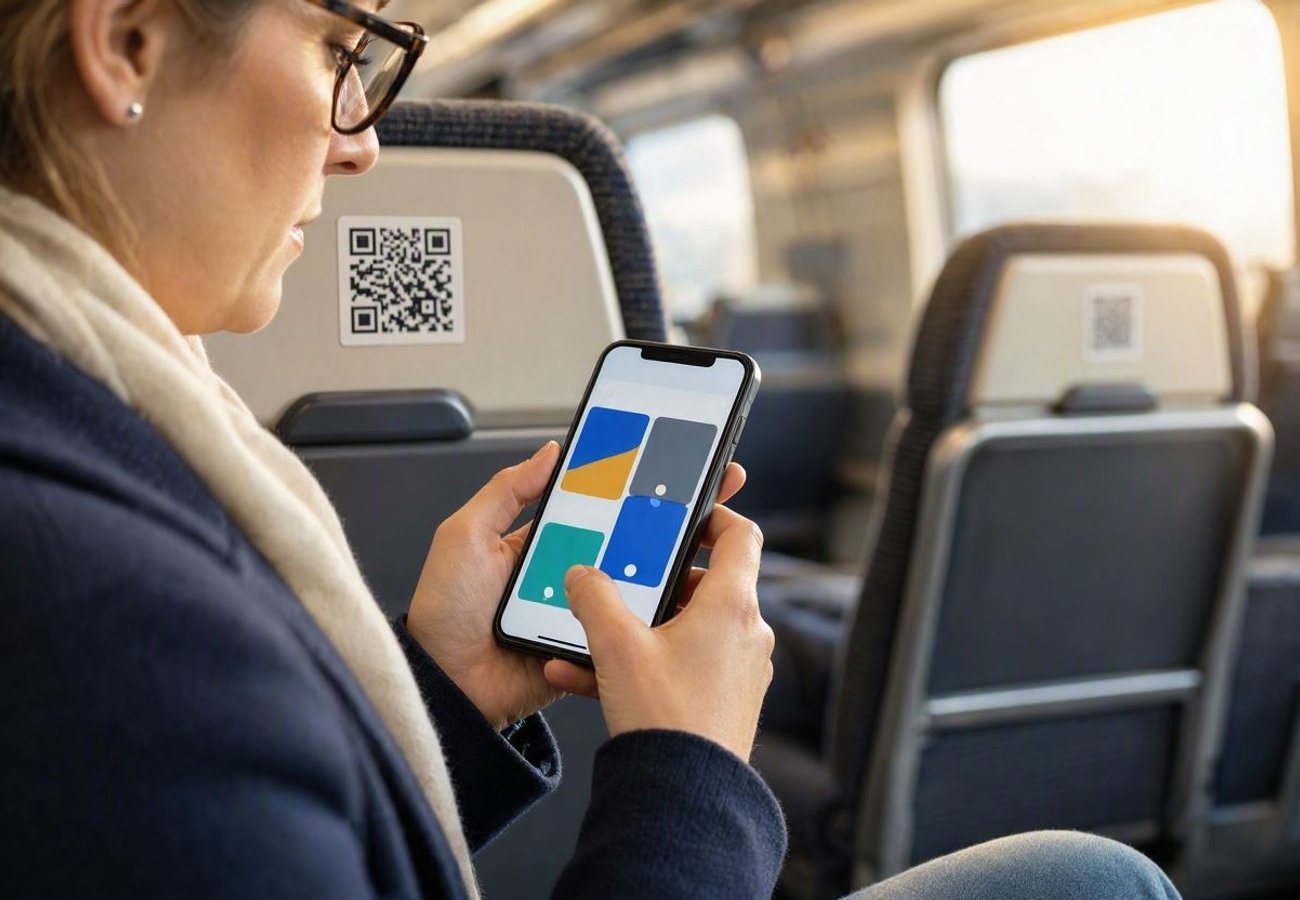
Image generated by AI
Are you navigating the UK rail network for the first time and worried about language barriers between London and Scotland? LNER has just deployed a significant digital upgrade to its onboard services, specifically designed to remove friction for non-English speaking international visitors.
The Multilingual Digital Shift on LNER
Starting in September 2026, London North Eastern Railway (LNER) has overhauled its "All Onboard" digital portal to accommodate a global passenger base. This is not a physical kiosk or a staffed desk, but a smartphone-integrated system that translates essential journey management tools and real-time information into seven different languages.
The rollout is timed to coincide with World Tourism Day on September 27, signaling a shift toward more inclusive transit infrastructure. For the millions of tourists who enter the UK annually, the primary hurdle is often the complexity of the rail network. By digitizing the passenger experience and removing the English-only requirement, LNER is attempting to make the transit corridor between the capital and the north more accessible.
The system operates via a decentralized access model. Instead of searching for a URL or downloading a heavy app, passengers simply scan a QR code located on the back of every seat. This provides an immediate gateway to the portal, allowing travelers to manage their trip in their native tongue without needing to interact with staff for basic status updates.
Route and Service Specifications
LNER operates the primary artery of the East Coast Main Line. The digital portal is available across all services connecting the following key hubs.
| Route Segment | Primary Hubs | Service Type | Digital Access | Status |
|---|---|---|---|---|
| London to Edinburgh | London King's Cross $\rightarrow$ Edinburgh Waverley | Long-Haul Intercity | QR Code / All Onboard | Active |
| London to Newcastle | London King's Cross $\rightarrow$ Newcastle | Intercity | QR Code / All Onboard | Active |
| London to York | London King's Cross $\rightarrow$ York | Intercity | QR Code / All Onboard | Active |
| Regional North | York $\rightarrow$ Newcastle $\rightarrow$ Edinburgh | Regional Express | QR Code / All Onboard | Active |
Traveler Logistics Guide
As a consultant for frequent nomads, I recommend a specific approach to utilizing these new tools to ensure your transit is seamless.
1. Accessing the Portal Do not waste time searching for Wi-Fi passwords or app store downloads upon boarding. Locate the QR code on the seatback directly in front of you. Use your native camera app to scan; this will trigger the "All Onboard" portal. Once loaded, navigate to the language settings immediately to select from the seven available options: English, German, French, Spanish, Italian, Polish, and Simplified Chinese.
2. Real-Time Journey Management The most valuable feature of this update is the live travel update feed. UK rail is prone to sudden platform changes or delays. Instead of waiting for an audio announcement—which can be muffled or difficult to understand in a second language—check the portal for text-based updates in your chosen language.
3. Connection Strategies If you are transferring at York or Newcastle, use the portal's planning tools to verify your next connection. I suggest checking the National Rail Enquiries website in tandem with the LNER portal to cross-reference platform numbers for onward travel to other regions.
4. Onboard Entertainment and Family Logistics For those traveling with children or looking for local insights, the portal hosts two specific audio resources:
London North Eastern Railway (LNER) has introduced a multilingual digital portal to cater to the growing number of international passengers on the East Coast Main Line, providing essential travel information and booking services in multiple languages. This initiative aims to enhance the overall travel experience for visitors from abroad, offering a more seamless and convenient journey. For more information on LNER's services and routes, passengers can visit the National Rail website for the latest updates and schedules.
- Routes Podcast: This provides destination-specific content. Use this to scout your next stop while you are still in transit.
- LNER Kids Club: A dedicated podcast for children to reduce travel fatigue on the longer London-to-Edinburgh legs.
5. Ticketing and Validation While the portal provides information, it does not replace your ticket. Ensure your digital or paper ticket is ready. For those managing complex multi-city itineraries, I recommend using the LNER Official Website to book and store your tickets in a digital wallet before boarding.
Regional Connectivity Impact
The East Coast Main Line is one of the most critical pieces of infrastructure for UK tourism, serving as the primary link between the financial hub of London and the cultural centers of York, Newcastle, and Edinburgh. By implementing multilingual support, LNER is effectively lowering the "barrier to entry" for international tourists who previously might have stuck to guided bus tours or expensive private hires due to a fear of navigating the rail system.
This digital evolution reflects a broader trend in global logistics where the smartphone becomes the primary interface for the passenger. When travelers can independently verify their location and destination status in their own language, it reduces the load on onboard staff and decreases passenger anxiety. This is particularly impactful for the Simplified Chinese and European markets, which represent a significant portion of the UK's inbound tourism.
The integration of destination-based podcasts ("Routes") also encourages "slow travel." By providing narrative content about the regions the train is passing through, LNER is attempting to convert a simple transit leg into a curated tourist experience. This encourages passengers to explore secondary cities like York or Newcastle rather than treating them as mere stopovers on the way to Scotland.
FAQ: LNER Multilingual Transit 2026
Do I need to download an app to use the multilingual services? No. The system is web-based. You simply scan the QR code on your seatback with your smartphone camera to access the All Onboard portal.
Which languages are supported on the LNER portal? The portal supports seven languages: English, German, French, Spanish, Italian, Polish, and Simplified Chinese.
Can I use the portal to buy tickets or change my booking? The portal is primarily for real-time information, journey management, and entertainment. For bookings or modifications, use the official LNER website or app.
Does the portal provide information for connections outside the LNER network? It provides live updates and planning tools for LNER routes. For connections to other operators, it is best to supplement this with National Rail data.
Travel smarter by letting the technology handle the translation while you handle the exploration.
Related Travel Guides
This article is for informational purposes. Flight routes, passenger regulations, visa rules, and transit advisories are subject to change by airlines and aviation authorities. Readers are advised to verify schedules and travel documentation with relevant carriers and border agencies before departure.
Related Stories
UK Restores Hastings Railway Services After Nine-Day Tunnel Overhaul: Grove Hill Engineering Reconnects Kent and East Sussex