
Lithuania Rises With Slovenia as Curonian Trails and Alpine Routes Challenge Famous Cycling Hotspots of Europe
Lithuania Rises With Slovenia as Curonian Trails and Alpine Routes Challenge Famous Cycling Hotspots of Europe

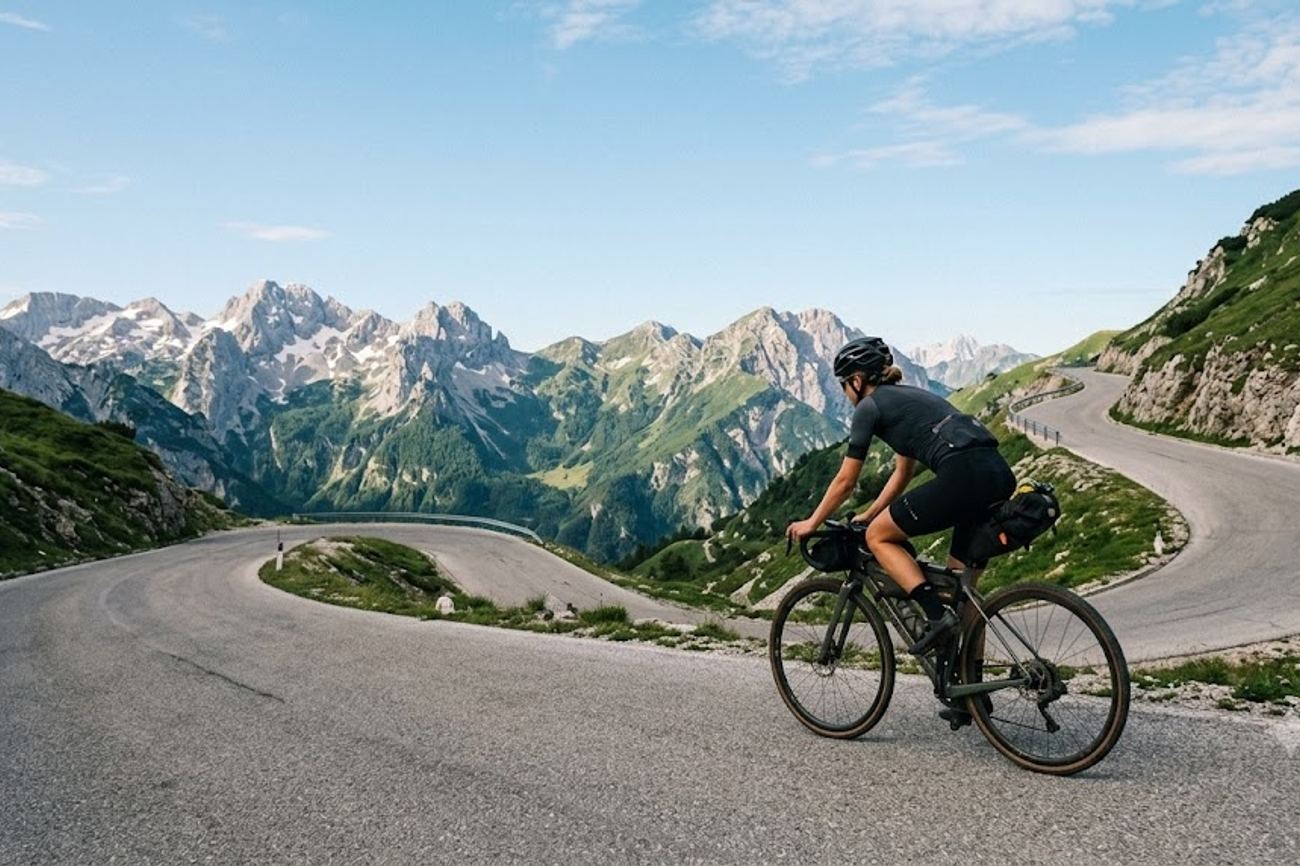
Image generated by AI
Are you looking to escape the crowded cycling corridors of the Alps or the Netherlands for something more authentic? If you are planning a European cycling expedition in 2026, the emerging corridors in Lithuania and Slovenia offer high-quality infrastructure without the tourist congestion found in traditional hotspots.
The Shift Toward Off-Beat European Cycling
For years, European cycling has been dominated by a few legendary regions: the French long-distance trails, the Spanish highlands, and the flatlands of the Netherlands. However, 2026 data indicates a strategic pivot toward "hidden gems" in the Baltics and Central Europe. Lithuania and Slovenia have emerged as primary alternatives, leveraging unique geographical features—such as the Curonian Spit's dunes and the Slovenian Alps—to attract a new wave of adventure travelers.
This trend is supported by a massive infrastructure expansion across the continent. The EU cycling network now exceeds 900,000 km of dedicated paths and lanes. This allows for a seamless transition from urban hubs to remote rural landscapes. With nearly 24% of EU residents cycling weekly, the support systems for bike rentals, repair shops, and cycling-friendly accommodation are now integrated into the regional logistics of these lesser-known destinations.
Route and Schedule Details
The following table outlines the primary off-beat routes currently trending for 2026, based on official tourism indicators and growth patterns.
| Route/Region | Country | Featured Proposition | 2026 Trend/Indicator | Status |
|---|---|---|---|---|
| Curonian Loop | Lithuania | Dunes, wetlands, and forests | +9.8% tourism nights (Q2) | Active |
| Drava & Štrekna | Slovenia | River valleys and old railways | 7M+ nights (H1 2026) | Active |
| Flatland Route | Finland | Remote plains and lakes | +1.8% tourism growth | Active |
| EuroVelo 11 | Estonia | South Estonia corridors | 1.79M nights (Q2 2026) | Active |
| Durmitor | Montenegro | High mountain landscapes | +3.7% tourism growth | Active |
| Greenways | Latvia | Regional rural routes | +6.0% tourism growth | Active |
| Troodos/Akamas | Cyprus | Coastal and mountain paths | 85.6% Intl. share (Q1) | Active |
| Numedal | Norway | National cycling routes | +9.0% tourism growth | Active |
| Danube Alts | Serbia | Rural river alternatives | -0.2% tourism growth | Active |
| Inland Rural | Portugal | Non-coastal backcountry | +1.8% tourism growth | Active |
Traveler Logistics Guide
Navigating these routes requires a different approach than visiting a major city. Because these are "off-beat" paths, you cannot rely solely on spontaneous planning.
1. Route Planning and Navigation For the Curonian Loop in Lithuania (185 km), you will be traversing the Curonian Spit and the Nemunas River Delta. This requires a mix of coastal and forest navigation. I recommend using the Lithuania Travel official portal to map your stops. In Slovenia, the Drava Cycling Route covers 145 km, while the Štrekna adds another 35 km. Since Štrekna utilizes former railway corridors, the gradients are generally manageable, making it ideal for those who prefer steady pacing over steep climbs.
2. Equipment and Rentals Do not transport your own bike unless you are a professional. The growth in EU cycling infrastructure means high-quality rentals are available at the start and end of these loops. For Slovenia, ensure your rental includes a pannier system, as the transition from the Koroška region to the Štajerska wine country often involves multi-day stays in rural guesthouses.
3. Accommodation Strategy The 2026 data shows a surge in short-term rental guest nights (144.3 million in Q1 alone). In Lithuania and Slovenia, avoid booking only large hotels. To experience the "authenticity" mentioned by industry experts, utilize regional guesthouses. In the Curonian Loop, look for stays within the Spit itself to avoid daily commutes from the mainland.
4. Transit and Customs Since all these destinations are within the Schengen Area, transit is streamlined. However, if you are bringing a bike via rail, you must book "bicycle space" in advance through operators like Slovenian Railways (SŽ) or similar national carriers, as bike slots on regional trains are limited and sell out quickly during the H1 peak.
5. Optimal Timing While H1 2026 showed strong demand (1.321 billion accommodation nights across the EU), the "sweet spot" for these routes is late May through September. The Curonian Loop is particularly volatile in early spring due to wind conditions on the dunes.
Regional Connectivity Impact
The rise of these routes is reshaping how travelers perceive Eastern and Central Europe. Historically, tourism was concentrated in capitals like Vilnius or Ljubljana. Now, the focus is shifting toward regional connectivity.
In Slovenia, the integration of the Drava route creates a corridor that connects the Alpine world with the Karst landscapes, allowing cyclists to experience diverse ecosystems without crossing international borders. This "micro-diversity" is a major draw for 2026.
In the Baltics, the Curonian Loop creates a symbiotic relationship between Lithuania, Latvia, and Estonia. With Estonia reporting 1.79 million tourism nights in Q2 2026 and Latvia seeing a 6% growth in tourism nights, there is a clear trend toward "Baltic Hopping." Cyclists are no longer sticking to one country but are utilizing the EuroVelo network to link the Curonian Loop with the Flatland routes of Finland and the South Estonia corridors.
This shift is also reflected in the demographics of the travelers. International tourism growth in the EU grew by 5.5% in Q1 2026, outstripping domestic growth (1.7%). This suggests that the demand for these off-beat routes is being driven by global nomads and long-term travelers seeking alternatives to the "over-tourism" found in France or Italy.
FAQ: European Off-Beat Cycling 2026
Do I need a special permit to cycle the Curonian Spit? No specific cycling permit is required, but certain areas of the Curonian Spit are protected national parks. You must stay on designated paths to avoid fines and protect the fragile dune ecosystem.
How long should I allocate for the Curonian Loop? The loop is 185 km. For a moderate pace that includes sightseeing in the Nemunas River Delta and the coastal dunes, allow 4 to 6 days.
Is the Štrekna route in Slovenia suitable for beginners? Yes. Because it follows a former railway corridor, the route avoids the extreme inclines found in the Alpine sections of Slovenia, making it accessible for casual cyclists.
Can I rent a bike in one city and drop it off in another? This depends on the provider. Many regional operators in Lithuania and Slovenia now offer "one-way" rentals to support the loop-style tourism trending in 2026, but this must be arranged at the time of booking.
Ditch the crowds and trade the famous peaks for the silent dunes of the Baltics.
#CuronianLoop2026 #SloveniaCycling #DravaRoute #EuroVeloBaltics #OffBeatEurope2026 #StreknaTrail
Related Travel Guides
- Saudi Arabia Creates 4,310 Sq Km Nature Reserve Near Riyadh To Transform Desert Tourism And Protect Biodiversity
- Philippines Advances Batanes Destination Growth With Basco Travel Deals Sabtang Glamping and Smart Registration
- Croatia and Other European Countries Travel Price Surge Was Supposed to Empty Their Beaches—Instead, It Set New Records
Disclaimer
This article is for informational and educational purposes only. It does not constitute legal, financial, or professional advice. While we strive to provide accurate and up-to-date information, travel policies, regulations, and conditions change rapidly. Always verify information with official sources before making travel decisions. Nomad Lawyer makes no representations about the accuracy, reliability, completeness, or suitability of the information provided. Readers should consult qualified professionals for advice specific to their circumstances. The views expressed in this article are those of the author and do not necessarily reflect the views of Nomad Lawyer.
Raushan Kumar
Founder & Lead Developer
Full-stack developer with 11+ years of experience and a passionate traveller. Raushan built Nomad Lawyer from the ground up with a vision to create the best travel and law experience on the web.
Learn more about our team →