
Philippines Advances Batanes Destination Growth With Basco Travel Deals Sabtang Glamping and Smart Registration
Philippines Advances Batanes Destination Growth With Basco Travel Deals Sabtang Glamping and Smart Registration

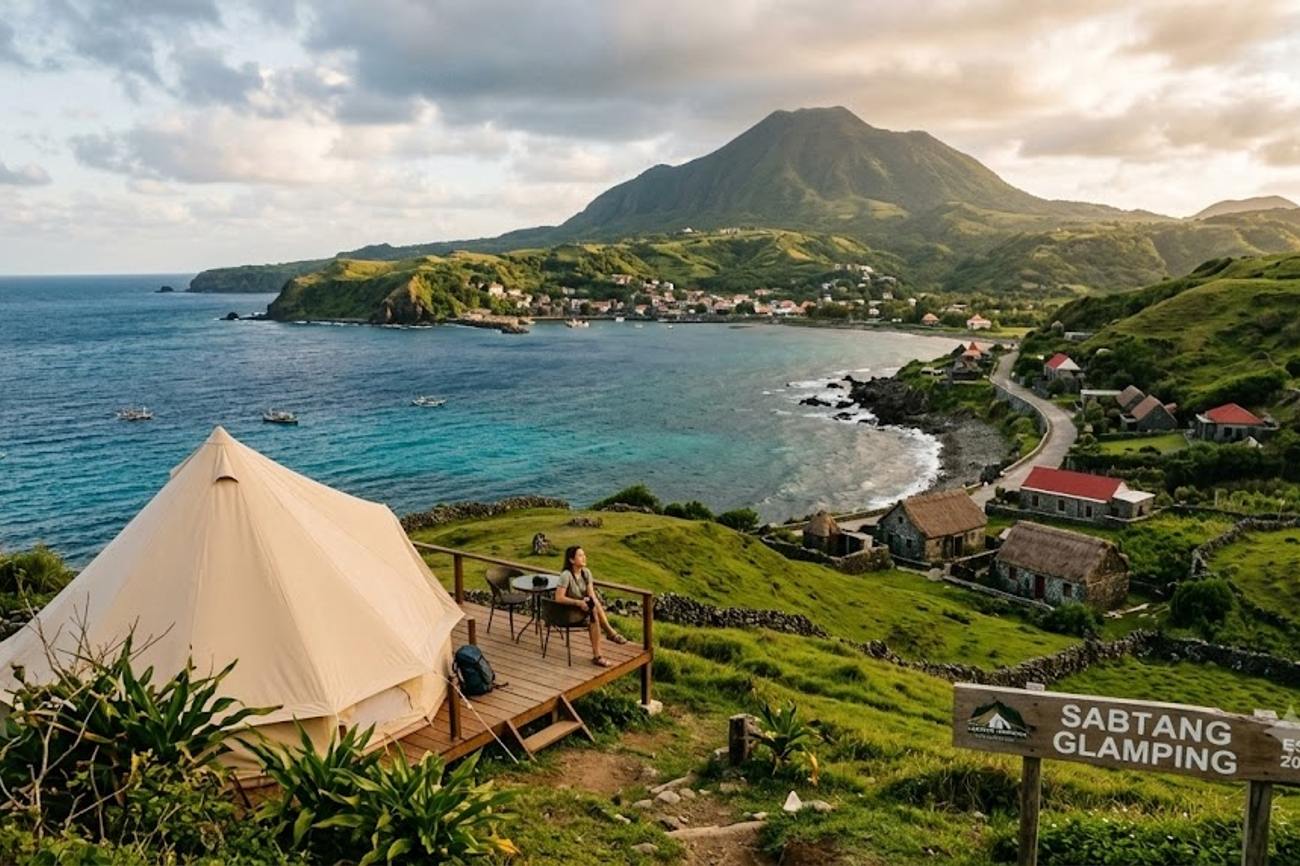
Image generated by AI
While most travelers view Batanes as a remote sanctuary of rolling hills, the province has quietly shifted into a managed economy where every single visitor must be digitally logged before they even touch down. Since June 15, 2026, the provincial government has mandated a Smart Tourism Registration System for all arrivals—whether you are a holidaymaker or traveling on official business—marking a definitive end to the era of spontaneous, unmonitored exploration in the northernmost reaches of the Philippines.
The Shift Toward Structured Discovery
Batanes is currently transitioning from a destination defined by vague, aspirational imagery to one of precise tourism distribution. For years, the province was marketed through the lens of its dramatic coastlines and stone houses, but the Philippine Department of Tourism has now pivoted toward "product-led" growth. This means that instead of simply promoting the idea of Batanes, the national tourism platform now lists specific, bookable assets: DOT-accredited birding tours, extended-stay incentives at properties like Fundacion Pacita, and curated excursions to the remote island of Itbayat.
This change is designed to move the traveler from the "dreaming" phase to the "booking" phase more efficiently. By placing concrete offers—such as multi-night rewards in Basco or specific glamping packages in Sabtang—directly in front of the user, the region is treating its tourism capacity as a managed inventory rather than an open-ended resource. This structured approach allows the province to steer visitor flow toward specific activities and locations, ensuring that the economic benefits of tourism are not solely concentrated in the capital.
What Makes Batanes Different
The uniqueness of Batanes lies in its geographic isolation and the enduring heritage of the Ivatan people. Unlike the white-sand beach resorts of Palawan or Boracay, Batanes offers a rugged, wind-swept aesthetic defined by stone architecture built to withstand the strongest typhoons. The experience is fundamentally about the intersection of nature and resilience.
The province is divided into distinct experiential zones. Basco serves as the commercial and administrative nerve center, acting as the primary gateway since all scheduled mainland flights land at Basco Airport. However, the real cultural depth is found in the outlying areas. Sabtang Island, reached via Ivana, is now being positioned as an experiential hub. The introduction of glamping and traditional Ivatan accommodations here encourages visitors to slow down and integrate into the local rhythm rather than treating the island as a day-trip excursion.
Further north lies Itbayat, the most remote inhabited island in the province. While historically difficult to access for the average traveler, the current shift toward structured distribution means that Itbayat tour packages are now being sold through Basco-based operators, creating a commercial bridge to a part of the province that remains largely untouched by mass tourism.
Visitor Insider Tips
Navigating Batanes requires a different mindset than the rest of the Philippines. Because the weather is the ultimate authority here, flexibility is your most valuable asset.
The Registration Hurdle: Do not leave your paperwork for the last minute. Ensure your Smart Tourism Registration is completed online or through your accredited operator well before your flight. Philippine Airlines strictly enforces this requirement per Executive Order No. 23, Series of 2026; failure to register can lead to significant boarding delays.
Strategic Basing: While Basco is the logical place to start due to the airport and concentration of services, I recommend splitting your stay. Spend your first few nights in Basco to acclimate, but book at least two nights in Sabtang. Staying overnight allows you to experience the island after the day-trippers leave, providing a much more authentic glimpse into Ivatan life.
Timing and Weather: The "best" time is subjective, but the window between March and June generally offers the most stable weather. However, always check the Philippine Atmospheric, Geophysical and Astronomical Services Administration (PAGASA) for real-time updates, as flight cancellations are common during the typhoon season.
Local Etiquette: The Ivatan people are known for their honesty and deep community bonds. Respect the "low-impact" nature of the province. Avoid loud disruptions in residential areas and always hire a local guide. Not only is this often required for protected areas, but it is the only way to understand the nuances of the stone house architecture and the ancestral land rights of the region.
Cultural and Environmental Context
Tourism in Batanes is a delicate balancing act. The province is not just a scenic backdrop; it is a protected area and the ancestral home of the Ivatan. The implementation of the Smart Tourism Registration System is not merely a bureaucratic exercise—it is a tool for environmental and social preservation. By tracking visitor numbers and movements in real-time, the provincial government can manage the "carrying capacity" of fragile sites, preventing the kind of over-tourism that has plagued other Philippine destinations.
The push toward "low-impact tourism" is evident in the promotion of birding and extended stays. By encouraging visitors to stay longer and engage in niche activities like birdwatching, the province shifts the focus from "sightseeing" (which often involves high-volume, short-term visits) to "experiencing" (which involves deeper, more sustainable economic integration). This model ensures that tourism revenue supports the maintenance of traditional Ivatan lifestyles and the preservation of the natural environment without erasing the very authenticity that draws visitors to the islands in the first place.
For those interested in the broader context of Philippine heritage, the UNESCO World Heritage Centre provides excellent context on the types of cultural landscapes the Philippines strives to protect, including the unique vernacular architecture found in Batanes.
FAQ: Visiting Batanes 2026
Do I need a visa to visit Batanes? Visa requirements depend on your nationality and are governed by Philippine national law. Most travelers enter via Manila. Check the official Department of Tourism or the nearest Philippine embassy for current visa regulations.
How do I get to Batanes from Manila? The primary route is via scheduled flights from Manila to Basco Airport. Be aware that flights are limited and weather-dependent. Ensure your Smart Tourism Registration is complete before checking in with your airline.
Is it safe for solo travelers? Batanes is one of the safest provinces in the Philippines, known for its low crime rate and welcoming community. However, due to the rugged terrain and unpredictable weather, it is highly recommended to use accredited guides for all excursions.
What is the best way to get around the islands? Within Basco and Sabtang, tricycle tours are the standard. For more remote areas like Itbayat, you will need to coordinate transport through a Basco-based tourism operator as part of a structured package.
Batanes is no longer a place you simply stumble upon; it is a destination that now asks you to be as intentional about your visit as the Ivatans are about their heritage.
#BatanesTravel2026 #IvatanCulture #BascoGateway #SabtangGlamping #PhilippinesNorthernFrontier
Related Travel Guides
- Croatia and Other European Countries Travel Price Surge Was Supposed to Empty Their Beaches—Instead, It Set New Records
- New York Catskills Travel Revolution Unlocks A Breathtaking Rural Paradise Near America’s Biggest City
- Canada Surrey Durga Puja Creates a Stirring Autumn Moment for Bengali Culture
Disclaimer
This article is for informational and educational purposes only. It does not constitute legal, financial, or professional advice. While we strive to provide accurate and up-to-date information, travel policies, regulations, and conditions change rapidly. Always verify information with official sources before making travel decisions. Nomad Lawyer makes no representations about the accuracy, reliability, completeness, or suitability of the information provided. Readers should consult qualified professionals for advice specific to their circumstances. The views expressed in this article are those of the author and do not necessarily reflect the views of Nomad Lawyer.
Kunal K Choudhary
Co-Founder & Contributor
A passionate traveller and tech enthusiast. Kunal contributes to the vision and growth of Nomad Lawyer, bringing fresh perspectives and driving the community forward.
Learn more about our team →