
Middle East Energy Corridor Surge Fuels Tourism Boom Across Dubai, Abu Dhabi, Doha, and Riyadh in 2026
Forty vessels daily now transit the Strait of Hormuz as UAE, Saudi Arabia, Qatar, and Kuwait stabilize energy exports—triggering unprecedented tourism expansion across Gulf hubs.

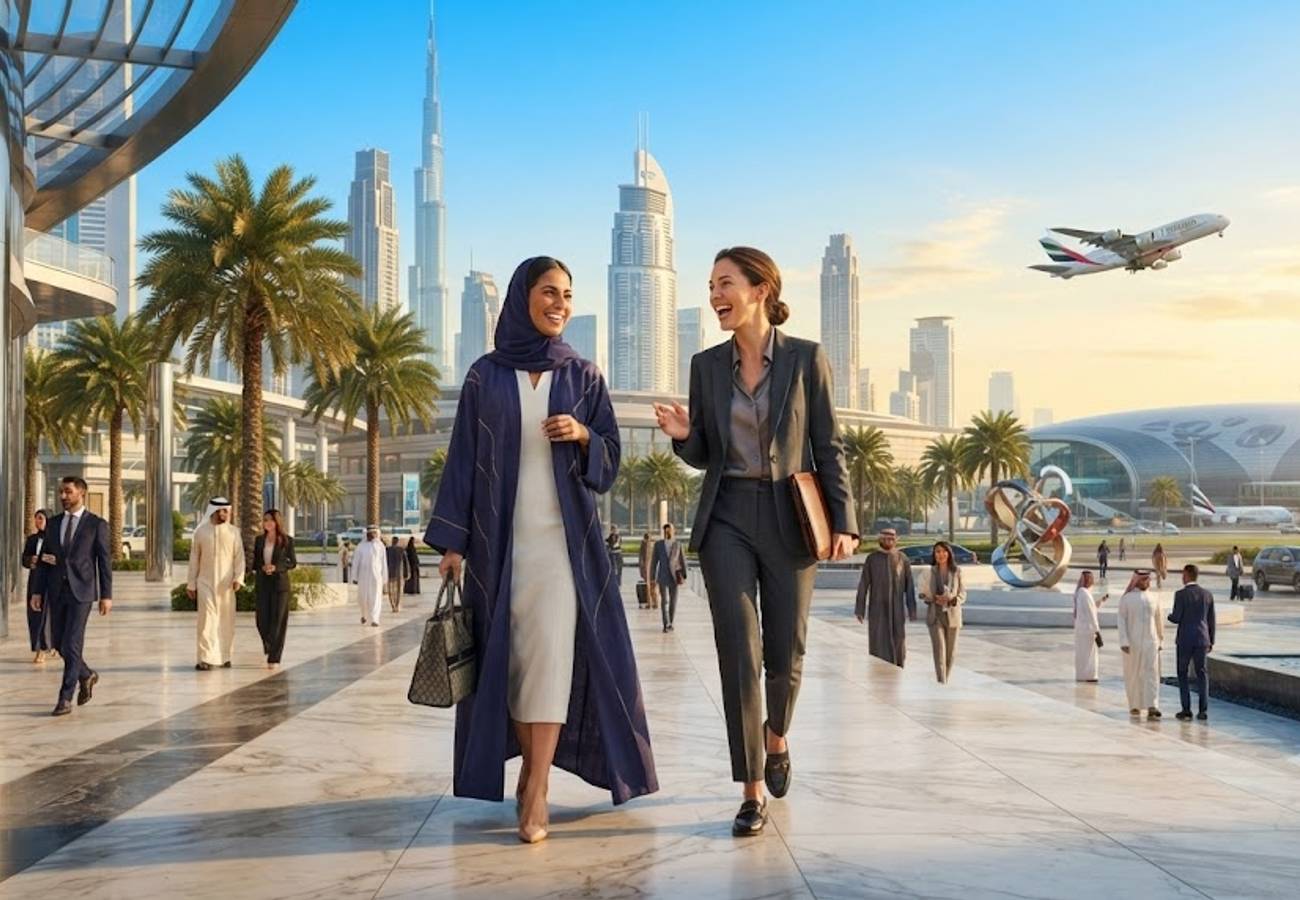
Image generated by AI
The Perfect Storm: Energy Stabilization Meets Tourism Acceleration
The Strait of Hormuz is witnessing its most predictable traffic patterns in years. Approximately forty vessels daily now move through this critical energy corridor—a dramatic signal that regional stability has returned to the world's most consequential shipping lane.
But here's what matters to travelers: this isn't just a logistics story. It's a cascading economic event that's reshaping mobility, aviation capacity, and hospitality infrastructure across the entire Gulf region.
Reddit: "The energy sector recovery is literally filling hotel rooms in Dubai and Doha. Business travel is booming again." — r/travel
Why Energy Recovery Transforms Tourism
When crude oil, LPG, and LNG begin flowing steadily again, something unexpected happens. The supporting infrastructure—airports, hotels, crew rotations, business travel networks—experiences parallel growth.
The UAE, Saudi Arabia, Qatar, and Kuwait have aligned on a coordinated maritime strategy that prioritizes both energy exports and regional confidence. This alignment doesn't just move oil. It moves people.
Business travelers following energy contracts are flooding into Dubai and Abu Dhabi. Cruise operators are reactivating Gulf itineraries. Airlines are adding capacity to handle increased connectivity between energy hubs and Asian demand centers like Shanghai, Mumbai, and Seoul.
UAE: The Regional Maritime Pivot Point
The United Arab Emirates sits at the intersection of two competing forces: the critical Hormuz Strait corridor and the resilient Gulf of Oman bypass infrastructure.
This dual advantage has made the UAE the default stabilizer of regional shipping flows. When geopolitical tensions spike elsewhere, vessels redirect to Fujairah and other UAE terminals, maintaining export continuity.
For travelers, this means Dubai International Airport and Abu Dhabi International are experiencing measurable passenger surges. Hotel occupancy across the Emirates is climbing faster than forecasted. Cruise terminals are reaching capacity weeks in advance.
The economic multiplier is real: a single stable month of energy trade translates into thousands of additional business travelers requiring accommodation, dining, and ground transport.
Saudi Arabia's Volume Effect on Regional Mobility
Saudi Arabia remains the heavyweight anchor of this recovery. Its export capacity dwarfs every competitor in the region—and that scale directly influences travel patterns.
As Saudi crude shipments resume predictable rhythms, the kingdom's own tourism infrastructure is benefiting. Riyadh and Jeddah are experiencing synchronized growth in business aviation, hotel development, and conference tourism linked to energy sector activity.
The Saudi Vision 2030 tourism initiative is riding this unexpected tailwind. Energy professionals arriving for contract negotiations are converting into leisure travelers extending their stays to explore the kingdom's emerging hospitality offerings.
Qatar and Kuwait: The Specialization Advantage
Qatar controls a disproportionate share of global liquefied natural gas (LNG) trade. Contract-based shipping requirements mean LNG carriers operate on ironclad schedules with minimal disruption tolerance.
This predictability is exactly what energy traders and logistics professionals need—and it's exactly what tourism operators can build around. Doha is leveraging this maritime certainty to expand conference tourism and business travel infrastructure.
Kuwait, while smaller in export volume, maintains steady mid-range crude shipments that prevent volatility gaps. Both nations are using maritime stability as a foundation for hospitality sector growth, particularly in luxury business travel segments.
The Asia-Pacific Demand Engine
Here's where the story accelerates: China, India, Japan, and South Korea aren't passive consumers of Gulf energy.
They're active demand magnets that pull vessels back into normal routing patterns after every disruption. According to major shipping analytics firms, Asian import contracts are now so robust that even minor regional tensions barely create shipping delays.
For travelers, this means increased business aviation between Gulf hubs and Asian megacities. It means more frequent direct flights from Dubai to Shanghai, Abu Dhabi to Mumbai, and Doha to Seoul. It means hotel chains opening new properties specifically designed for the energy logistics workforce.
Reddit: "Booked a flight Dubai-Mumbai and found the premium cabin basically full of energy sector professionals. Business travel in the Gulf is insane right now." — r/frequentflyer
The Forty-Vessel Threshold: What It Actually Means
The forty vessels per day figure represents something specific: a transitional stability phase, not full normalization.
This rate is sustainable, commercially confident, but still carries embedded risk premiums. Shipping insurance costs remain moderately elevated. Security coordination continues. The system is resilient but acknowledges underlying geopolitical sensitivity.
For travelers, this means: expect consistent airline capacity, reliable port operations, and steady tourism infrastructure investment—but don't expect crisis-era discounting to disappear entirely. Risk premiums persist in pricing across aviation and hospitality.
The Tourism Multiplication Effect
The intersection of energy logistics and tourism creates unexpected economic multipliers:
Business travel expansion linked to energy contracts is filling premium hotel segments across Dubai, Abu Dhabi, Riyadh, and Doha.
Aviation crew mobility is driving hospitality demand in secondary markets. Pilots, engineers, and logistics personnel require accommodations during layovers and crew rotations.
Cruise reactivation through Gulf waters is creating entirely new tourism corridors. Operators are expanding itineraries with confidence that maritime conditions will remain predictable.
Hospitality infrastructure investment is accelerating. Hotel chains and cruise operators are committing capital based on the assumption that energy-driven mobility will remain robust throughout 2026 and beyond.
Infrastructure Investment as Confidence Signal
When major operators invest in Gulf tourism infrastructure simultaneously, it signals something crucial: they believe in sustained regional stability.
Airlines are adding international routes to Dubai International and Doha Hamad International. Cruise companies are booking berths months in advance. Hotel chains are fast-tracking construction projects across the Emirates and Saudi Arabia.
These decisions don't happen during uncertainty. They happen when the data suggests durable, multi-year growth trajectories.
Leading travel analytics providers are tracking this infrastructure acceleration closely, noting that Gulf tourism capital expenditure in 2026 matches or exceeds pre-disruption peak levels.
The Structural Shift: Trade Routes Become Travel Hubs
The deep structural shift isn't about individual vessel movements or daily shipping volumes.
It's about the transformation of energy corridors into tourism infrastructure. The same ports managing crude oil tankers are simultaneously hosting cruise ships. The same airlines serving energy logistics are expanding leisure route networks. The same hotels filling with business travelers from energy sectors are marketing leisure experiences.
This convergence creates a resilient tourism ecosystem. When energy demand fluctuates, leisure travel provides revenue stability. When tourism softens, business travel linked to energy contracts sustains occupancy rates.
Looking Forward: 2026 as a Pivot Year
The convergence of stable maritime conditions, coordinated regional policy, and robust Asian demand is creating conditions for sustained Gulf tourism expansion through 2026.
This isn't a temporary surge. It's a recalibration of the region's economic identity—from pure energy exporter to integrated energy-and-tourism powerhouse.
For travelers, this means improved connectivity, expanded capacity, competitive pricing in secondary markets, and tourism infrastructure that's genuinely world-class rather than aspirational.
The Strait of Hormuz isn't just moving oil anymore. It's moving the entire region toward a tourism future that nobody fully predicted.
The Middle East's greatest competitive advantage isn't its energy reserves—it's the stability to transform those reserves into mobility infrastructure.
Related Travel Guides
Disclaimer
This article is for informational and educational purposes only. It does not constitute legal, financial, or professional advice. While we strive to provide accurate and up-to-date information, travel policies, regulations, and conditions change rapidly. Always verify information with official sources before making travel decisions. Nomad Lawyer makes no representations about the accuracy, reliability, completeness, or suitability of the information provided. Readers should consult qualified professionals for advice specific to their circumstances. The views expressed in this article are those of the author and do not necessarily reflect the views of Nomad Lawyer.
Preeti Gunjan
Contributor & Community Manager
A passionate traveller and community builder. Preeti helps grow the Nomad Lawyer community, fostering engagement and bringing the reader experience to life.
Learn more about our team →