
Las Vegas Tourism Recovery 2026: New Air Routes and Sports Integration Offset 38.5 Million Visitor Dip
Las Vegas pivots toward sports tourism and expanded international air connectivity to counter a decline in leisure demand and rising travel costs affecting 38.5 million annual visitors.

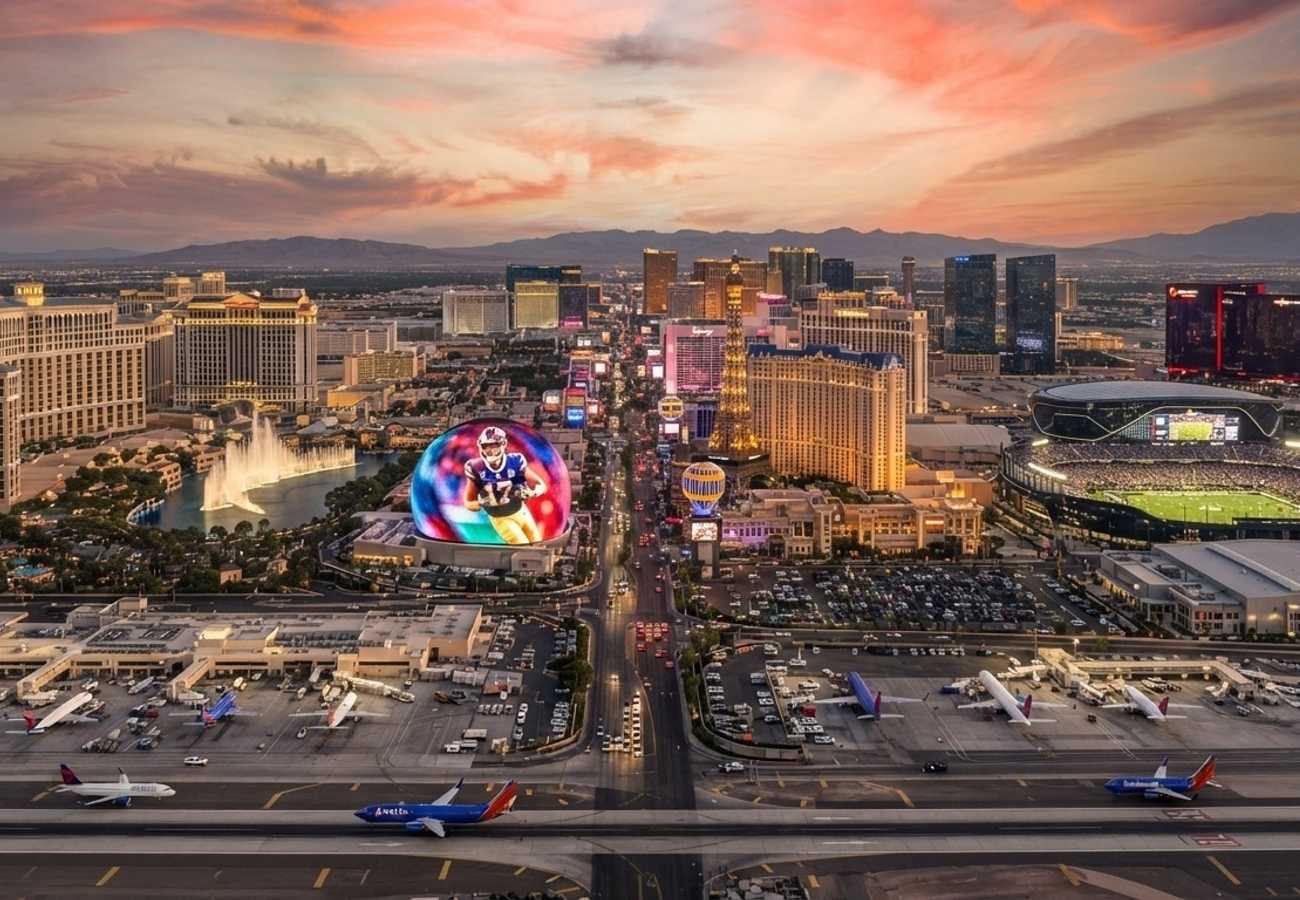
Image generated by AI
Las Vegas is aggressively diversifying its economic engine as rising airfares and hotel costs pressure traditional leisure demand. The city is pivoting from a casino-centric model toward a global sports and convention hub to stabilize visitor numbers.
The Shift in Visitor Dynamics
Las Vegas is currently navigating a transitional phase in its tourism economy. While it remains a premier global destination, the city is facing headwinds driven by macroeconomic pressures. Rising household spending and increased travel costs have led to a shift in how visitors engage with the destination.
Data from the Las Vegas Convention and Visitors Authority (LVCVA) indicates that Las Vegas welcomed approximately 38.5 million visitors in 2025. This figure represents a decline compared to the previous year, signaling a softening in the leisure segment as middle-income travelers shorten their stays or seek more affordable alternatives.
Aviation and Connectivity Impact
The recovery strategy for Southern Nevada relies heavily on the operational efficiency and expansion of Harry Reid International Airport. As the primary gateway, the airport's ability to secure new domestic and international routes is viewed as the most direct lever for increasing arrival numbers.
Our analysis indicates that the city is prioritizing:
- International Diversification: Reducing reliance on the US domestic market by establishing new airline partnerships to attract high-spending global travelers.
- Route Expansion: Increasing the frequency of flights to emerging markets to lower the barrier of entry for cautious travelers.
- Infrastructure Resilience: Managing the impact of extreme desert heat, which affects aircraft performance and ground operations during peak summer months.
Sector Breakdown: Conventions and Sports
While leisure travel has fluctuated, the business and sports sectors have provided a critical economic floor.
Convention Stability LVCVA data confirms that Las Vegas welcomed approximately 6 million convention attendees in 2025. These business travelers provide a consistent revenue stream for hotels and restaurants, offsetting the volatility of the discretionary leisure market.
The Rise of Sports Tourism The city has successfully transitioned into a major sports destination. The integration of professional teams and international championship events has attracted a new demographic of visitors who combine sporting events with high-end dining and immersive experiences.
Passenger Rights & Advisory: Navigating Vegas Travel
For the affected passenger traveling to Las Vegas in 2026, the current economic climate means higher volatility in pricing and potential disruption due to extreme weather.
Rebooking and Compensation Rights If your flight to Harry Reid International Airport is cancelled or significantly delayed:
- US DOT Guidelines: Under current US Department of Transportation rules, passengers are entitled to a full refund if the airline cancels a flight and the passenger chooses not to travel on the alternative offered.
- EU261/2004: For those arriving on international flights from the EU or on EU-based carriers, delays over three hours may entitle the passenger to compensation unless "extraordinary circumstances" (such as extreme weather events affecting aircraft performance) are proven.
- Resort Fee Transparency: Our analysis suggests passengers should scrutinize "resort fees" during booking, as these are separate from base room rates and can significantly impact the total trip cost.
Climate Advisory Travelers should be aware that extreme heat in Nevada can lead to operational delays. We recommend monitoring flight status via FlightAware and ensuring travel insurance covers weather-related disruptions.
Industry Analyst View
The evolution of Las Vegas from a gambling hub to an "Entertainment Capital" is a necessary survival strategy. The success of immersive venues like the Sphere demonstrates that the modern traveler prioritizes "experience" and "emotional connection" over traditional casino gaming.
The long-term viability of the market will depend on the city's ability to balance its premium, luxury offerings with accessibility for the middle-market traveler. If airfare and accommodation costs continue to climb without a corresponding increase in perceived value, the city risks a prolonged stagnation in leisure visitor counts.
The gamble is no longer on the casino floor, but on the city's ability to reinvent its global identity.
Related Travel Guides
Disclaimer
This article is for informational and educational purposes only. It does not constitute legal, financial, or professional advice. While we strive to provide accurate and up-to-date information, travel policies, regulations, and conditions change rapidly. Always verify information with official sources before making travel decisions. Nomad Lawyer makes no representations about the accuracy, reliability, completeness, or suitability of the information provided. Readers should consult qualified professionals for advice specific to their circumstances. The views expressed in this article are those of the author and do not necessarily reflect the views of Nomad Lawyer.
Preeti Gunjan
Contributor & Community Manager
A passionate traveller and community builder. Preeti helps grow the Nomad Lawyer community, fostering engagement and bringing the reader experience to life.
Learn more about our team →