
Kosovo Outbound Travel Surges Following Schengen Visa Liberalisation

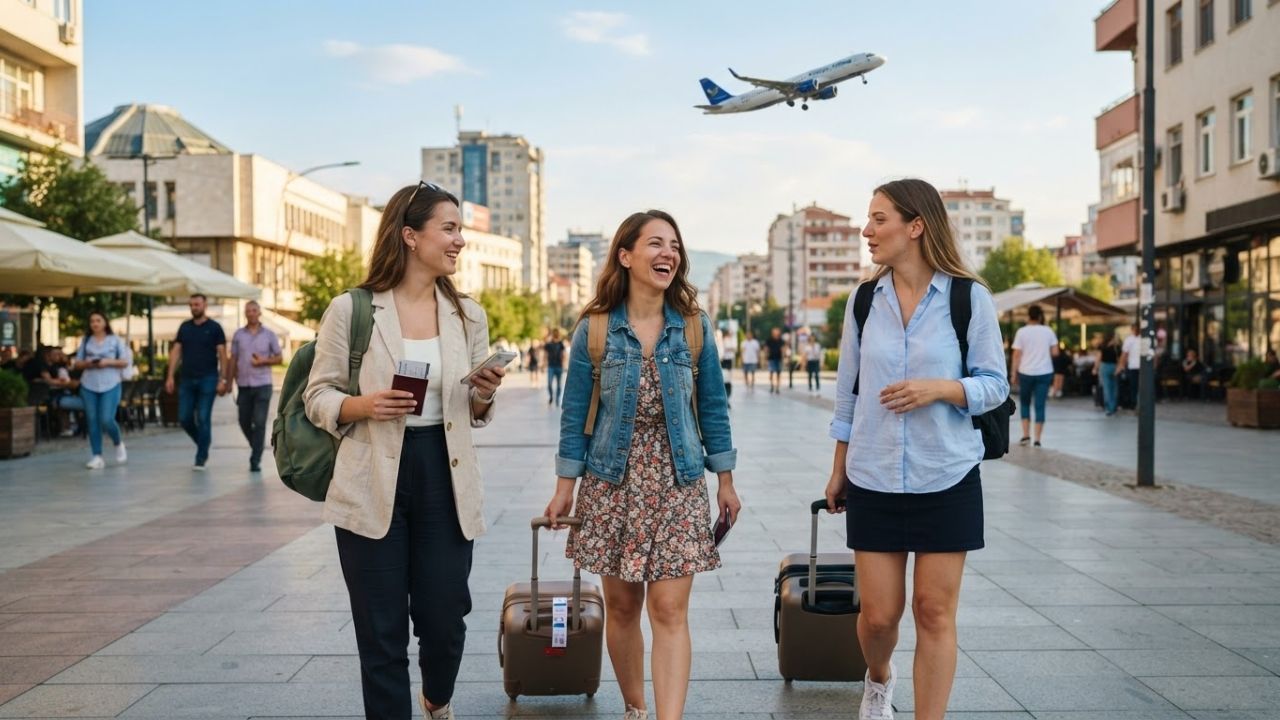
Image generated by AI
Kosovo's outbound tourist expenditure reached €373.52 million during the first quarter of 2026, marking a massive surge in overseas travel following the landmark implementation of visa-free travel to the Schengen zone. The policy change allows citizens holding Kosovo passports to travel freely across European countries for ninety days without visa paperwork, triggering an unprecedented wave of departures from Pristina International Airport Adem Jashari (ANP Adem Jashari).
While economists expect record-breaking numbers across Mediterranean resorts for the summer peak, official figures covering the July reference month will reach public release between late August and September 2026. This delay is due to the mandatory thirty to sixty-day verification lag governed by the Central Bank of the Republic of Kosovo (BQK), which monitors these international money flows alongside the Kosovo Agency of Statistics (ASK) using international accounting frameworks.
The Local Trend: Schengen Access Unleashes Decades of Pent-Up Travel Demand
For years, travelling from Kosovo was defined by a lengthy, expensive, and multi-year paperwork process. The removal of visa barriers has fundamentally reshaped how domestic holidaymakers plan their summer vacations. Rather than being restricted to regional roads, citizens can now book direct flights to destinations across Western Europe, the Mediterranean, and Turkey.
This accessibility has led to a rapid expansion of flight routes out of Pristina. Direct routes to major hubs in Germany, Switzerland, and Austria have seen the highest capacity growth, enabling family reunions and leisure trips that were previously out of reach for many families.
Pristina International Airport Adem Jashari (ANP Adem Jashari) has responded by modernising its security gates and check-in counters to process the increase in departures. Airlines operating out of Pristina have introduced additional frequencies and larger aircraft to accommodate the demand. The expansion of direct flights has also reduced reliance on connecting flights through regional hubs like Istanbul or Vienna, saving passengers travel time and transit expenses.
To manage this shift, domestic monetary regulators track outbound spending through electronic point-of-sale terminal logs provided by Visa and Mastercard networks, alongside direct wire transfers sent to foreign tour agencies and automated teller machine cash withdrawals across foreign cities. This data helps economists understand the sudden outflow of travel capital and its impact on the national account.
Cultural & Environmental Value: Supporting Regional Communities and Diaspora Exchange
For the visitor, the real impact of Kosovo's new travel freedom is the strengthening of cultural and economic ties with neighbouring countries. Coastal Albania remains the primary summer destination for families seeking Mediterranean beach resorts, where shared cultural bonds and short driving distances draw hundreds of thousands of holidaymakers across border checkpoints every July.
Local tourism boards, including the Kosovo Tourism Union, have highlighted the importance of this travel flow in building cross-border partnerships. The exchange extends to cultural heritage institutions, which organize joint exhibitions and events celebrating regional history and traditional crafts. In Albania, local guesthouses and family-run restaurants in coastal villages benefit directly from the seasonal influx of Kosovar travellers, keeping tourism revenues within local communities.
This travel flow supports regional economies in several ways:
- Direct Support for Local Operators: Kosovar tourists contribute significantly to the hospitality, dining, and retail sectors in coastal Albanian towns like Saranda and Durrës, as well as resorts in Montenegro and North Macedonia.
- Cultural Preservation: Tourism exchange between Kosovo and Albania helps preserve shared heritage, traditional culinary practices, and regional historical connections.
- Eco-Tourism and Sustainable Travel: Regional road travel via shared highways reduces the carbon footprint per passenger mile compared to short-haul aviation, supporting sustainable tourism goals in the Western Balkans.
The high outbound spending is balanced by a strong inflow of diaspora capital. Data published by the BQK confirmed that total services credits reached €852.08 million in early 2026. This substantial inflow generated a net services surplus of €478.21 million, proving that inbound diaspora visits successfully defend the national current account against outbound debit growth. This exchange is supported by the Ministry of Industry, Entrepreneurship and Trade, which coordinates with local tourism unions to promote cultural tourism and heritage conservation.
Traditional Gastronomy: Culinary Classics in Key Destinations
Kosovar travellers are exploring diverse food cultures across their top destinations:
- Tave Kosi (Albania): A traditional baked dish of lamb, rice, and a seasoned yogurt sauce flavored with garlic and oregano, popular in central Albania.
- Doner Kebab and Meze (Turkey): Slow-roasted shaved meat served with a variety of small cold dishes, including hummus, eggplant dip, and fresh flatbreads.
- Sausage and Schnitzel (Germany): Classic grilled sausages served with potato salad, sauerkraut, and mustard, reflecting central European comfort food traditions.
- Rosti and Fondue (Switzerland): Grated, fried potatoes served alongside melted cheese dishes, representing Alpine culinary heritage.
- Burek (Balkan Region): Flaky pastry filled with minced meat, spinach, or cheese, eaten across the region as a staple breakfast or street food.
- Tavche Gravche (North Macedonia): White beans baked in a traditional clay pot with dry red pepper and onions, representing Macedonian culinary heritage.
- Cevapi (Montenegro): Grilled minced meat skinless sausages served with flatbread, diced onions, and sour cream, popular along the Adriatic coast.
Visitor Insider Tips: Navigating Pristina Airport and Outbound Travel
To ensure a smooth departure from Kosovo and make the most of visa-free travel, follow these guidelines:
- Arrive Three Hours Before Departure at Pristina Airport: With the surge in passenger volume at ANP Adem Jashari, security check-in queues can be longer than usual during summer peak times.
- Carry Proof of Sufficiency and Return Travel: While visa-free travel allows a ninety-day stay, Schengen border police may request proof of travel insurance, a return ticket, and sufficient financial resources for your stay.
- Check Peak Border Crossing Hours for Albania: If driving to the Albanian coast, travel during early morning or late evening hours to avoid multi-hour queues at the Vermica border checkpoint.
- Use Public Transit Links in Pristina: The airport is connected to central Pristina by regular bus services, providing a low-cost, sustainable alternative to private taxis.
- Verify Currency Rules Before Departure: Ensure you understand the cash carrying limits for international travel; BQK rules require declarations for cash values exceeding €10,000 when crossing borders.
- Pre-Book All-Inclusive Packages Early: For popular destinations like Turkey, booking packages through accredited Kosovo travel agencies ensures stable pricing and guaranteed hotel reservations.
Tourism Outlook: Resilient National Accounts and Cultural Enrichment
The long-term impact of Kosovo's travel liberalisation will be felt across both the national economy and the country's cultural identity. While the outflow of millions of euros each summer represents a debit in the balance of payments, the return of travellers with international experience, business ideas, and cultural perspectives will enrich Kosovo's domestic society.
The BQK's regulatory oversight ensures that the country's financial systems remain stable during periods of high transaction volume. As the visa-free framework matures, local travel agencies are expanding all-inclusive packages to Turkey and Mediterranean destinations, helping passengers plan their spending more predictably.
As the visa-free framework enters its next phase, the Central Bank of the Republic of Kosovo will continue to track transaction logs to assess the long-term impact on national currency reserves. The Kosovo Agency of Statistics will compile quarterly tourism reports following international standards, providing valuable data for policy planning and infrastructure development. The integration of international payment systems will also facilitate seamless financial transactions for Kosovar travellers abroad.
By balancing outbound travel opportunities with targeted investments in domestic tourism infrastructure — such as cultural heritage trails and eco-tourism initiatives — Kosovo aims to build a modern, connected travel sector that supports both international exchange and local economic development.
Related Travel Guides
Balkan Aviation Surge: Former Yugoslavia Passenger Growth
South Korea Surpasses Ten Million Tourists: Cultural Tourism Boom 2026
US Aviation Disruptions: Thousands of Flight Delays and Cancellations
Disclaimer
This article is for informational and educational purposes only. It does not constitute legal, financial, or professional advice. While we strive to provide accurate and up-to-date information, travel policies, regulations, and conditions change rapidly. Always verify information with official sources before making travel decisions. Nomad Lawyer makes no representations about the accuracy, reliability, completeness, or suitability of the information provided. Readers should consult qualified professionals for advice specific to their circumstances. The views expressed in this article are those of the author and do not necessarily reflect the views of Nomad Lawyer.
Raushan Kumar
Founder & Lead Developer
Full-stack developer with 11+ years of experience and a passionate traveller. Raushan built Nomad Lawyer from the ground up with a vision to create the best travel and law experience on the web.
Learn more about our team →