
Korean Air Seoul American Cancellations Disrupt Pacific Routes May 2026
Korean Air, Air Seoul and American Airlines cancel dozens of flights on major routes between South Korea, Guam and the US in May 2026, stranding hundreds of passengers during peak travel season.

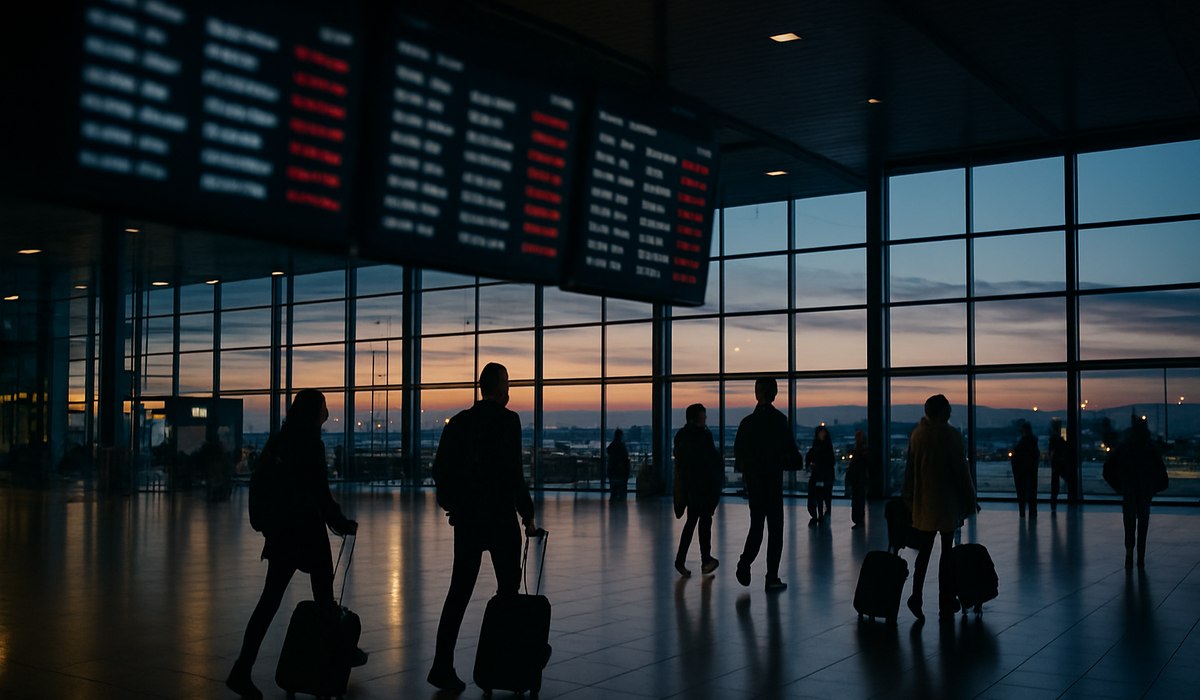
Image generated by AI
Korean Air, Air Seoul and American Airlines Cancel Key International Flights
Korean Air, Air Seoul and American Airlines have suspended more than a dozen flights on critical routes connecting South Korea, Guam and the United States, disrupting travel plans for hundreds of passengers during peak May 2026 holiday season. The cancellations span high-demand leisure and long-haul services between Incheon, Seoul, Busan and major U.S. hubs, with the most severe impacts hitting Guam connections and Dallas Fort Worth transpacific operations. Airlines cite operational constraints, crew imbalances and weather exposure as contributing factors to the recent schedule disruptions affecting this strategically important Asia-Pacific corridor.
Wave of Cancellations Across Three Major Carriers
Recent flight data and passenger reports confirm a concentrated cluster of cancellations impacting services operated or codeshared by Korean Air, Air Seoul and American Airlines. While not representing a system-wide shutdown, the disruption targets high-traffic leisure and international routes, triggering cascading effects across regional connections.
The cancellations primarily affect routes serving mixed passenger demographics—tourists, business professionals and visiting family members—meaning even limited schedule cuts impact hundreds of travelers simultaneously. Airlines have attributed these changes to aircraft utilization constraints, long-haul network weather exposure and ongoing crew shortages. Live schedule data from FlightAware shows last-minute cancellations, rolling delays and equipment swaps replacing standard operations. Affected passengers face missed connections, emergency overnight accommodations near Incheon or Dallas Fort Worth International airports, and rebookings on later flights or competing carriers. Travel forums and social media communities report increased disruption complaints involving at least one of the three carriers.
Guam and Dallas Fort Worth Links Under Pressure
The South Korea-Guam corridor faces particular vulnerability following Air Seoul's relaunch of the Incheon-Guam route in late 2025. Despite initial tourism marketing, Air Seoul's Guam schedule has proven volatile, with multiple flights canceled or rescheduled on short notice through mid-May 2026. Airport data confirms selective rotation cancellations affecting peak holiday travel periods.
Korean Air maintains most scheduled Guam operations from Incheon but contributes to broader disruption through isolated cancellations and equipment changes on specific days. Industry analysis attributes the volatility to tight aircraft utilization and overlapping long-haul commitments limiting operational flexibility. The Guam market remains sensitive to capacity reductions following the Korean Air-Asiana Airlines integration, with regulatory seat limits between South Korea and the island amplifying the impact of single flight cancellations.
Long-haul Dallas Fort Worth-Incheon services jointly marketed by American Airlines and Korean Air have experienced significant pockets of disruption throughout early May. Flight tracking shows multiple days when Dallas-Incheon rotations were canceled or substantially delayed, forcing passenger rebooking onto later departures or alternative Pacific routings. American's customer travel alerts reference flexibility options for mid-May Korean market flights, acknowledging anticipated schedule changes without specifically naming affected routes. Codeshare ticketing complexity means passengers booked through one carrier but scheduled on the partner airline face additional reaccommodation challenges when primary flights are removed.
Most Affected Routes and Passenger Impact
The disruption concentrates on specific high-demand corridors serving leisure and business travelers. Incheon-Guam flights operated by Air Seoul show the highest cancellation frequency, with documented cuts across April and May 2026. Seoul-Busan and Seoul-Jeju domestic services experience secondary impacts from crew repositioning needs following international flight reductions.
Dallas Fort Worth-Incheon services face operational strain from combined weather congestion in North Texas and transpacific scheduling constraints. Multiple cancellations on this route force passengers onto flights 24-48 hours later or onto competitor services, disrupting tight business itineraries. Passengers booked on codeshare flights between American Airlines and Korean Air report extended delays securing confirmed reaccommodation when primary flight cancellations occur.
Busan-based travelers connecting through Seoul Incheon face additional complexity rescheduling onward international connections. The convergence of domestic rebooking needs with international flight limitations creates bottlenecks at Korea's major hubs during peak travel windows.
Current Flight Status and Real-Time Tracking
Travelers should monitor live flight status through FlightAware for minute-by-minute updates on Korean Air, Air Seoul and American Airlines operations. The FAA's flight delay information system provides Dallas Fort Worth and gateway airport status updates affecting transpacific operations. Most airlines are proactively notifying ticketed passengers of confirmed cancellations via email and mobile app notifications, though some rebooking remains manual.
Check your booking confirmation email for carrier-issued travel alerts, as both Korean Air and American Airlines have issued flexibility notices for May 2026 Pacific routes. Air Seoul customers should verify upcoming Incheon-Guam flights directly on their booking with 48 hours advance confirmation recommended.
Passenger Rights and Compensation Options
Travelers affected by these Korean Air Seoul American cancellations maintain rights under applicable aviation regulations. U.S. Department of Transportation rules require domestic and U.S.-operated international flights to offer rebooking on alternative carriers or full refunds. Korean Aviation and Railway Accident Investigation Board guidelines cover Korean-operated services similarly.
The U.S. Department of Transportation provides detailed passenger rights information including compensation eligibility, hotel accommodation coverage and meal voucher entitlements during mandatory overnight stays. Passengers booked on codeshare flights should contact their ticketing airline first for reaccommodation, then escalate to the operating carrier if unsatisfied with rebook options.
Document all expenses including hotel stays, meals and ground transportation during disruptions, as these typically qualify for reimbursement requests. Retain copies of original booking confirmations, boarding passes and receipts for compensation claims filed with either airline.
Traveler Action Checklist
- Check flight status immediately through airline apps or FlightAware for Korean Air, Air Seoul or American Airlines bookings
- Enable notifications on your airline's mobile application for automatic cancellation and delay alerts
- Review airline emails for travel flexibility offers, waived change fees or rebooking options issued in recent days
- Contact your airline's customer service 48 hours before departure to confirm flight operation if status appears uncertain
- Prepare alternative routing options including flights on competing carriers to your destination
- Document all disruption-related expenses including accommodations, meals and ground transportation with dated receipts
- File compensation claims directly with your airline within 30 days of travel with supporting documentation
- Submit formal complaints to U.S. Department of Transportation if compensation claims are denied
What This Means for Travelers
The current disruption on Korean Air Seoul American cancellations routes requires immediate action for ticketed passengers. Travelers should confirm flight operations 48-72 hours before departure rather than assuming schedule stability. Those flexible on dates should consider moving bookings to early June when operations typically normalize post-holiday travel surge.
Business travelers with tight connection requirements should investigate alternative routing through Tokyo, Bangkok or Hong Kong rather than relying on single-carrier Pacific routes currently experiencing delays. Leisure passengers may benefit from booking refundable fares for mid-May departures, accepting the higher cost as disruption insurance given current volatility.
Families planning trips to Guam should contact travel agents immediately about alternative routing, as Air Seoul capacity limitations may worsen through May. Passengers already at originating airports with canceled flights should immediately contact airline customer service for rebooking rather than waiting online, as phone representatives access broader rebook options faster than airport agents during high-disruption periods.
Frequently Asked Questions
Disclaimer
This article is for informational and educational purposes only. It does not constitute legal, financial, or professional advice. While we strive to provide accurate and up-to-date information, travel policies, regulations, and conditions change rapidly. Always verify information with official sources before making travel decisions. Nomad Lawyer makes no representations about the accuracy, reliability, completeness, or suitability of the information provided. Readers should consult qualified professionals for advice specific to their circumstances. The views expressed in this article are those of the author and do not necessarily reflect the views of Nomad Lawyer.
Raushan Kumar
Founder & Lead Developer
Full-stack developer with 11+ years of experience and a passionate traveller. Raushan built Nomad Lawyer from the ground up with a vision to create the best travel and law experience on the web.
Learn more about our team →