
Lake McKenzie Boorangoora Drives Nature Travel Boom Across UNESCO Heritage Site K'gari in Queensland
Lake McKenzie (Boorangoora) on UNESCO World Heritage-listed K'gari in Queensland is drawing global nature travelers with pure rainwater perched lake swimming.

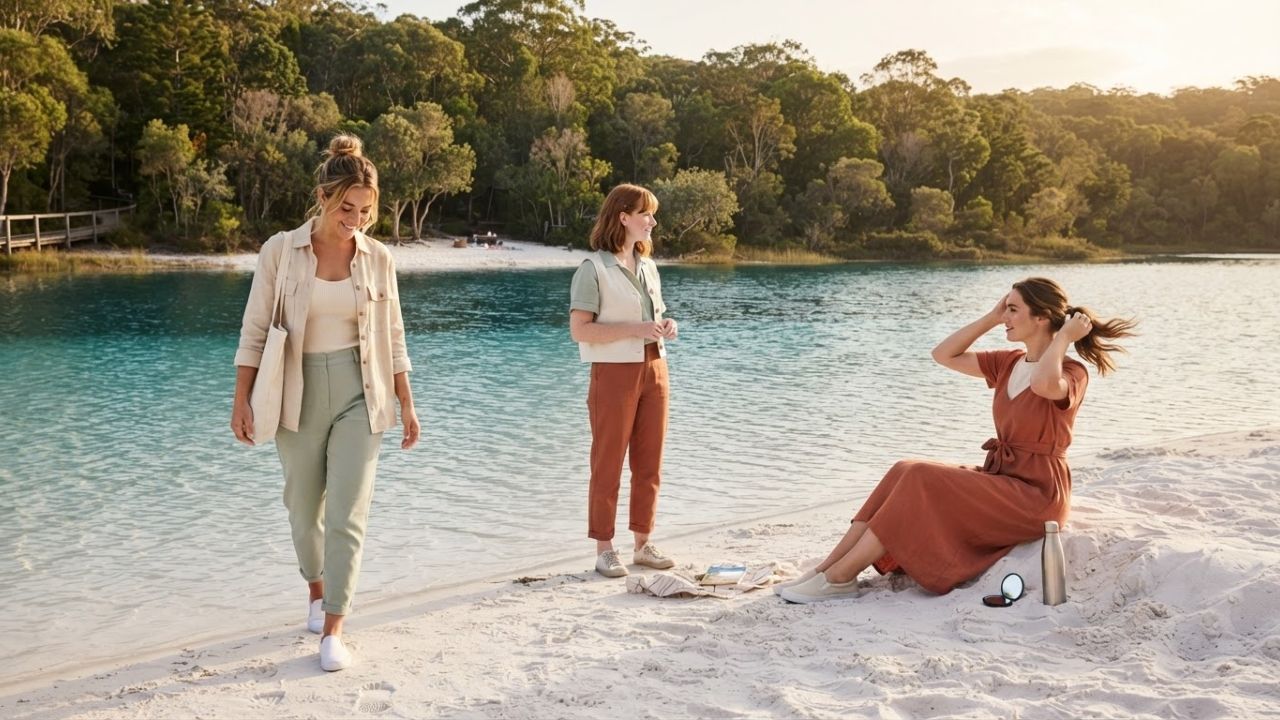
Image generated by AI
Lake McKenzie, known traditionally as Boorangoora, is emerging as Australia’s premier inland freshwater destination, drawing international travelers to the UNESCO World Heritage-listed sand ecosystem of K'gari in Queensland.
FRASER COAST, Australia — International demand for nature-based eco-tourism has positioned Lake McKenzie (Boorangoora) as one of Australia’s most sought-after outdoor destinations. Located entirely within the Great Sandy National Park on K'gari (formerly Fraser Island), the perched freshwater lake attracts long-stay domestic vacationers and international eco-tourists seeking serene swimming spots, pure silica sand beaches, and low-impact wilderness exploration.
| Destination Milestone | Feature & Regulatory Detail |
|---|---|
| Traditional Name | Boorangoora (Traditional Lands of the Butchulla People) |
| Location | K'gari (Fraser Island), Great Sandy National Park, Queensland |
| UNESCO Designation | World Heritage-listed sand island ecosystem |
| Hydrological Type | Perched freshwater lake (filled exclusively by rainwater) |
| Access Method | Four-wheel-drive (4WD) sand tracks or licensed guided tours |
Hydrological Isolation Creates Pure Rainwater Swimming at Boorangoora
Unlike conventional inland lakes connected to rivers or subterranean aquifers, Lake McKenzie is a perched lake holding rainwater above sea level. A layer of compacted organic matter and peat at the base of the sand basin prevents rainwater from draining away into the surrounding sand dunes.
The lake’s crystal-clear blue appearance is produced by pure white silica sand lining the basin. The fine silica grains act as a natural water filtration system, keeping organic matter suspended and maintaining extraordinary water clarity.
| Natural Asset | Environmental Mechanism | Visitor Experience Benefit |
|---|---|---|
| Perched Sand Basin | Compacted peat layer traps rainwater above sea level | Creates an isolated, pure freshwater body |
| Pure Silica Sand | Fine quartz grains act as natural water filters | Keeps water translucent without sediment clouding |
| Zero River Feeds | No oceanic, river, or subterranean water inlets | Prevents agricultural runoff and marine stingers |
| National Park Protection | Managed under Queensland Parks environmental codes | Preserves pristine forest and shoreline habitats |
Off-Road Transit and Park Regulations Shape the K'gari Island Journey
Visiting Lake McKenzie forms part of a broader off-road island itinerary. Because K'gari consists entirely of sand tracks, conventional passenger cars cannot navigate the terrain. Access to the Central Lakes scenic drive—which leads to the Lake McKenzie day-use area—requires high-clearance four-wheel-drive (4WD) vehicles or registered group tour buses.
According to travel advisories issued by the Queensland Parks and Wildlife Service, visitors driving private or rental 4WD vehicles must secure a valid vehicle access permit prior to boarding ferries from Hervey Bay or Rainbow Beach.
| Travel Detail | Operational Information |
|---|---|
| Destination | Lake McKenzie (Boorangoora), K'gari, Queensland |
| Park Governance | Great Sandy National Park (Queensland Parks and Wildlife Service) |
| Transport Requirements | High-clearance 4WD vehicles or accredited commercial tour buses |
| Primary Activities | Freshwater swimming, beach relaxation, photography, nature walks |
| Target Visitor Groups | Families, couples, adventure travelers, and international eco-tourists |
Protecting Indigenous Cultural Heritage and Sensitive Lake Ecosystems
K'gari holds deep cultural significance for the Butchulla people, the traditional custodians of the land. The traditional name Boorangoora translates to "waters of wisdom." Tourism operators and national park rangers work in partnership with Butchulla elders to educate visitors on cultural heritage and environmental stewardship.
To protect the lake’s fragile water chemistry, national park guidelines advise visitors to avoid applying sunscreen, body oils, or insect repellents immediately before swimming, as chemical residues accumulate easily in perched lakes due to the absence of outflowing rivers.
| Conservation Practice | Environmental Rationale |
|---|---|
| Rinse Before Swimming | Prevents sunscreens and personal care chemicals from fouling static rainwater |
| No Food on Shorelines | Protects native dingo populations from human food habituation |
| Pack-In Pack-Out Waste | Maintains zero-litter standards across day-use picnic zones |
| Stick to Marked Paths | Prevents dune erosion along sensitive sand embankments |
Regional Economic Impact Across Queensland’s Fraser Coast
The surge in visitor interest for Lake McKenzie benefits the broader Fraser Coast tourism corridor. International travelers visiting K'gari frequently combine island excursions with whale-watching cruises in Hervey Bay, coastal accommodation stays, and dining across regional towns.
Data from Tourism and Events Queensland indicates that nature-focused destinations generate longer average lengths of stay, providing sustained revenue for local tour operators, 4WD rental agencies, ferry services, and regional hospitality businesses.
| Fraser Coast Industry | Economic & Tourism Contribution |
|---|---|
| 4WD & Tour Operators | Provides guided itineraries, vehicle rentals, and sand driving briefings |
| Ferry Services | Transports vehicles and passengers across Great Sandy Strait corridors |
| Hervey Bay Hospitality | Captures pre- and post-island stay accommodation and dining spending |
| Regional Eco-Guides | Delivers cultural interpretation and wildlife safety briefings for travelers |
Seasonal Travel Planning and Crowd Management Tips
Lake McKenzie is accessible year-round, but visitor density fluctuates depending on school holidays and time of day. Warmer months (October through April) deliver ideal water temperatures for swimming, while cooler months (May through September) offer milder conditions for 4WD driving and bushwalking.
To avoid peak daytime crowds at the main day-use area, experienced travelers recommend arriving early in the morning before commercial tour buses arrive, or late in the afternoon when day-trippers begin returning to coastal resorts.
| Recommended Action | Travel Tip Details |
|---|---|
| Carry Drinking Water | Bring adequate fresh water as day-use areas have limited drinking taps |
| Check Tide Conditions | Verify 75 Mile Beach driving tides before transit to inland tracks |
| Pre-Book Park Permits | Secure vehicle access and camping permits online before departure |
| Respect Dingo Safety | Keep food sealed in lockable containers and stay close to children |
Frequently Asked Questions
Why is Lake McKenzie (Boorangoora) called a perched lake?
Lake McKenzie is a perched lake because it sits above sea level in a sand basin sealed by a natural layer of compacted organic matter and peat, holding pure rainwater without connections to rivers or groundwater.
What permits are required to visit Lake McKenzie on K'gari?
Visitors driving onto K'gari require a vehicle access permit issued by the Queensland Parks and Wildlife Service. Overnight stays require separate national park camping permits.
Can you drive a standard rental car to Lake McKenzie?
No, all roads on K'gari consist of deep sand tracks requiring high-clearance 4WD vehicles. Standard passenger cars and AWD vehicles are strictly prohibited.
What is the cultural significance of K'gari and Lake McKenzie?
K'gari and Lake McKenzie (Boorangoora) are the traditional lands of the Butchulla people. The lake holds deep spiritual importance as a sacred site of wisdom and environmental balance.
Related Travel Guides
Disclaimer
This article is for informational and educational purposes only. It does not constitute legal, financial, or professional advice. While we strive to provide accurate and up-to-date information, travel policies, regulations, and conditions change rapidly. Always verify information with official sources before making travel decisions. Nomad Lawyer makes no representations about the accuracy, reliability, completeness, or suitability of the information provided. Readers should consult qualified professionals for advice specific to their circumstances. The views expressed in this article are those of the author and do not necessarily reflect the views of Nomad Lawyer.
Kunal K Choudhary
Co-Founder & Contributor
A passionate traveller and tech enthusiast. Kunal contributes to the vision and growth of Nomad Lawyer, bringing fresh perspectives and driving the community forward.
Learn more about our team →