
Kazakhstan Tourism Boom: Australian Travelers Shift to Silk Road Routes in 2026
Australian travelers are increasingly bypassing traditional European hubs for Kazakhstan and Central Asia, driven by expanded air connectivity and visa-free entry.

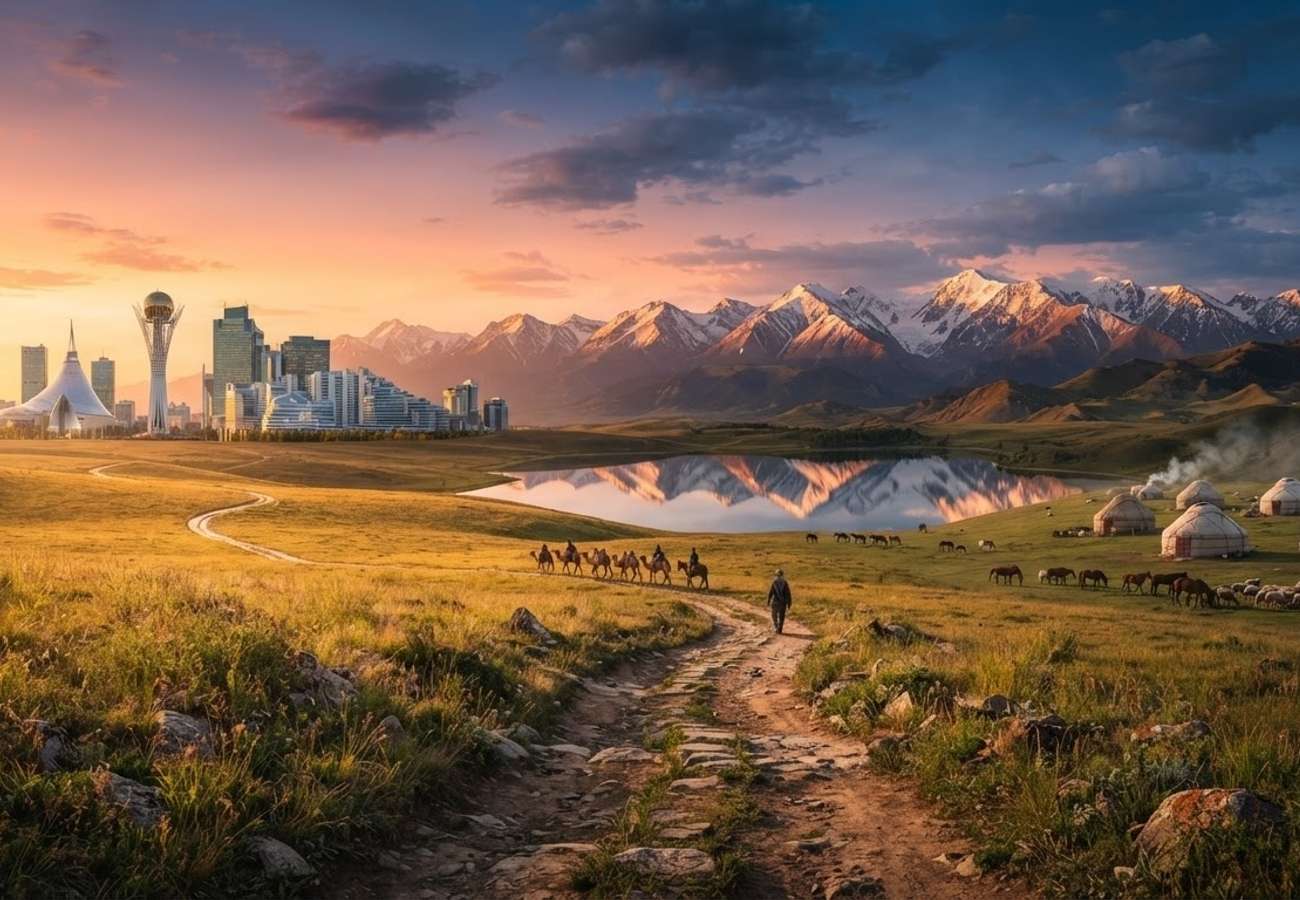
Image generated by AI
Australian travelers are increasingly abandoning over-touristed European capitals in favor of Kazakhstan and the broader Silk Road corridor. This shift is driven by a combination of relaxed visa regimes and strategic aviation partnerships shortening the journey from Australasia.
Central Asia's Transition to Mainstream Tourism
Central Asia is evolving from a niche destination for extreme explorers into a viable mainstream alternative for Australian independent travelers and small-group tour operators. Our analysis indicates that Kazakhstan, Uzbekistan, Kyrgyzstan, Tajikistan, and Turkmenistan are now being marketed as a unified "modern Silk Road corridor."
This transition is supported by a post-pandemic rebound across the "Stans," characterized by new cross-border itineraries and a global demand for culturally immersive, less crowded destinations. Kazakhstan, as the region's largest landmass, now serves as the primary gateway, blending Soviet-era urbanism and futuristic architecture in Astana with the alpine landscapes of the Tian Shan foothills.
Statistical Growth in Kazakhstan's Tourism Sector
Official national data confirms a rapid expansion of the tourism sector, providing the infrastructure necessary to support the influx of long-haul visitors.
- Visitor Volume: In the first three quarters of 2024, inbound foreign visitors more than doubled year-on-year, reaching approximately 11.5 million foreign entries.
- Tourist Growth: Foreign tourist numbers for the first half of 2024 exceeded 560,000, surpassing 2023 figures.
- Economic Impact: Inbound tourism spending reached more than 1.3 trillion tenge in 2024.
- Domestic Market: Internal tourism expenditure climbed past 1.2 trillion tenge, indicating strong internal infrastructure growth.
Regional data for the first nine months of 2024 shows double-digit percentage growth in visitor numbers and revenues across provincial destinations, specifically within national parks, lakes, and ski resorts.
Aviation Connectivity and Access for Australians
While nonstop flights from Australia remain unavailable, flight tracking and industry data show that connectivity has improved through strategic hubs in Asia and the Middle East.
Key Connectivity Drivers:
- Cathay Pacific & Air Astana: A recently expanded codeshare allows passengers from Sydney and Melbourne to connect via Hong Kong to Almaty and Astana on a single ticket.
- Middle East Hubs: Dubai, Abu Dhabi, Doha, and Istanbul remain the primary transit points for those integrating Kazakhstan into wider European or Central Asian itineraries.
- Visa Policy: According to the Australian government’s Smartraveller platform, Australians currently benefit from visa-free entry for short-stay tourism, removing a significant barrier to entry.
Passenger Rights & Advisory: Traveling to Central Asia
For the affected passenger or prospective traveler, navigating a region like Kazakhstan requires a different approach than European travel. Our analysis of current policies suggests the following:
Entry and Documentation While visa-free entry is a competitive advantage, passengers must ensure passports have at least six months of validity. We advise travelers to maintain digital and physical copies of their return tickets and hotel bookings, as these are frequently requested at border crossings between Kazakhstan, Uzbekistan, and Kyrgyzstan.
Flight Disruptions and Compensation Because most Australians will use a combination of carriers (e.g., Cathay Pacific and Air Astana), understanding "single-ticket" vs. "separate-ticket" bookings is vital.
- Single-Ticket (Codeshare): If a delay in Hong Kong causes a missed connection to Almaty, the carrier is generally responsible for rebooking and providing meals/accommodation.
- Separate Tickets: If travelers book legs independently, they have virtually no protection if the first flight is delayed. In such cases, travel insurance specifically covering "missed connections" is mandatory.
Local Law and Security Passengers should monitor the Smartraveller advisory platform. Our analysis suggests that while tourism is encouraged, local laws regarding drones and photography of government buildings are strictly enforced.
Industry Analyst View: The Strategic Pivot
The shift in Australian travel patterns reflects a broader trend toward "authenticity" and "spatial freedom." Industry observers note that travelers are increasingly fatigued by the capacity limits and queues of Southern Europe.
By positioning Kazakhstan as a "soft adventure" destination—combining boutique hotels in Almaty with yurt camps in the steppe—operators are successfully targeting repeat European visitors. This trend is not merely cultural; economists suggest these tourism links are reinforcing emerging diplomatic and trade ties between Australia and Central Asia.
The Silk Road is no longer a historical footnote but a viable 2026 travel alternative for the adventurous Australian.
Related Travel Guides
Disclaimer
This article is for informational and educational purposes only. It does not constitute legal, financial, or professional advice. While we strive to provide accurate and up-to-date information, travel policies, regulations, and conditions change rapidly. Always verify information with official sources before making travel decisions. Nomad Lawyer makes no representations about the accuracy, reliability, completeness, or suitability of the information provided. Readers should consult qualified professionals for advice specific to their circumstances. The views expressed in this article are those of the author and do not necessarily reflect the views of Nomad Lawyer.
Preeti Gunjan
Contributor & Community Manager
A passionate traveller and community builder. Preeti helps grow the Nomad Lawyer community, fostering engagement and bringing the reader experience to life.
Learn more about our team →