
Iceland Dominates 2026 Global Peace Index: Why New Zealand, Switzerland, and Europe Lead World Safety Rankings
The Global Peace Index 2026 reveals Iceland extends its 19-year reign as the world's most peaceful nation. Here's where your next safe destination ranks.

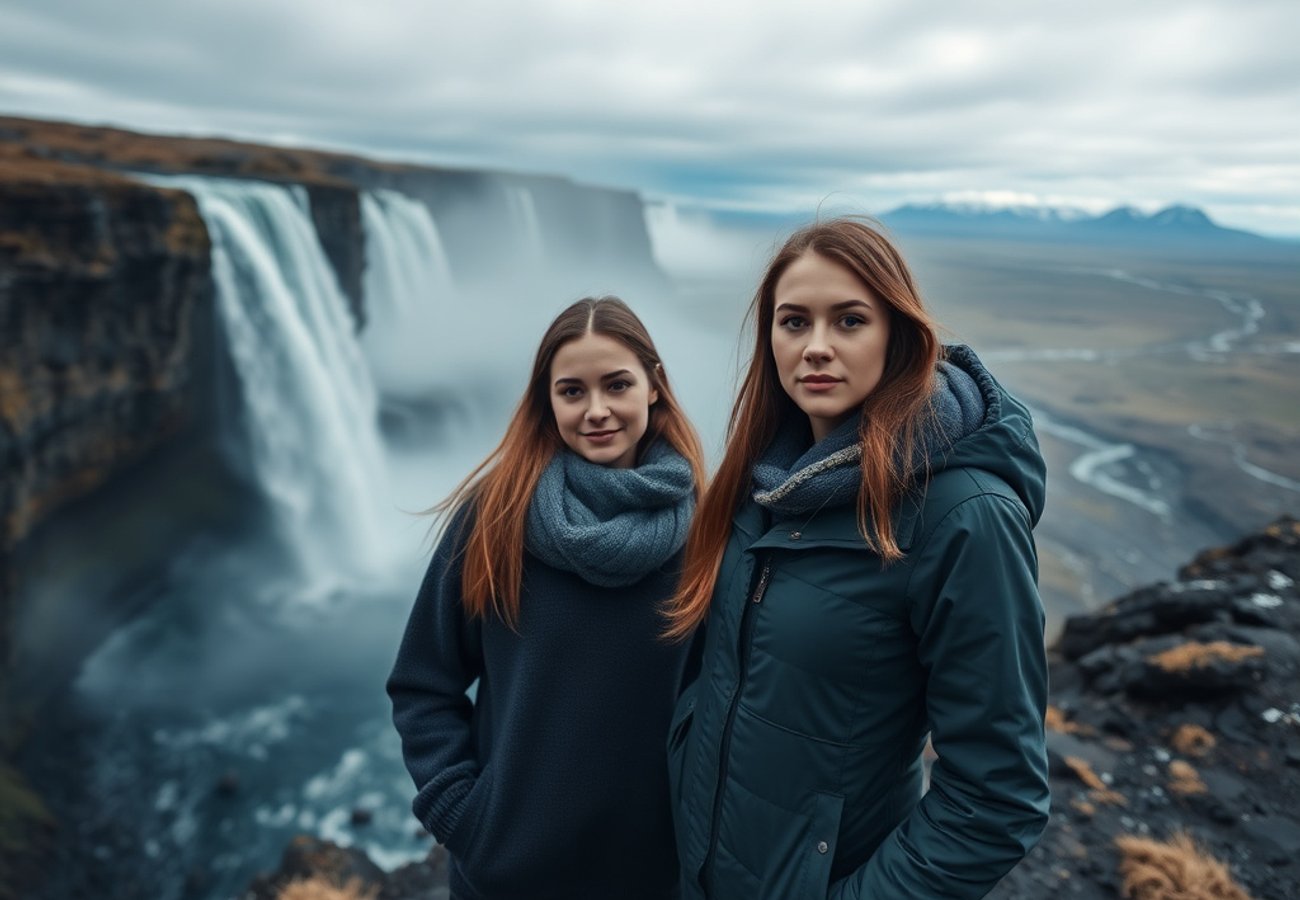
Image generated by AI
Iceland just claimed its nineteenth consecutive title as the world's most peaceful country. But a troubling new report reveals something darker lurking beneath the surface: global peace is collapsing at an alarming rate.
The Institute for Economics & Peace (IEP) released the 2026 Global Peace Index this week, evaluating 163 countries and territories across three critical dimensions: societal safety, domestic and international conflict, and militarization. While the findings spotlight a handful of nations that continue to offer sanctuary from global chaos, the overall picture is grim.
The Alarming Global Trend Nobody's Talking About
The numbers don't lie. Global peacefulness has declined for the 12th consecutive year. Ninety-nine countries slipped backward in peace metrics, while only 62 improved. Most shocking: there are now 61 active state-based conflicts worldwide—the highest number since World War II.
Yet amid this deteriorating landscape, a select group of nations stands firm.
Iceland's Unbreakable 19-Year Streak
Iceland isn't just winning the peace rankings—it's dominating them with no serious competition in sight.
The Nordic island nation's success stems from four structural advantages:
- No standing military apparatus
- Virtually eliminated violent crime
- Extraordinarily high social trust across society
- Robust public institutions with consistent governance
What makes Iceland's achievement truly remarkable is consistency. Since 2008, when the Global Peace Index began tracking nations, Iceland has never once slipped from the top position. Not even once. That's nearly two decades of uninterrupted stability while the rest of the world descended into increasing volatility.
Reddit: "Iceland's peace ranking doesn't surprise me. I spent two months there and never felt unsafe once—not even walking through Reykjavik at 3 AM." — r/travel
Europe's Stranglehold on Global Safety
Seven of the world's ten safest countries are European. Here's the complete top 10 ranking for 2026:
- Iceland
- New Zealand
- Switzerland
- Portugal
- Austria
- Finland
- Slovenia
- Ireland
- Japan
- Singapore
The European dominance reflects stable democratic institutions, robust legal systems, low violent crime rates, and institutional trust that's genuinely earned. But even Europe isn't insulated from the broader deterioration. The report notes that despite occupying the top positions, European nations have experienced slight declines due to regional security concerns and increased defense spending.
How Each Leader Secured Its Position
New Zealand claimed second place globally while earning the Asia-Pacific region's highest ranking. The country improved its militarization score, particularly through reduced weapons imports—a strategic move that paid dividends.
Switzerland maintains its position through legendary political neutrality, dependable institutions, and consistently low crime. Even with slight score adjustments this year, the Swiss system proved its resilience.
Portugal earned recognition for political stability and minimal violence. Its consistent performance across every measured category kept it firmly in the top rankings.
Austria, Finland, and Slovenia each benefited from strong infrastructure and limited conflict histories. Slovenia notably climbed two places after demonstrating stronger performance in societal safety metrics.
Ireland scored particularly well in the conflict category, boasting some of the planet's lowest internal and external conflict levels.
Japan returned to the top 10 after improving its conflict indicators, leveraging efficient public services and excellent public order to maintain Asia's safest reputation.
Singapore remains Southeast Asia's highest-ranked nation, anchored by strong law enforcement and outstanding domestic security.
The Stark Contrast: Where Peace Failed
Not all developed nations performed well. The United States dropped to 134th place out of 163 countries, declining across multiple critical indicators including political instability, violent demonstrations, terrorism impact, and ongoing internal conflict.
Russia ranked dead last.
The message is blunt: economic strength and military power cannot purchase peace. Governance, institutional trust, and social cohesion matter far more than GDP.
Why These Rankings Mean Everything—Beyond Tourism
Most people assume the Global Peace Index exists to help travelers pick safe vacation spots. That's only half the story.
Governments use these rankings to identify institutional weaknesses. Investors consult them before committing capital to markets. Students evaluating study-abroad programs rely on them. Multinational corporations use them to decide where to establish regional operations.
The Index measures something deeper than whether you'll get pickpocketed—it reveals whether a nation has built genuinely stable foundations. Countries ranking high typically demonstrate:
- Decades of institutional consistency
- Public trust in government systems
- Effective conflict resolution mechanisms
- Transparent legal frameworks
- Strong social cohesion
These factors translate directly into better quality of life, more reliable infrastructure, and predictable business environments.
What Changed This Year?
The 2026 report introduces fresh data on regional security concerns, particularly in Europe where rising geopolitical tensions have influenced national security calculus. Defense spending increases across the continent slightly dampened overall peacefulness scores, though the region's fundamental stability remains unshaken.
The report also highlights that militarization remains a critical index component, with countries reducing weapons stockpiles and military expenditures seeing modest improvements in their overall rankings.
Planning Your Next Move?
If you're considering international travel, relocation, or education abroad, these rankings provide invaluable context. The countries topping this list combine political stability with strong public safety and reliable infrastructure—making them genuinely attractive destinations in 2026.
However, remember that the Global Peace Index measures national-level peacefulness, not day-to-day tourist safety. Always consult official travel advisories before making plans. A country's overall peace ranking doesn't eliminate the need for standard traveler precautions.
That said, the 10 nations listed above consistently deliver both institutional stability and visitor security—a combination that's increasingly rare in our fractured world.
What This Tells Us About Our Future
The Global Peace Index's 12-year downward trend is impossible to ignore. We're living through an era of increasing geopolitical fragmentation, resource competition, and conflict escalation.
Yet the persistence of deeply peaceful nations proves one undeniable truth: peace isn't inevitable, but it's achievable. It requires decades of institutional investment, genuine public trust, and leaders committed to stability over short-term advantage.
Iceland, New Zealand, Switzerland, and their peers demonstrate what's possible when nations prioritize social cohesion over militarization, transparency over opacity, and long-term stability over extractive growth.
The world's most peaceful countries aren't lucky—they're methodically built, year after year.
Related Travel Guides
Disclaimer
This article is for informational and educational purposes only. It does not constitute legal, financial, or professional advice. While we strive to provide accurate and up-to-date information, travel policies, regulations, and conditions change rapidly. Always verify information with official sources before making travel decisions. Nomad Lawyer makes no representations about the accuracy, reliability, completeness, or suitability of the information provided. Readers should consult qualified professionals for advice specific to their circumstances. The views expressed in this article are those of the author and do not necessarily reflect the views of Nomad Lawyer.
Preeti Gunjan
Contributor & Community Manager
A passionate traveller and community builder. Preeti helps grow the Nomad Lawyer community, fostering engagement and bringing the reader experience to life.
Learn more about our team →