
Kazakhstan Tourism Boom Lures Australian Travelers to Silk Road Routes in 2026
Australian travelers are bypassing crowded European hubs for Kazakhstan, leveraging visa-free entry and new Silk Road connectivity to explore Almaty, Astana, and Turkistan.

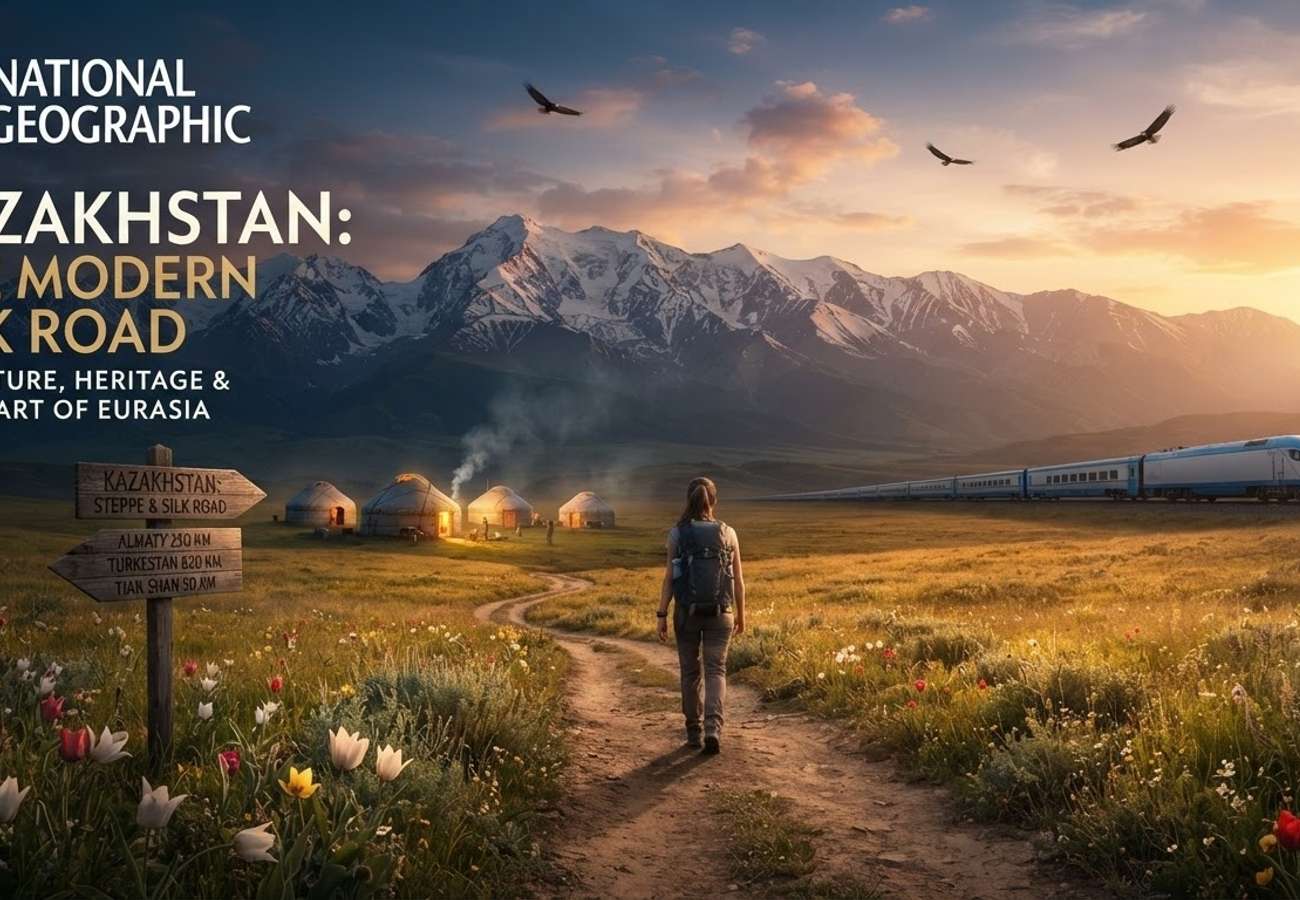
Image generated by AI
Australian travelers are increasingly abandoning saturated European destinations in favor of Kazakhstan, driven by 30-day visa-free access and a surge in integrated Silk Road itineraries.
Central Asia Emerges as Long-Haul Alternative to Europe
Kazakhstan has transitioned from a niche destination to a viable long-haul contender for Australian tourists. This shift is largely a response to high airfares to Western Europe and the implementation of visitor caps in Mediterranean hotspots. Data from Kazakhstan’s national authorities indicates a significant scale of movement, with over 11 million travel trips recorded within the country in 2024.
The growth is centered on a "Modern Silk Road" framework, where travelers combine Kazakhstan with Uzbekistan and Kyrgyzstan. This multi-country approach allows visitors to experience Islamic architecture and nomadic culture without the congestion typical of traditional European circuits.
Transit Hubs and Route Specifications
The current tourism infrastructure is anchored by three primary cities: Almaty, Astana, and Turkistan. Almaty serves as the primary international gateway, while Astana acts as the administrative and transit core. Turkistan has been repositioned as the spiritual capital, specifically targeting those interested in the mausoleum of Khoja Ahmed Yasawi.
Regional carriers have expanded services to link these hubs with neighboring states, specifically creating more fluid connections between Samarkand and Turkistan.
Primary Kazakhstan Transit Nodes (2024-2026 Data)
| City | 2024 Visitor Volume | Primary Role | Key Connectivity |
|---|---|---|---|
| Astana | 1.5 Million | Administrative Hub | National Air/Rail Gateway |
| Almaty | High (Lead Hub) | Cultural/Transport Hub | Tian Shan Mountains & Regional Flights |
| Turkistan | Growing | Spiritual Capital | Link to Samarkand (Uzbekistan) |
Traveler Logistics Guide: Navigating the Silk Road
From a ground-level perspective, the best way to navigate Kazakhstan is to utilize Almaty as your primary entry and exit point due to its superior connectivity to the Tian Shan alpine regions and neighboring Central Asian capitals.
Entry and Visa Policies
Australian passport holders benefit from visa-free entry for stays up to 30 days. To ensure a seamless transit:
- Documentation: Carry a valid passport and ensure you follow local arrival registration procedures.
- Registration: While the visa is waived, local registration is still required. If staying in hotels, the establishment typically handles this; however, independent travelers should verify their registration status to avoid fines.
- Health and Insurance: Comprehensive travel insurance is mandatory for those venturing into the steppe or high-altitude lakes, as medical facilities are limited outside major urban centers.
Optimal Timing and Connections
The continental climate makes timing critical. The shoulder seasons—late spring (May) and early autumn (October)—are the optimal windows for Australian travelers.
For those building a multi-country itinerary, the most efficient sequence is typically: Almaty (Kazakhstan) $\rightarrow$ Bishkek (Kyrgyzstan) $\rightarrow$ Tashkent/Samarkand (Uzbekistan) $\rightarrow$ Turkistan (Kazakhstan).
Infrastructure and Regional Impact Assessment
The influx of international visitors is forcing an acceleration of infrastructure development. While Almaty and Astana offer modern urban comforts, the rural "steppe" regions still face significant gaps in English-language proficiency and transport reliability.
The shift toward Central Asia also highlights an environmental tension. The region is balancing the drive for tourism growth with the need to protect fragile ecosystems, particularly in the wake of 2024 spring flooding in northern and western Kazakhstan and the ongoing ecological legacy of the Aral Sea.
Economically, Kazakhstan remains a high-value destination. On-the-ground costs for accommodation and transport are significantly lower than in Western Europe, allowing budget-conscious retirees and younger adventure travelers to extend their trip durations.
The Silk Road is no longer a relic of history, but a functioning corridor for the modern explorer.
Related Travel Guides
Disclaimer
This article is for informational and educational purposes only. It does not constitute legal, financial, or professional advice. While we strive to provide accurate and up-to-date information, travel policies, regulations, and conditions change rapidly. Always verify information with official sources before making travel decisions. Nomad Lawyer makes no representations about the accuracy, reliability, completeness, or suitability of the information provided. Readers should consult qualified professionals for advice specific to their circumstances. The views expressed in this article are those of the author and do not necessarily reflect the views of Nomad Lawyer.
Kunal K Choudhary
Co-Founder & Contributor
A passionate traveller and tech enthusiast. Kunal contributes to the vision and growth of Nomad Lawyer, bringing fresh perspectives and driving the community forward.
Learn more about our team →