
Kazakhstan Tourism Boom Lures Australians to Silk Road via New Visa and Flight Links 2026
Rising visitor numbers and relaxed visa regimes are driving Australian travelers to swap traditional European destinations for Kazakhstan's emerging Silk Road adventure routes.

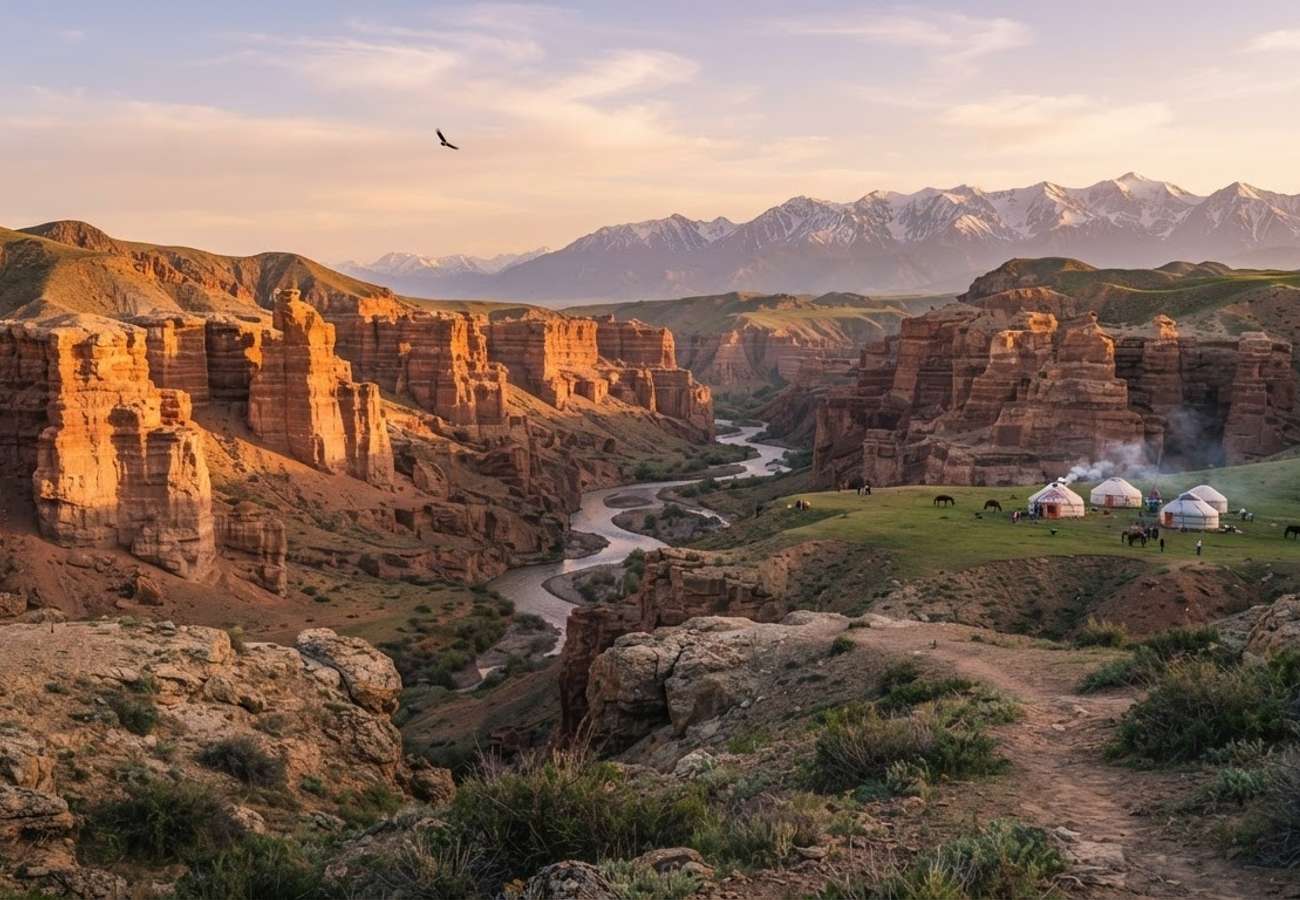
Image generated by AI
Australian travelers are increasingly abandoning traditional European summer hotspots in favor of Kazakhstan, driven by a surge in visitor numbers, streamlined air connectivity, and relaxed entry requirements for Silk Road explorations.
The shift toward Central Asia represents a significant pivot in long-haul travel patterns. While Europe has historically dominated the Australian outbound market, the combination of visa-free access and a growing appetite for "off-the-beaten-path" adventure is positioning Kazakhstan as a primary contender for those seeking alternatives to the crowded Mediterranean coast.
Rapid Expansion of the Kazakhstan Tourism Sector
Recent data indicates that Kazakhstan's tourism industry has entered a phase of aggressive growth. According to national statistics released in 2024, international arrivals have rebounded sharply, with foreign visitor counts now reaching into the tens of millions annually. This surge is mirrored by a robust increase in domestic travel, which surpassed 10 million trips in 2024.
The economic impact is substantial, with the tourism sector expanding at double-digit rates compared to pre-pandemic levels. This growth is most evident in the urban centers of Almaty and Astana, where a combination of new attractions and high-profile events has led to year-on-year increases in both international and local guest numbers.
Kazakhstan's ascent in the World Economic Forum’s Travel and Tourism Development Index further validates this trend. The improved ranking is the result of systemic investments in infrastructure, including the modernization of airports and the construction of better road networks leading to national parks and nature reserves. The country has successfully diversified its offerings, moving beyond basic sightseeing to include high-end ski holidays, professional trekking, and community-based rural tourism.
Streamlined Access and New Flight Corridors for Australians
A primary catalyst for the increase in Australian arrivals is the removal of bureaucratic friction. Kazakhstan currently maintains a visa-free regime for citizens of Australia and New Zealand for short-term stays. This policy significantly lowers the barrier to entry for independent explorers and organized tour groups, reducing both the cost and complexity of trip planning.
While direct flights from Australia to Central Asia remain unavailable, the logistical gap is being closed by optimized one-stop connections. Major global hubs—specifically Singapore, Dubai, Abu Dhabi, and Istanbul—are now aggressively marketing Kazakhstan as a viable add-on or alternative to European itineraries. Through strategic airline partnerships and code-share agreements, Australians can now book single tickets to Almaty and Astana with competitive pricing, particularly during the peak European summer window.
Specialist travel operators in Australia have responded by launching comprehensive Central Asia packages. These itineraries often combine Kazakhstan with neighboring Silk Road nations, offering structured overland journeys from Almaty through the eastern mountains and into historic regional cities.
Industry observers also point to environmental factors influencing this shift. Recurring extreme heatwaves across Southern Europe have made the highland climates of Kazakhstan more attractive. For Australians, the temperate shoulder seasons between May and October provide an ideal window for cultural touring and hiking without the oppressive heat found in traditional Mediterranean destinations.
The Silk Road Brand and Adventure Tourism
The strategic rebranding of Kazakhstan as a gateway to the historic Silk Road has successfully captured the imagination of the Australian market. Marketing efforts now position the country as the primary link between the Mediterranean and China, blending ancient history with modern urbanity.
Current itineraries for Australian visitors typically balance the Soviet-era architecture and vibrant café culture of Almaty with rugged excursions into the wilderness. High-demand destinations include:
- Charyn Canyon: Known for its striking geological formations.
- Tian Shan Foothills: A hub for alpine trekking and trail running.
- Alpine Lake Districts: Popular for photography and remote nature stays.
These programs emphasize "active holidays," pairing physical activity with authentic cultural immersion, such as staying in rural guesthouses or traditional yurt camps. Cultural touring has expanded to include rail and road transfers to ancient mausoleums, caravanserai ruins, and mosques. Visitors are increasingly encouraged to engage with nomadic heritage through craft workshops focusing on textiles and metalwork, as well as sampling traditional cuisine based on horse, lamb, and fermented dairy.
Neo Nomad Visas and the Rise of Remote Work
Beyond short-term tourism, Kazakhstan is implementing policies to attract long-term foreign residents. The introduction of the "Neo Nomad" visa concept is specifically designed to lure digital entrepreneurs, creatives, and remote professionals. This initiative allows foreign workers to base themselves in Kazakhstan while maintaining employment with overseas clients.
This policy aligns perfectly with the flexible work culture prevalent in Australia. In Almaty and Astana, the growth of tech parks, co-working hubs, and creative districts provides the necessary infrastructure for mid-term stays. This allows "workationers" to combine their professional obligations with weekend excursions into the steppe or along the Silk Road corridor.
Government policy documents indicate a broader ambition to integrate tourism more deeply into the national GDP. Beyond leisure, officials are targeting educational exchanges, international conference travel, sports training camps, and film production to ensure repeat visits from Australian institutions.
Infrastructure Gaps and Environmental Hurdles
Despite the upward trajectory, Kazakhstan faces specific challenges in competing with the polished infrastructure of Europe. Travel advisories continue to highlight the vast distances and unpredictable weather patterns that can complicate travel. Outside of the major metropolitan hubs, tourism infrastructure remains basic, which can be a deterrent for some luxury-seeking travelers.
Language barriers also persist, particularly in rural provinces where English proficiency is low. Consequently, many Australian travelers still opt for escorted group tours to handle translation and the complexities of border crossings and internal logistics.
There is also a growing concern regarding the environmental impact of increased tourism. The rise in overlanding and hiking has put pressure on fragile alpine and desert ecosystems, leading to issues with trail erosion and waste management. In response, industry associations are now prioritizing sustainability standards and visitor education to ensure the Silk Road routes remain preserved for future generations.
As Kazakhstan continues to lower entry barriers and modernize its infrastructure, it is well-positioned to capture a growing segment of the Australian market seeking authenticity over luxury.
Related Travel Guides
Disclaimer
This article is for informational and educational purposes only. It does not constitute legal, financial, or professional advice. While we strive to provide accurate and up-to-date information, travel policies, regulations, and conditions change rapidly. Always verify information with official sources before making travel decisions. Nomad Lawyer makes no representations about the accuracy, reliability, completeness, or suitability of the information provided. Readers should consult qualified professionals for advice specific to their circumstances. The views expressed in this article are those of the author and do not necessarily reflect the views of Nomad Lawyer.
Raushan Kumar
Founder & Lead Developer
Full-stack developer with 11+ years of experience and a passionate traveller. Raushan built Nomad Lawyer from the ground up with a vision to create the best travel and law experience on the web.
Learn more about our team →