
The Post-Disaster Tourism Paradox: How Kauaʻi and Hawaii's Outer Islands Navigate Hurricane Lowell's Fallout

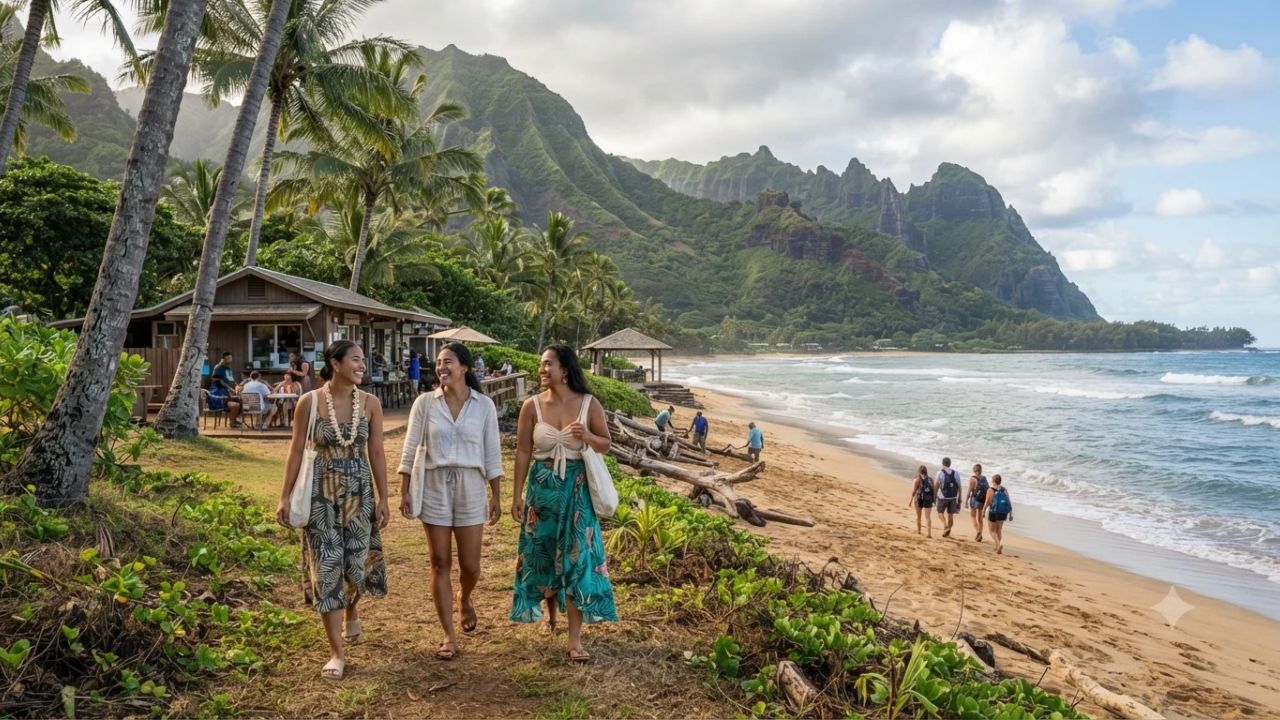
Blacking out electrical power across 90% of households and businesses and leaving more than 3,000 properties without utility service well into restoration operations, Hurricane Lowell has forced Kauaʻi into Hawaii's most intricate post-disaster economic dilemma. While the tropical system swept across the archipelago, damaging critical maritime freight infrastructure on Lānaʻi and renewing psychological vulnerabilities on wildfire-recovering Maui, Kauaʻi absorbed the most concentrated storm surge, mudslides, and structural damage, severely disrupting its primary economic lifeblood: the leisure visitor economy.
The aftermath of Hurricane Lowell exposes a recurring crisis for remote island economies: the dangerous pivot between telling tourists to stay away during initial emergency triage, and begging them to return weeks later to prevent widespread business insolvencies. In the immediate wake of the storm, municipal emergency declarations prompted hoteliers and local leaders to urge incoming travelers to postpone non-essential trips to conserve potable water, diesel fuel, and emergency medical bandwidth. Yet as arterial highways cleared and power was progressively restored, the economic reality emerged: without visitor dollars flowing into small businesses, family food trucks, and local excursion operators, the island faces a secondary economic disaster.
The Disaster Dilemma: Reconciling Emergency Recovery with Economic Starvation
The friction between disaster recovery and tourism dependency is particularly acute on the Garden Isle. Unlike Oʻahu, which commands a diversified economic base anchored by military commands, state government, and international financial institutions, Kauaʻi relies on tourism to generate the vast majority of private-sector employment and county tax revenues. When visitor spending stops abruptly, local businesses with thin cash buffers face immediate existential threats.
During the initial emergency response, community groups and mobile operators stepped up to provide mutual aid. A prominent local symbol, The Musubi Truck, mobilized to feed displaced residents and emergency linemen during the peak of the blackout. However, as the visitor drought dragged on, even community-focused small businesses were forced to slash employee shifts, reduce operating hours, and absorb mounting food spoilage losses from supply-chain interruptions.
Recognizing the danger of protracted tourism avoidance, the Hawaiʻi Tourism Authority and the County of Kauai adjusted their public guidance. Rather than imposing Blanket travel bans, authorities are advocating for conscious, responsible travel. Visitors are actively encouraged to return, provided they practice patience, confirm resort operational status, avoid active repair corridors, and patronize independent, locally owned businesses that depend on frontline tourist expenditure to finance repairs.
Island-by-Island Disruption Audit: From Grid Collapses to Harbor Closures
The geographic impact of Hurricane Lowell varied significantly across the Hawaiian archipelago, generating distinct logistical hurdles for each island community:
| Island Entity | Storm Impact Severity | Primary Infrastructure Vulnerability | Operational Tourism Status |
|---|---|---|---|
| Kauaʻi | Severe (Direct Hit) | 90% initial grid blackout; >3,000 properties offline; road washouts | Open with caution; visitors urged to patronize local businesses |
| Lānaʻi | Moderate / Supply-Critical | Sole commercial cargo harbor disabled; ~2-week repair timeline | Severe supply constraints; resort provisioning bottlenecks |
| Maui | Moderate (Compounded) | Psychological & operational sensitivity following 2023 Lahaina fire | Fully operational; fragile visitor confidence requires support |
| Hawaiʻi Island (Big Island) | Minor / Peripheral | Localized wind squalls; minimal structural impact | Unrestricted; standard tourism operations uninterrupted |
| Oʻahu | Minimal / Isolated | Minor squalls; Honolulu (HNL) international hub operational | Unrestricted; functioning as the state's logistical clearinghouse |
While Kauaʻi battled electrical grid restoration, Lānaʻi faced an acute maritime supply emergency. Hurricane Lowell damaged the island's sole commercial cargo harbor, rendering it temporarily unusable. For an isolated community of approximately 3,300 residents and several luxury resort enclaves, the harbor serves as the exclusive lifeline for containerized groceries, vehicle fuel, and building supplies. With maritime engineering teams estimating two weeks to complete emergency pier repairs, resort operations had to scramble for expensive air freight alternatives to keep dining rooms provisioned.
On Maui, the storm did not inflict catastrophic structural damage, but it struck an economy already navigating the delicate recovery from the devastating 2023 Lahaina wildfire. Having spent over two years rebuilding visitor confidence across West Maui, hoteliers and tour operators experienced another round of precautionary booking cancellations from travelers who mistakenly assumed the entire island chain had been flattened. In sharp contrast, Oʻahu and Hawaii Island remained largely insulated from structural damage, sustaining normal flight operations through Honolulu International Airport.
Expert Analysis: Supply Chain Fragility, Force Majeure Hospitality, and the Re-Opening Pivot
From an aviation, hospitality finance, and travel law perspective, natural disasters in island destinations introduce severe force majeure disputes and consumer protection headaches. When severe storms strike, travelers holding non-refundable reservations find themselves caught between contractual hotel cancellation penalties and official advisories discouraging travel.
The pricing pressure this creates means independent vacation rental operators and boutique resorts face devastating cash-flow squeezes. Larger global resort chains can absorb short-term booking cancellations through corporate business interruption insurance policies. Independent operators, however, rely on rolling deposit cash flows to meet payroll, mortgage obligations, and commercial utility bills. When travelers cancel en masse, local operators are forced to introduce aggressive post-storm discounts to attract spontaneous regional travelers, depressing island-wide average daily rates (ADR) for months.
For travelers booking this route, the direct consequence is that post-disaster island journeys require heightened logistical vigilance and flexible travel insurance policies that include explicit "cancel for any reason" (CFAR) riders. While major resort corridors in Poʻipū and Princeville often restore private backup generators within forty-eight hours of a storm, off-resort activities—such as hiking trails in Kōkeʻe State Park or kayaking along the Wailua River—remain closed for weeks due to fallen debris and flash-flood runoff monitored by the National Weather Service (NWS).
Additionally, ethical travel in the post-Lowell environment requires a paradigm shift away from extractive tourism toward regenerative participation. When visitors return to Kauaʻi, spending money at roadside fruit stands, neighborhood diners, and indigenous cultural tours directly accelerates community rebuilding. By respecting active repair crews, honoring local road closures, and traveling with cultural mindfulness, visitors provide the essential capital that allows Hawaii’s most fragile island communities to rebuild on their own terms.
Key Takeaways
- Kauaʻi confronts severe utility and road recovery: Initial electrical failures knocked out power to 90% of the island, with over 3,000 accounts remaining offline during subsequent recovery stages.
- Lānaʻi cargo harbor disabled for two weeks: Damage to Lānaʻi’s single commercial harbor cut off maritime supply chains for 3,300 residents, forcing costly air-freight workarounds.
- Tourism messaging shifts from delay to responsible return: Local businesses and tourism authorities are actively encouraging travelers to return with patience to prevent small-business insolvencies.
- Maui manages compounded post-disaster sensitivity: Lowell’s passage renewed travel hesitancy across Maui, highlighting the lingering vulnerability of markets recovering from the 2023 Lahaina wildfire.
- Travel insurance protection is mandatory: Travelers heading to island environments during hurricane season must secure comprehensive coverage to manage sudden force majeure disruptions and power outages.
FAQ: Traveling to Kauaʻi and Hawaii After Hurricane Lowell 2026
Is Kauaʻi open for international and domestic leisure visitors?
Yes. Kauaʻi is open and welcoming visitors. Travelers are advised to confirm lodging reservations in advance, respect ongoing utility repair operations, and avoid restricted wilderness areas.
How did Hurricane Lowell affect cargo supplies on Lānaʻi?
The storm damaged Lānaʻi’s sole commercial cargo harbor, rendering it temporarily unusable for approximately two weeks and forcing residents and resorts to rely on emergency air shipments.
Did Hurricane Lowell disrupt flights into Honolulu or Maui?
No. Flight operations into Honolulu (Oʻahu) and Kahului (Maui) remained largely operational with minimal weather delays, though travelers should monitor regional inter-island flight schedules.
How can tourists help Kauaʻi recover from storm damage?
Visitors can best support recovery by spending money directly with locally owned small businesses, eating at independent restaurants, purchasing local groceries, and tipping frontline service workers generously.
True resilience in paradise is not the absence of storms, but a community’s ability to turn disaster into a renewed model of responsible hospitality.
Related Travel Guides
Disclaimer
This article is for informational and educational purposes only. It does not constitute legal, financial, or professional advice. While we strive to provide accurate and up-to-date information, travel policies, regulations, and conditions change rapidly. Always verify information with official sources before making travel decisions. Nomad Lawyer makes no representations about the accuracy, reliability, completeness, or suitability of the information provided. Readers should consult qualified professionals for advice specific to their circumstances. The views expressed in this article are those of the author and do not necessarily reflect the views of Nomad Lawyer.
Raushan Kumar
Founder & Lead Developer
Full-stack developer with 11+ years of experience and a passionate traveller. Raushan built Nomad Lawyer from the ground up with a vision to create the best travel and law experience on the web.
Learn more about our team →