
Kanchenjunga Base Camp Trekking Nepal Guide
The Kanchenjunga Conservation Area offers a remote, high-altitude trekking circuit in Eastern Nepal. Learn about trails, elevations, permits, and guides.

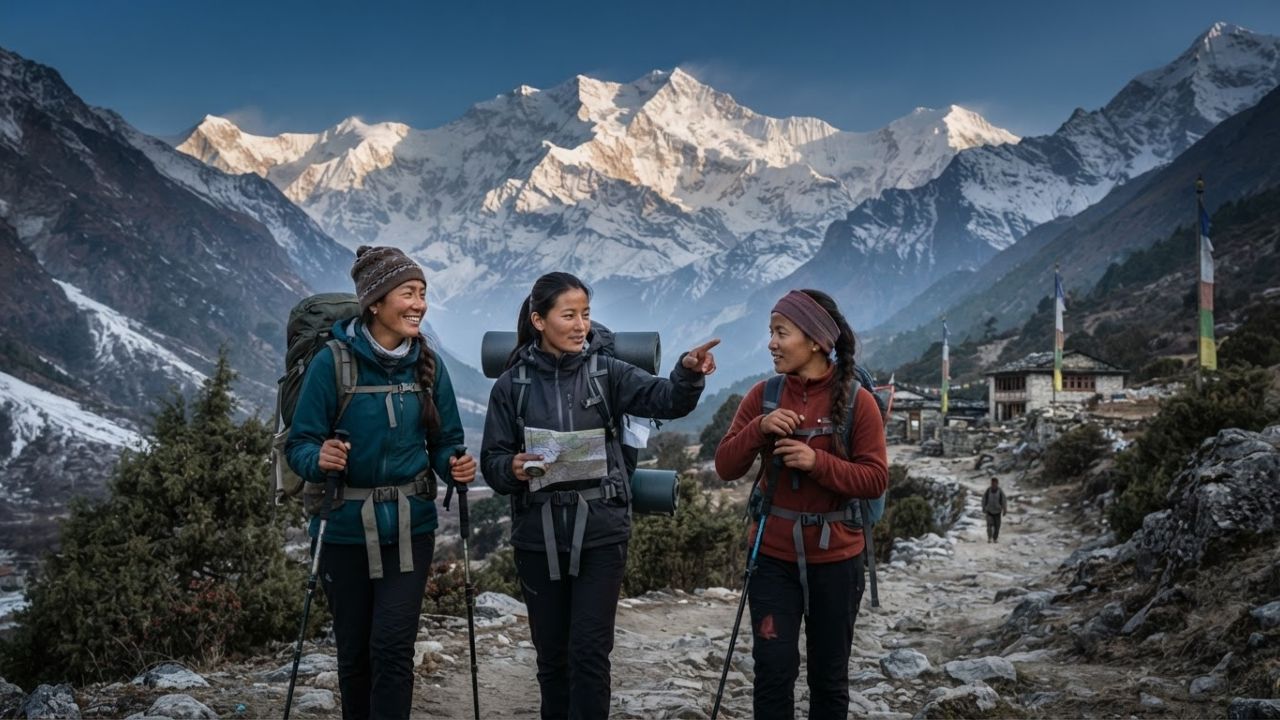
Image generated by AI
Trekking through the Kanchenjunga Conservation Area has emerged on August 15, 2026, as Nepal's premier high-altitude eco-tourism route, offering experienced hikers a remote alternative to overcrowded commercial valleys.
Typically unfolding over a duration of 18 to 22 days for the full circuit, the route provides sweeping views of Mt. Kanchenjunga, the third-highest peak on Earth at 8,586 meters. The journey guides travelers through isolated mountain borderlands adjacent to Sikkim, India, and Tibet, showcasing pristine alpine ecosystems and traditional cultural settlements. Due to the high altitude and challenging trails, solo hiking is strictly prohibited, requiring a minimum group size of 2 individuals accompanied by a licensed local guide. By choosing this demanding circuit, trekkers support regional self-reliance while helping preserve the fragile biodiversity of eastern Nepal.
The growing interest in remote Himalayan trekking reflects a shift in global adventure tourism, where travelers seek untouched wilderness over mass-tourism hubs. This low-impact approach is designed to prevent environmental degradation while funneling tourism revenue directly to rural communities. The Kanchenjunga circuit demands rigorous preparation, with hikers spending up to three weeks navigating high passes, rocky glaciers, and steep ridges. For those with the necessary physical stamina and respect for local traditions, this journey offers an authentic adventure in one of the most secluded regions of the Himalayas.
High-Altitude Adventure Tourism Shift in the Kanchenjunga Conservation Area
The expansion of trekking routes within the Kanchenjunga Conservation Area addresses a critical challenge facing the global adventure travel sector: managing environmental strain in popular mountain destinations. As classic routes like Everest Base Camp experience heavy congestion, the commercial appeal of eastern Nepal’s remote valleys has grown. According to reports, experienced hikers are increasingly willing to invest time and capital in expeditions that offer natural solitude and strict ecological protection. This development serves as a model for sustainable, high-value tourism in fragile alpine environments.
To illustrate the key metrics and logistics of the Kanchenjunga expedition, the following table summarizes the primary route details and administrative requirements:
| Operational Parameter | Specific Metric & Altitude | Required Permits & Regional Guidelines |
|---|---|---|
| Mt. Kanchenjunga Elevation | 8,586 meters | Bordered by Sikkim, India, and Tibet in Eastern Nepal |
| North Base Camp (Pangpema) | 5,143 meters | Primary high-altitude viewpoint on the northern ascent |
| South Base Camp (Oktang) | 4,730 meters | Southern vantage point overlooking regional glaciers |
| High Alpine Passes | Sele La (4,290m), Mirgin La (4,480m) | Challenging mountain crossings connecting the dual circuits |
| Expedition Duration | 18 to 22 days (Circuit), 14 to 16 days (North) | Requires sustained daily walking of 6 to 8 hours |
| Mandatory Group Size | Minimum of 2 individuals | Must be accompanied by a licensed local mountain guide |
| Required Permissions | RAP and KCAP permits | Restricted Area and Conservation permits are legally mandatory |
Technical Demands and Regional Economic Value of Long-Distance Himalayan Journeys
Navigating the Kanchenjunga circuit requires a high level of physical fitness and thorough logistical planning. Daily itineraries involve continuous trekking for 6 to 8 hours across unpaved, steep, and unpredictable terrain. The journey reaches its highest point at Pangpema at 5,143 meters, requiring a disciplined approach to gradual acclimatization to prevent high-altitude illness. Expedition operators conduct pre-trip health screenings to ensure participants are prepared for the demanding conditions, which are classified by experts as highly challenging.
The economic impact of these multi-week journeys is highly beneficial to the isolated communities of eastern Nepal. Because trekkers remain in the region for nearly three weeks, local teahouses, porters, and small-scale suppliers receive a steady, reliable source of income. By purchasing local agricultural products and employing regional guides, international visitors help diversify rural economies. This sustainable model ensures that tourism dollars directly support the families who live along the trail, rather than being concentrated in large urban agencies.
Exploring Dual Base Camps Wild Biodiversity and Traditional Mountain Heritage
A key highlight of this expedition is the rare opportunity to visit both the North and South Base Camps of Kanchenjunga within a single continuous circuit. Trekkers cross demanding high-altitude passes, including the Sele La Pass at 4,290 meters and the Mirgin La Pass at 4,480 meters, connecting different valley systems. The route traverses the protected conservation area, home to endangered wildlife species such as the Red Panda, Snow Leopard, and Himalayan Blue Sheep, highlighting the ecological significance of the reserve.
In addition to the natural environment, hikers experience deep cultural immersion by visiting isolated settlements inhabited by Sherpa, Tibetan, Limbu, and Rai communities. These villages preserve ancient Buddhist monasteries and traditional lifestyles, offering a contrast to more commercialized trekking zones. The demand for peaceful, pristine hiking corridors has led operators to emphasize low-impact cultural travel. By promoting authentic indigenous heritage and strict environmental preservation, local communities can maintain their traditions while generating fair-trade tourism revenue.
Complex Operational Logistics and Strict Border Permits for Border Regions
The logistical journey starts with a domestic flight from Kathmandu to the southern plains of Bhadrapur, followed by ground transportation to the trailheads at Taplejung or Sekathum. The northern trail leads hikers through remote hamlets such as Amjilosa, Gyabla, Ghunsa, Khambachen, and Lhonak, before reaching the high pastures of Pangpema. After exploring the north face, the route crosses the Sele La Pass to the southern side, descending via Oktang, Tortong, and Yamphudin back to Taplejung. This complex multi-stage itinerary requires coordination with local support crews to manage supply transport and safety across extreme terrains.
Due to the proximity to international borders, government authorities classify this region as a protected zone. Every hiker must legally obtain a Restricted Area Permit (RAP) and a Kanchenjunga Conservation Area Permit (KCAP). Solo travel is strictly prohibited, and visitors must trek in groups of at least two, accompanied by a certified local guide. These safety policies minimize emergencies, protect international visitors, and ensure that tourism expenditures support local livelihoods in the borderlands.
Why This Matters (Information Gain & Experience)
For the traveler, this means that the Kanchenjunga circuit represents one of the few remaining opportunities to experience the Himalayas in their natural, uncommercialized state. Visiting during the optimal spring (March to May) or autumn (October to November) windows allows hikers to witness pristine alpine ecology and clear mountain views far from the crowds of popular trekking highways. From a logistical standpoint, the mandatory group size and guide regulations ensure that safety protocols are strictly maintained, providing travelers with experienced local support to navigate challenging high-altitude passes.
Additionally, staying in community-run teahouses and sampling local specialties like tongba (fermented millet drink) and dal bhat provides a direct connection to the cultural heritage of the Rai and Sherpa communities. By choosing this low-impact route, travelers participate in ethical adventure tourism that preserves the natural habitat of the Red Panda and supports the economic self-sufficiency of remote border villages. It offers a meaningful journey that prioritizes environmental stewardship, cultural respect, and personal resilience.
Related Travel Guides
Disclaimer
This article is for informational and educational purposes only. It does not constitute legal, financial, or professional advice. While we strive to provide accurate and up-to-date information, travel policies, regulations, and conditions change rapidly. Always verify information with official sources before making travel decisions. Nomad Lawyer makes no representations about the accuracy, reliability, completeness, or suitability of the information provided. Readers should consult qualified professionals for advice specific to their circumstances. The views expressed in this article are those of the author and do not necessarily reflect the views of Nomad Lawyer.
Raushan Kumar
Founder & Lead Developer
Full-stack developer with 11+ years of experience and a passionate traveller. Raushan built Nomad Lawyer from the ground up with a vision to create the best travel and law experience on the web.
Learn more about our team →