
Chebera Churchura National Park Ethiopia Eco-Tourism
Ethiopia's Chebera Churchura National Park preserves its pristine wilderness, protecting elephant herds, crater lakes, and hot springs. Read updates.

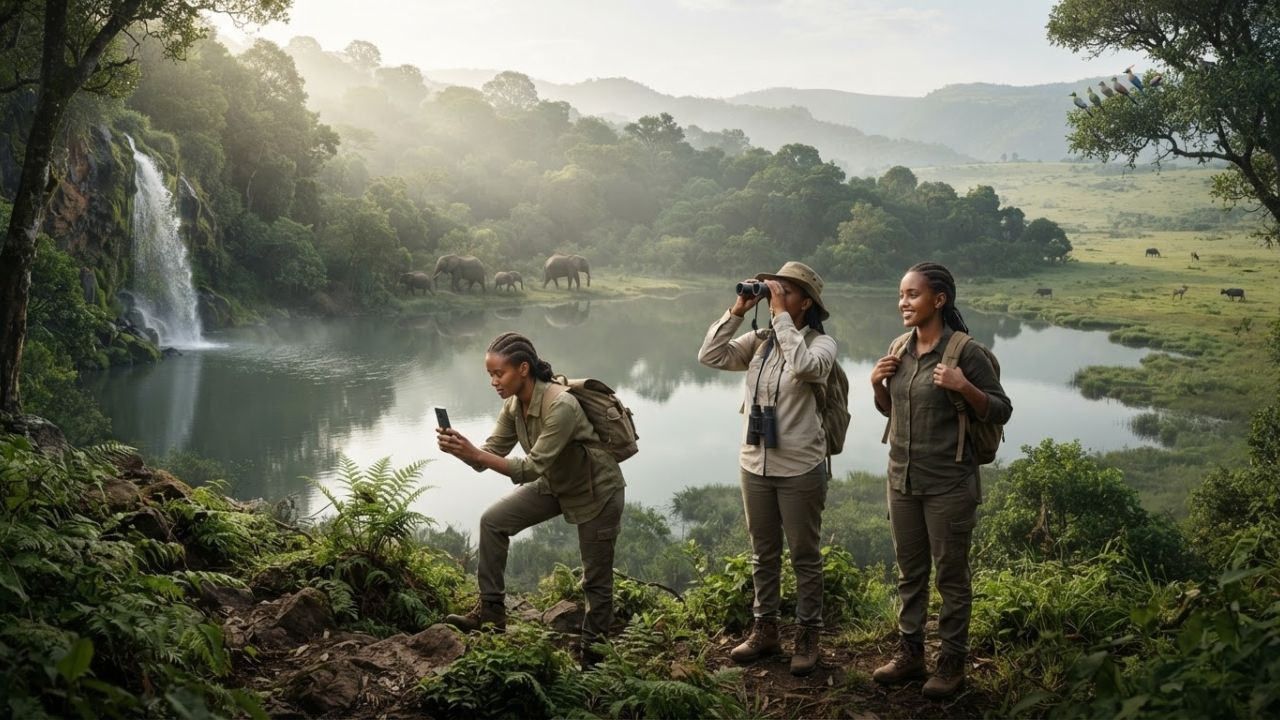
Image generated by AI
Located in the remote southwestern highlands of Ethiopia, situated between the Dawro and Konta zones, Chebera Churchura National Park stands on August 15, 2026, as one of the most pristine and untouched protected natural areas in the country.
The park offers a unique escape from commercial travel routes, combining scenic rivers, volcanic crater lakes, and dense cloud forests. Field surveys indicate that this protected area serves as an indispensable stronghold for one of the country's largest remaining populations of African elephants, with numbers estimated between 400 and 700 individuals. By promoting guided foot safaris accompanied by native park scouts and cultural engagement with indigenous communities like the Dawro people, the park represents a sustainable model of destination development that balances environmental protection with community growth.
The emergence of such undisturbed sanctuaries represents a structural realignment across the global eco-tourism sector, where travelers prioritize low-impact, conservation-led exploration over heavily commercialized safari routes. Geothermal hot springs, unexplored caves, and a rich botanical heritage featuring wild-growing coffee and cardamom attract conscious adventurers seeking authentic nature immersion. To minimize human impact and protect native habitats, park administrators enforce strict safety and conservation guidelines. Planning visits around the region's dry season ensures safe transit through the rugged terrain while maximizing wildlife viewing opportunities near riverbanks.
Untouched Southwestern Wilderness Area Serves as a Biodiversity Sanctuary
Chebera Churchura National Park provides a vital habitat for diverse wildlife species, protected under national conservation initiatives and monitored by international ecological researchers. While many tourists focus on northern historical routes, the southwestern highlands offer an unparalleled wilderness experience characterized by high-density biodiversity in uncrowded surroundings. To help adventurers plan their journeys, the following table details the key features, wildlife counts, and geographic coordinates of the park's primary ecosystems:
| Environmental Zone | Primary Ecological Features | Key Wildlife & Plant Species | Visitor Highlights & Access Guidelines |
|---|---|---|---|
| Highland Cloud Forests | Montane cloud cover, dense canopy | Wild Coffea arabica, cardamom, Colobus monkeys | Guided foot safaris, botanical walking tours |
| Crater Lakes & Springs | Crater lakes Keriballa and Koka | Waterbucks, rare birds, native fish | Volcano hikes, photography during morning light |
| Riparian River Valleys | Rivers Zigna and Shoshuma, over 45 streams | Elephants (400 to 700), giant otters | Safaris near riverbanks, scenic waterfall treks |
| Geothermal Springs | Natural thermal springs Toshima and Nechwuha | Elusive predators, butterflies (over 80 species) | Natural hot springs relaxation, geo-tourism walks |
| Riparian Woodlands | Forested river margins | De-Brazza's monkeys, Vervet monkeys, leopards | Primate spotting, birdwatching (over 200 species) |
| Highland Grasslands | Rolling savannah terrain | Buffalo, bushbucks, lions, ground hornbills | Vehicle game drives, wildlife viewing near water sources |
Wildlife Diversity and Conservation Efforts Protect Endemic Species
Field surveys conducted by wildlife researchers confirm that the park protects a remarkable variety of mammal and bird species, making it a critical conservation hub in East Africa. The estimated population of 400 to 700 African elephants represents a key target for national conservation programs. Large herds of African buffalo, waterbucks, and bushbucks move through the open grasslands, while apex predators like lions and leopards hunt within the dense riparian woodlands. The park also shelters rare primates, including the colorful De-Brazza's monkey, Colobus monkeys, and Vervet monkeys.
Ornithologists have documented over 200 bird species in the park, including endemic birds such as the Thick-billed Raven, Wattled Ibis, Banded Barbet, and White-winged Cliff Chat, alongside the Abyssinian ground hornbill and white-cheeked turaco. Butterfly enthusiasts can also explore the montane forests to discover more than 80 species of colorful butterflies. The protection of this extensive biodiversity has a positive effect on global eco-tourism supply chains, as travelers redirect their capital toward destinations that prioritize genuine animal welfare in undisturbed habitats.
Geothermal Springs and Highland Forest Scenery Define the Reserve
The physical scenery of Chebera Churchura is defined by a rich mosaic of montane cloud forests, wetlands, and volcanic crater lakes such as Keriballa and Koka. Hydrologists have mapped over 45 perennial streams, including the Zigna and Shoshuma rivers, which create scenic waterfalls and feed natural thermal hot springs like Toshima and Nechwuha. Unexplored caves situated near the riverbanks offer opportunities for geological research and adventure tourism.
The park's botanical wealth is also of immense cultural and economic value, containing wild-growing Coffee (Coffea arabica), Enset (false banana), cardamom, and wild coriander. These native plants support traditional gathering practices and offer opportunities for specialized botanical tours. The combination of thermal springs, volcanic crater lakes, and rich plant life appeals to a broad demographic of travelers who seek holistic journeys combining wellness, trekking, and cultural ecology.
Outdoor Excursions and Dry Season Planning Guidelines for Adventurers
To ensure a safe and respectful visit, travelers should plan their journeys around the regional dry season, which spans from November to January and can extend from October to February. This period offers optimal wildlife viewing near riverbanks as animals gather around water sources, and road conditions improve significantly throughout the rugged terrain. Guided foot safaris accompanied by armed park scouts are mandatory for exploring the wilderness, protecting both visitors and wildlife.
Additionally, visitors can participate in vehicle game drives, specialized birdwatching tours, and cultural visits to local communities like the Dawro people. When international travelers engage directly with local cultures, tourism revenue directly supports indigenous livelihoods, incentivizing habitat protection. This community-inclusive tourism model encourages global travel providers to implement similar frameworks, ensuring that regional development and environmental conservation go hand in hand.
Why This Matters (Information Gain & Experience)
For the traveler, this means that Chebera Churchura National Park offers a rare chance to experience a completely untouched African wilderness that is entirely free from mass tourism. Choosing a foot safari accompanied by experienced park scouts allows you to connect deeply with nature, tracking elephant herds and spotting rare forest primates in their natural habitats. From a logistical standpoint, scheduling your trip during the dry season between October and February is essential to ensure that forest trails are passable and river crossings are safe.
Additionally, practicing sustainable travel in this fragile highland environment directly supports the preservation of Ethiopia's unique ecosystems and native communities. Travelers can support the local economy by hiring native guides, staying in community-owned eco-lodges, and purchasing wild coffee and traditional spices directly from Dawro family cooperatives. Experiencing a traditional Ethiopian coffee ceremony (Buna) with your hosts, tasting local injera paired with shiro wat chickpea stew, and respecting the sacred status of the park's natural hot springs ensures a culturally respectful journey. This mindful approach to travel ensures that your visit helps protect this hidden sanctuary, leaving a positive impact on both the local people and the environment.
Related Travel Guides
Disclaimer
This article is for informational and educational purposes only. It does not constitute legal, financial, or professional advice. While we strive to provide accurate and up-to-date information, travel policies, regulations, and conditions change rapidly. Always verify information with official sources before making travel decisions. Nomad Lawyer makes no representations about the accuracy, reliability, completeness, or suitability of the information provided. Readers should consult qualified professionals for advice specific to their circumstances. The views expressed in this article are those of the author and do not necessarily reflect the views of Nomad Lawyer.
Raushan Kumar
Founder & Lead Developer
Full-stack developer with 11+ years of experience and a passionate traveller. Raushan built Nomad Lawyer from the ground up with a vision to create the best travel and law experience on the web.
Learn more about our team →