
Japan Updates Every Explorer Visiting Hiroshima And Miyajima Must Absolutely Master Before Planning Their Next Travel Journey
Japan Updates Every Explorer Visiting Hiroshima And Miyajima Must Absolutely Master Before Planning Their Next Travel Journey

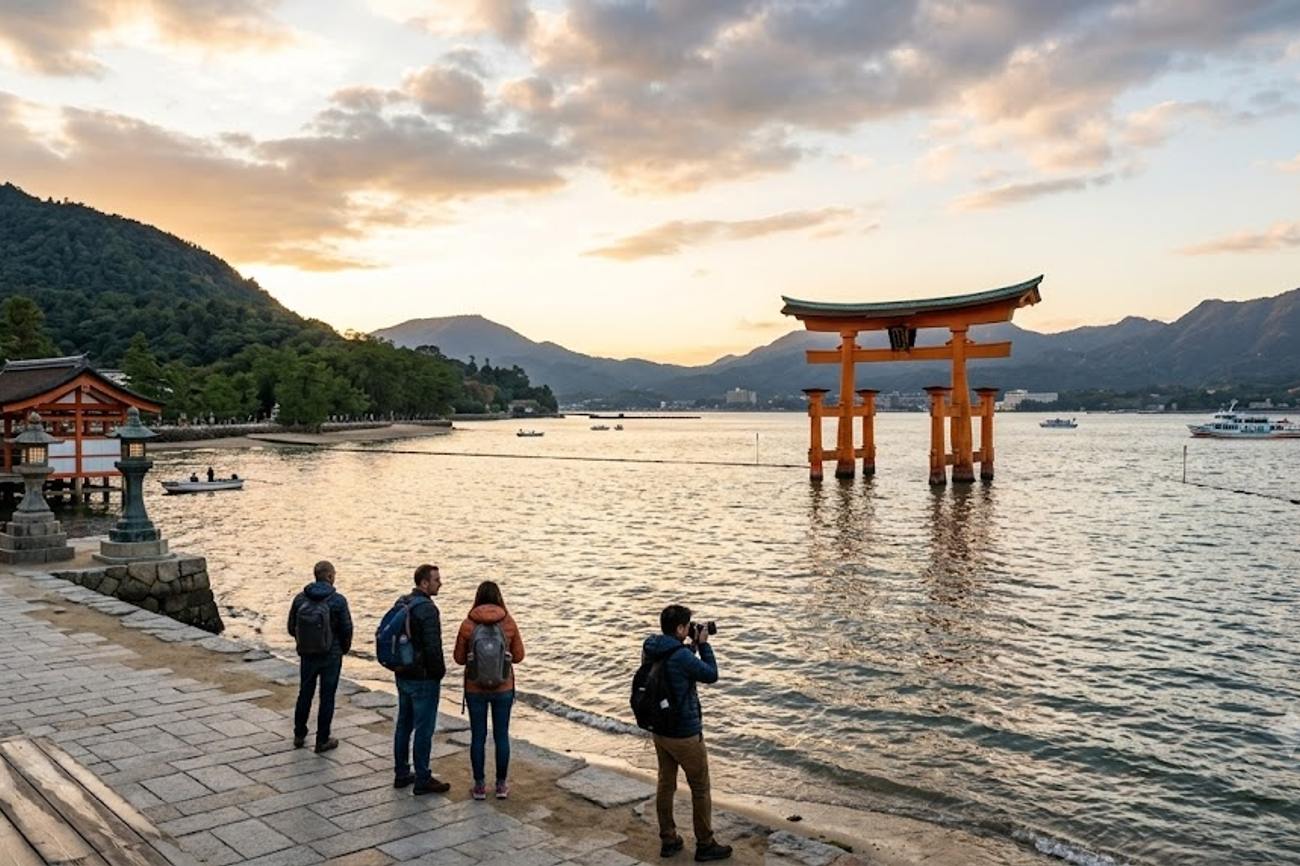
Image generated by AI
Most travelers treat Hiroshima as a checklist item—a solemn stop on a larger itinerary—but the city is currently undergoing a profound shift toward "new ways of living" that invite visitors to move beyond the role of a spectator and become active participants in its urban rebirth. While the world knows the city for its tragedy, the local movement now focuses on using the restoration of ruins as a catalyst for renovating the entire city's spirit and infrastructure.
The Evolution of Hiroshima's Urban Identity
For decades, Hiroshima struggled with its image as a singular destination of mourning. The pattern was predictable: tourists would arrive, visit the memorial sites, and depart. However, a strategic shift is occurring. The city is no longer content being a momentary pause in a Japanese tour; it is repositioning itself as a living laboratory for resilience and modern urbanism.
This transition is visible in how the city manages its heritage. There is a concerted effort to move away from "obligation tourism" toward immersive stays. By encouraging visitors to linger, the city is fostering a deeper connection between the international community and the local citizens who are redefining what it means to live in a post-war metropolis. This is not just about fixing buildings, but about creating a sustainable social framework where visitors contribute to the city's ongoing evolution.
What Makes the Hiroshima-Miyajima Axis Different
The region offers a stark, intentional contrast between the heavy, reflective atmosphere of the city center and the ethereal, spiritual energy of Miyajima. This duality is what defines the experience.
In the metropolitan core, the architecture serves as a permanent dialogue between the past and the present. The Atomic Bomb Dome and the Peace Memorial Park are not merely museums; they are the emotional anchors of the city. Yet, just a short distance away, the Shukkeien Garden and Hiroshima Castle showcase a different side of the Japanese soul—one rooted in classical aesthetics, precise landscape design, and the enduring strength of the samurai era.
Crossing the water to Miyajima shifts the sensory experience entirely. The island is a sanctuary where nature and spirituality merge. The Itsukushima Shrine, with its famous "floating" torii gate, is a masterpiece of engineering that interacts with the sea. Unlike the structured urban environment of the city, Miyajima is wilder; deer wander the paths, and the ascent of Mount Misen via the aerial tramway or forest trails provides a panoramic view of the Seto Inland Sea that puts the scale of the region into perspective. To experience both the city and the island is to understand the full spectrum of the Japanese experience: the resilience of the urban spirit and the timelessness of the natural world.
Visitor Insider Tips
To navigate this region like a local, you must move beyond the basic guidebooks and synchronize your trip with the rhythms of the land and the city's new digital requirements.
Mastering the Tides The floating torii gate of Miyajima is a chameleon. To see it completely surrounded by water, you must time your visit for high tide. However, the true insider move is to visit during low tide, which allows you to walk directly up to the historic foundations of the gate. Check the local marine schedules before you leave your hotel to ensure you witness both states in a single trip.
Strategic Lodging Do not make the mistake of treating Miyajima as a day trip. While the mainland offers the energy of nightlife and diverse dining, staying overnight on the island is a transformative experience. Once the ferry crowds depart for the mainland, the island returns to a state of profound tranquility that is inaccessible to day-trippers. Base yourself in the city for your culinary and historical explorations, but reserve at least one night on the island for spiritual decompression.
Visitors to Hiroshima and Miyajima should utilize the official Visit Japan Web portal to expedite immigration and customs procedures before arrival. This digital service streamlines entry logistics, allowing travelers to upload necessary health and visa documentation electronically.
The Okonomiyaki Ritual You cannot leave without eating Hiroshima-style Okonomiyaki. Unlike the Osaka version, this is a layered savory pancake featuring noodles and a mountain of fresh cabbage. Seek out the small, family-owned stalls in the city center rather than the larger tourist restaurants. This not only provides a more authentic taste but directly supports the independent merchants who are the backbone of the local economy.
Digital Navigation and Entry The era of simply showing up is over. If you plan to enter the Peace Memorial Museum during the morning slots, you must secure a mandatory online reservation at least 48 hours in advance. This system was implemented to kill the massive queues and ensure the museum doesn't exceed its capacity. Use the official Japan National Tourism Organization resources to stay updated on entry protocols.
Cultural and Environmental Context
Tourism in Hiroshima and Miyajima is currently a balancing act between accessibility and preservation. The introduction of the Miyajima Visitor Tax—a ¥100 levy integrated into ferry tickets and IC cards—is a prime example of the "sustainable funding model" now being adopted across Japan. This money is not a mere fee; it is directly funneled into environmental conservation and the maintenance of the island's delicate infrastructure.
Similarly, the shift toward digital registration for heritage sites is a response to "overtourism." By regulating visitor density, the city protects the physical integrity of the monuments and ensures that the experience remains one of reflection rather than chaos. For the visitor, this means more planning, but for the local community, it means their heritage is not being eroded by sheer volume.
The interaction between the visitor and the resident is also evolving. There is a growing desire for tourists to engage with the "new ways of living" projects in the city. By staying longer and exploring the non-memorial districts, travelers shift from being observers of a tragedy to supporters of a thriving, modern community. This transition is essential for the long-term health of the region's economy and its cultural dignity. For more on the global standards of site preservation, the UNESCO World Heritage Centre provides excellent context on why these restrictions are necessary.
FAQ: Visiting Hiroshima 2025
What is the best time to visit? Spring (cherry blossom season) and autumn (maple leaves) offer the best weather and scenery. However, to avoid the heaviest crowds, visit during the shoulder seasons or mid-week. Always check tide tables for Miyajima regardless of the month.
How do I get to Miyajima from the city center? The most efficient way is using the Hiroshima Tourist Pass. Take the local transit to the ferry terminal, where your pass or IC card will handle the ferry fare and the mandatory ¥100 visitor tax.
Is the Peace Memorial Museum safe for solo travelers? Yes, it is extremely safe. However, because of the emotional weight of the exhibits, solo travelers should be mindful of their mental energy. The museum is well-staffed and organized, making it easy to navigate alone.
What are the current transport costs? The 1-day Hiroshima Tourist Pass is priced at ¥1,200, while the 3-day wide-area pass is ¥4,500. These are the most cost-effective options for those exploring both the city and the island.
Stop treating the city as a museum of the past and start experiencing it as a blueprint for the future.
Related Travel Guides
Disclaimer
This article is for informational and educational purposes only. It does not constitute legal, financial, or professional advice. While we strive to provide accurate and up-to-date information, travel policies, regulations, and conditions change rapidly. Always verify information with official sources before making travel decisions. Nomad Lawyer makes no representations about the accuracy, reliability, completeness, or suitability of the information provided. Readers should consult qualified professionals for advice specific to their circumstances. The views expressed in this article are those of the author and do not necessarily reflect the views of Nomad Lawyer.
Naina Thakur
Contributor & Travel Specialist
Travel enthusiast and legal writer covering visa regulations, responsible tourism, and cultural journeys across global destinations.
Learn more about our team →