
Japan Tourism Diversification 2026: $30.4B Inbound Surge & Regional Travel Guide

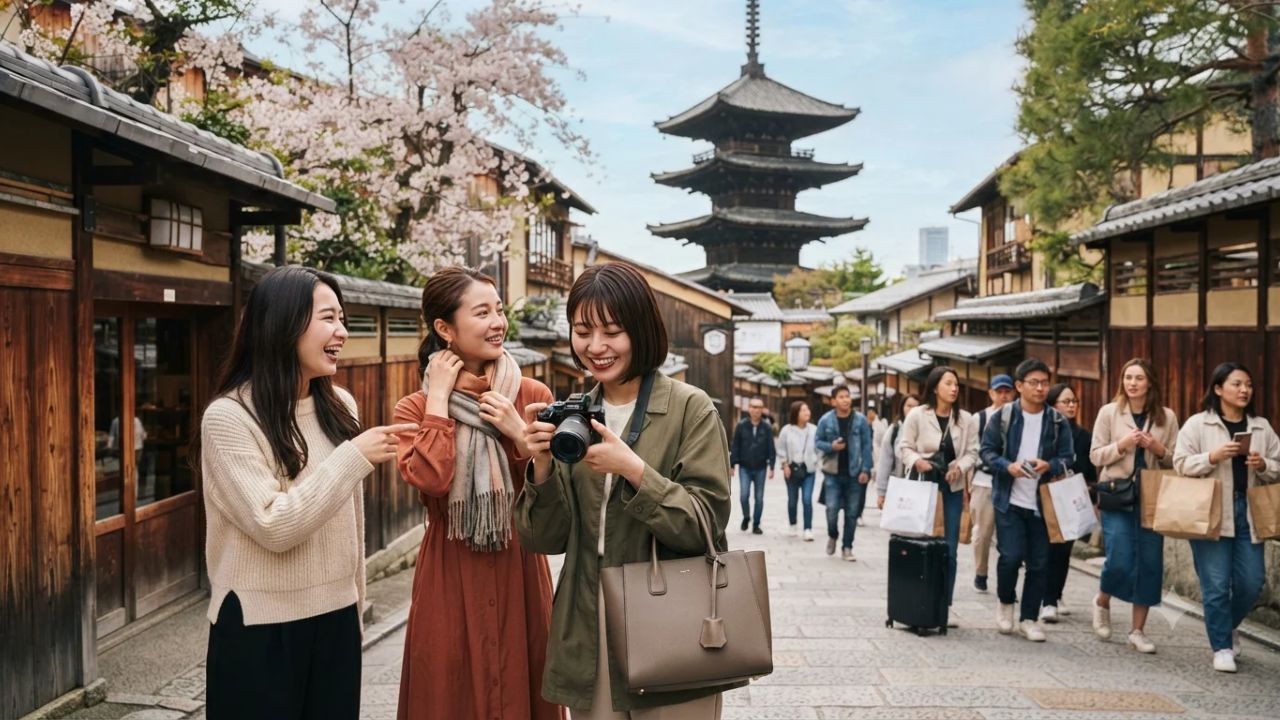
Despite Chinese inbound visitor numbers plummeting by 56.7 percent year-on-year in August 2026—collapsing from over 1.02 million arrivals to roughly 418,000 amid bilateral diplomatic tensions—foreign visitor spending across Japan reached an extraordinary 30.4 billion US dollars in the first half of the year alone. That resilient financial performance, tracked officially by the Japan Tourism Agency, demonstrates how high-yield travelers from Singapore, Hong Kong, South Korea, Taiwan, North America, and Europe are fundamentally restructuring the nation's travel economy following a record 42.7 million international arrivals in 2025.
The $30.4B High-Yield Pivot: How Japan Survived a 56.7% Inbound Contraction
The sudden contraction of Chinese group tours exposed the systemic vulnerabilities of over-relying on a single source market. Yet rather than triggering a broader hospitality collapse, the shift accelerated Japan’s strategic transition from mass-volume sightseeing toward premium, high-value experiential tourism as the nation pursues its target of sixty million international visitors by 2030.
Travelers from Singapore and Hong Kong have led this revival, seeking independent culinary immersions, boutique design hotels, and multi-region rail itineraries. Concurrently, European and American visitors have generated record lengths of stay, channeling expenditure into traditional ryokans, guided alpine expeditions, and craft workshops across secondary prefectures.
This spending resilience has reshaped national destination management under the Japan National Tourism Organization. Rather than measuring success purely through arrival tallies at Tokyo Narita or Osaka Kansai, authorities are actively dispersing travelers into regional corridors—such as Tohoku, Hokuriku, the Seto Inland Sea, and Kyushu—mitigating pressure on overcrowded historic urban centers while distributing tourism revenues directly to rural artisans and regional family-owned inns.
What Makes Japan's Regional Corridors Irreplaceable: Craft, Onsen, and Seasonal Rhythms
Japan's true cultural resonance lies beyond the well-trodden Golden Route of Tokyo, Kyoto, and Osaka. When travelers venture into the provinces, they encounter ancient regional identities shaped by distinct micro-climates, volcanic geology, and centuries of shokunin (master artisan) dedication.
In Kyoto, where classic sights like the Historic Monuments of Ancient Kyoto are inscribed under the UNESCO World Heritage Convention, overcrowding in Gion and Kiyomizu-dera has prompted travelers to explore northern rural districts like Kurama, Kibune, and Ohara. Here, mountain streams flow beneath cedar forests, and family-run ryokans serve traditional wild mountain vegetable cuisine (sansai) paired with local cold-water sake.
Venturing along the Hokuriku coast to Ishikawa prefecture reveals Kanazawa’s preserved samurai quarters of Nagamachi and the historic tea house streets of Higashi Chaya, where gold-leaf crafting and Kaga-yuzen silk dyeing flourish. Further south, the Seto Inland Sea offers serene art islands like Naoshima and Teshima, where contemporary architecture blends with quiet fishing harbors and olive groves. Around the sacred volcanic slopes of Mount Fuji, new municipal entry controls and climber limits have restored environmental dignity to ancient pilgrimage paths.
Visitor Insider Tips: Navigating Japan Like a Seasoned Local
Experiencing Japan smoothly requires mastering smart transit tools, respecting sacred etiquette, and timing visits to bypass peak crowds.
Shinkansen and Regional Rail Mastery
- SmartEX Digital Bullet Train Booking: Download the official SmartEX mobile app to link your credit card directly to your digital IC transit card (Suica or Pasmo). This allows you to book bullet train (Shinkansen) reserved seats on the Tokaido-Sanyo line instantly and tap your phone at platform gates without standing in long station ticket counter lines.
- Regional Rail Passes Over National Passes: Following price hikes on the nationwide Japan Rail Pass, regional passes—such as the JR West Kansai-Hiroshima Area Pass or the JR East Tohoku Area Pass—offer vastly superior financial value, covering regional bullet trains and local scenic branch lines.
- Luggage Oversize Reservations: If traveling with baggage whose total dimensions (length + width + height) exceed 160 centimeters on the Shinkansen, you must book a designated "Oversized Baggage Area" seat in advance to avoid boarding penalties.
Temple and Onsen Etiquette
- Temple and Shrine Purification: At Shinto shrine water pavilions (choyu-ya), take the wooden ladle with your right hand to wash your left, switch hands to wash your right, cup water in your left hand to rinse your mouth, and tilt the ladle vertically to wash the handle for the next visitor. Never drink directly from the ladle.
- Thermal Bath (Onsen) Rules: Always wash and rinse your body thoroughly at the seated wash stations before entering communal onsen waters. Tie long hair up, keep your small modesty towel out of the mineral water (place it on your head or edge of the bath), and check tattoo policies in advance, as many traditional hot springs require tattoo cover patches.
- Stand-and-Eat Dining: Never walk down the street while eating or drinking, which is considered bad manners (aruki-gui). Consume snacks directly in front of the shop or vending machine where purchased, and return disposable wrappers to the shopkeeper's waste bin.
Strategic Neighborhood Basing
- Tokyo: Base yourself in quieter, character-rich residential neighborhoods like Yanaka (Old Edo atmosphere), Kichijoji (Inokashira Park and jazz cafes), or Kagurazaka (traditional geisha alleys and cobblestone bistros) rather than noisy transit commercial hubs like Shinjuku or Shibuya.
- Kyoto: Avoid staying near crowded Kyoto Station; opt instead for boutique machiya townhouses in northern Nakagyo or the tranquil temple-fringed lanes of Sakyo ward.
Cultural and Environmental Context: Overtourism Mitigation and Rural Revival
The diversification of inbound tourism directly addresses Japan's most critical demographic and environmental challenge: rural depopulation (kaso) paired with urban overtourism.
At major heritage sites like Mount Fuji and Kyoto's historic geisha districts, local authorities have enacted strict regulations—including tourist photography bans on private residential alleys in Gion and daily hiker quotas on the Yoshida trail—to protect the daily quality of life of local residents.
Simultaneously, the influx of international spending into rural prefectures breathes vital economic life into heritage preservation. Abandoned historic folk houses (kominka) are being restored into luxury boutique accommodations, providing sustainable livelihoods for young craftspeople, organic tea farmers in Uji and Shizuoka, and traditional cedar woodworkers in Gifu. Mindful travelers who patronize local farmers' markets and family-run izakayas contribute directly to the economic resilience of these ancient communities.
FAQ: Visiting Japan 2026
Why did Chinese visitor numbers to Japan decline in 2026?
Chinese arrivals dropped 56.7 percent in August 2026 due to bilateral diplomatic tensions, reduced group tour travel, and revised flight schedules between the two nations.
How are other international markets supporting Japan's tourism industry?
Record spending from Singapore, Hong Kong, South Korea, Taiwan, North America, and Europe generated $30.4 billion in foreign tourist expenditure during the first half of 2026.
What are the best alternative destinations to avoid crowds in Kyoto?
Explore peaceful regional cultural hubs like Kanazawa (Ishikawa), Takayama (Gifu), Kurashiki (Okayama), or the scenic temple trails of Tohoku in northern Honshu.
Do international travelers still need physical cash in Japan?
While digital transit cards (Suica/Pasmo) and credit cards are widely accepted in major cities, physical yen remains necessary for temple admission fees, coin lockers, traditional ramen ticket machines, and rural bus routes.
By trading crowded tourist circuits for the quiet dignity of regional artisan towns, travelers to Japan discover that true luxury is found in stillness and craftsmanship.
Related Travel Guides
Disclaimer
This article is for informational and educational purposes only. It does not constitute legal, financial, or professional advice. While we strive to provide accurate and up-to-date information, travel policies, regulations, and conditions change rapidly. Always verify information with official sources before making travel decisions. Nomad Lawyer makes no representations about the accuracy, reliability, completeness, or suitability of the information provided. Readers should consult qualified professionals for advice specific to their circumstances. The views expressed in this article are those of the author and do not necessarily reflect the views of Nomad Lawyer.
Raushan Kumar
Founder & Lead Developer
Full-stack developer with 11+ years of experience and a passionate traveller. Raushan built Nomad Lawyer from the ground up with a vision to create the best travel and law experience on the web.
Learn more about our team →