
Japan Niseko Tops Global Seasonal Work Ranking as New Zealand Dominates World’s Best Destinations for Workers Abroad
Japan Niseko Tops Global Seasonal Work Ranking as New Zealand Dominates World’s Best Destinations for Workers Abroad

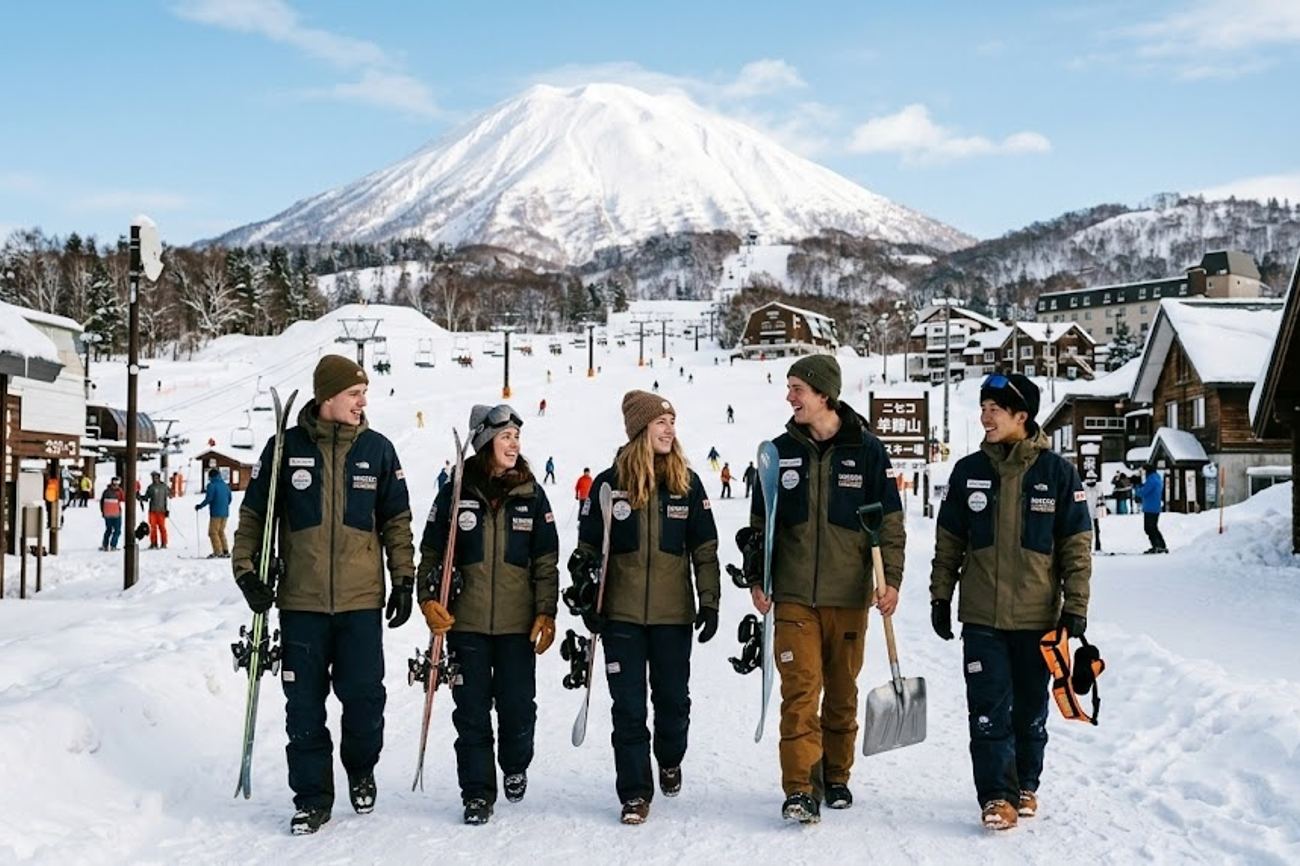
Image generated by AI
88 seasonal-work destinations across 21 countries were analyzed to determine the viability of temporary international employment, revealing a stark divide between high-wage, high-cost European hubs and the high-utility, safety-driven appeal of Asia and Oceania. The findings suggest a shifting preference among the global nomad workforce, where safety scores and rent-to-wage ratios are beginning to outweigh nominal salary figures.
The Geography of Temporary Labor
The global market for seasonal work is no longer dominated by a single region or industry. While the traditional "ski season" in the Alps remains a powerful draw, the data indicates a diversified appetite for agricultural and hospitality roles. The study’s methodology moves beyond simple wage tracking, instead weighing five distinct variables: safety, job demand, leisure opportunities, rent affordability relative to the local minimum wage, and general cost of living.
Japan’s Niseko has emerged as the global benchmark for this lifestyle, scoring 79.0 out of 100. The region’s success is rooted in its infrastructure; four interconnected resort areas create a concentrated ecosystem of demand for hospitality and ski-related services. This concentration allows workers to find employment without the logistical friction often found in more dispersed tourist regions.
New Zealand, however, represents the most comprehensive "seasonal ecosystem" on the planet. By placing eight destinations in the top 20, the country demonstrates an ability to absorb temporary labor across three distinct sectors: winter sports, horticulture, and urban hospitality. This diversity allows workers to pivot between roles—such as moving from winter tourism in Queenstown to summer fruit-picking in Central Otago—effectively extending their stay in a single jurisdiction.
Data Breakdown: The Global Top 20 Seasonal Hubs
The following table details the performance of the highest-ranking destinations, illustrating the correlation between industry category and overall score.
| Rank | Destination | Country | Category | Score |
|---|---|---|---|---|
| 1 | Niseko | Japan | Ski / Winter | 79.0 |
| 2 | Cortina d’Ampezzo | Italy | Ski / Winter | 73.1 |
| 3 | Central Otago | New Zealand | Agriculture | 68.0 |
| 4 | Queenstown | New Zealand | Ski / Winter | 66.6 |
| 5 | Dunedin | New Zealand | Hospitality / Party | 66.3 |
| 6 | Wanaka | New Zealand | Ski / Winter | 64.1 |
| 7 | Nelson | New Zealand | Agriculture | 63.8 |
| 8 | St Anton | Austria | Ski / Winter | 63.6 |
| 9 | Corfu (Kavos) | Greece | Hospitality / Party | 63.2 |
| 10 | Val d’Isère | France | Ski / Winter | 62.5 |
| 11 | Zermatt | Switzerland | Ski / Winter | 62.0 |
| 12 | Crete (Malia) | Greece | Hospitality / Party | 61.4 |
| 13 | Courchevel | France | Ski / Winter | 60.9 |
| 14 | Rotorua | New Zealand | Hospitality / Party | 60.8 |
| 15 | Motueka | New Zealand | Agriculture | 59.9 |
| 16 | Benidorm | Spain | Hospitality / Party | 59.2 |
| 17 | Rhodes (Faliraki) | Greece | Hospitality / Party | 59.0 |
| 18 | Albufeira / Algarve | Portugal | Hospitality / Party | 58.8 |
| 19 | Whistler | Canada | Ski / Winter | 58.3 |
| 20= | Malaga | Spain | Hospitality / Party | 58.0 |
| 20= | Wellington | New Zealand | Hospitality / Party | 58.0 |
Expert Analysis: The "Real Wage" Paradox
For the modern seasonal worker, the nominal hourly rate is a deceptive metric. The data reveals a "Real Wage Paradox," particularly evident when comparing the European Alps to the Asia-Pacific region.
In destinations like Zermatt (Rank 11) or Courchevel (Rank 13), the baseline wages are often higher than those in New Zealand or Japan. However, the cost of living in these Swiss and French hubs is notoriously aggressive. The study suggests that the viability of these locations often hinges on "employment packages"—specifically, whether the employer provides subsidized or free housing. Without these perks, the rent-to-wage ratio in the Alps can render a high salary mathematically irrelevant.
Conversely, the high ranking of Cortina d’Ampezzo (Rank 2) is driven by a specific combination of safety and stability, boasting the study's highest safety score of 94.1. This indicates that for a significant portion of the seasonal workforce, the "psychological wage"—the peace of mind provided by a safe environment—is as valuable as the financial one.
For those targeting the hospitality and "party" sector in Southern Europe, the risk profile is different. Locations like Kavos in Corfu (Rank 9) and Malia in Crete (Rank 12) offer high job demand but are subject to extreme volatility based on the duration of the tourist season. The direct consequence for travelers is a shorter window of earning potential compared to the agricultural cycles in New Zealand’s Central Otago (Rank 3), where viticulture and horticulture provide more structured, albeit physically demanding, employment.
From a regulatory perspective, workers must look beyond these scores to the International Air Transport Association (IATA) guidelines on travel documentation and the specific visa requirements of each nation. For instance, New Zealand’s dominance in this list is largely facilitated by its historically accessible working holiday visa programs, a regulatory lever that allows the country to import labor more efficiently than many European counterparts.
Key Takeaways
- Safety as a Primary Driver: Niseko (79.0) and Cortina d’Ampezzo (94.1 safety score) prove that safety is now a top-tier priority for seasonal migrants, often outweighing pure income.
- New Zealand’s Diversification: With 8 of the top 20 spots, New Zealand is the only country offering a viable "multi-season" strategy across skiing, farming, and hospitality.
- The Housing Hurdle: High-ranking European resorts (Val d’Isère, Zermatt) remain attractive only if accommodation is bundled into the employment contract.
- Sector Specialization: Dunedin is the global leader for hospitality and nightlife, while Central Otago is the premier destination for agricultural work.
- Regional Clusters: Greece and Spain dominate the "Hospitality/Party" niche, focusing heavily on Mediterranean summer tourism.
FAQ: Seasonal Work 2024
Which country is best for variety in seasonal jobs? New Zealand is the top performer, offering eight different high-ranking destinations across agriculture (Central Otago, Nelson), winter sports (Queenstown, Wanaka), and hospitality (Dunedin, Wellington).
Are high-paying European ski resorts better than Asian resorts? Not necessarily. While wages may be higher in the Alps, Niseko (Japan) ranks higher overall due to better safety scores (92.9) and more favorable cost-of-living ratios.
What is the best region for agricultural work? Central Otago in New Zealand is the highest-ranked agricultural hub, specifically known for its viticulture and fruit-harvesting opportunities in areas like Cromwell and Alexandra.
Do I need to worry about housing in these top destinations? Yes. In high-cost areas like the French or Swiss Alps, you should prioritize jobs that offer accommodation support, as rent can otherwise consume a majority of your earnings.
The pursuit of the seasonal lifestyle is no longer just about the paycheck—it is a calculated trade-off between safety, affordability, and the geography of leisure.
Tags: Niseko, Central Otago, Remitly Seasonal Study, Working Holiday Visas, Hokkaido Tourism, New Zealand Agriculture
Related Travel Guides
- Greece Joins Spain,Italy and Others as Mediterranean Travel Enters Powerful New High Spending Tourism Era in 2026
- Sardinia, Italy Is Now Set To Unlock More Nature Tourism At Chia As New Golden Hour Trails Offer Great Escapes
- USA Travel Update As NOAA Map Reveals Unusual Autumn 2026 Weather Patterns Across All Regions
Disclaimer
This article is for informational and educational purposes only. It does not constitute legal, financial, or professional advice. While we strive to provide accurate and up-to-date information, travel policies, regulations, and conditions change rapidly. Always verify information with official sources before making travel decisions. Nomad Lawyer makes no representations about the accuracy, reliability, completeness, or suitability of the information provided. Readers should consult qualified professionals for advice specific to their circumstances. The views expressed in this article are those of the author and do not necessarily reflect the views of Nomad Lawyer.
Preeti Gunjan
Contributor & Community Manager
A passionate traveller and community builder. Preeti helps grow the Nomad Lawyer community, fostering engagement and bringing the reader experience to life.
Learn more about our team →