Japan New Year Travel Boom 2026: Tokyo Shogatsu Traditions and Narita Airport Record Flight Volume

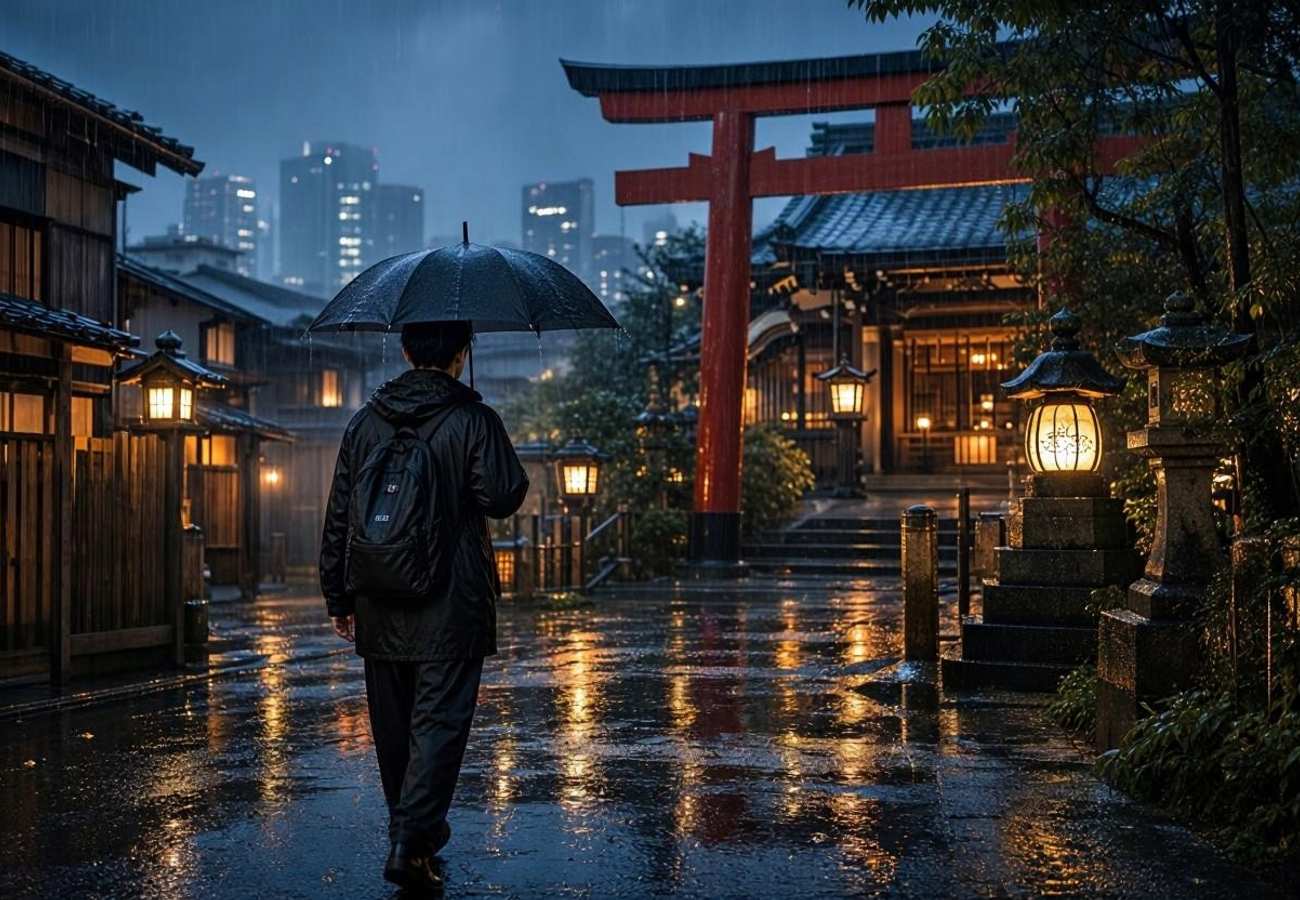
Image generated by AI
[Tokyo, November 15, 2026] — Japan is preparing for a massive winter travel surge as Narita International Airport implements its highest flight frequency since opening, operating 3,382 international passenger flights per week. This aviation expansion coincides with a significant spike in tourism revenue, with the Japan Tourism Agency reporting that foreign visitor spending hit 2.2 trillion yen in the third quarter, a 3.2% increase year-on-year.
The surge is driven by a combination of favorable exchange rates and the cultural draw of Shōgatsu (New Year), the nation's most sacred holiday. While international arrivals climb, a massive domestic migration is expected, with JTB Corporation forecasting that 38.7 million Japanese citizens will travel to ancestral homes, pushing domestic travel consumption to 1,710 billion yen.
The Shogatsu Exodus: Tokyo's Urban Transformation
As the December 31 deadline approaches, Tokyo undergoes a rare demographic shift. The departure of millions of residents creates a "ghost town" effect in typically congested districts like Shibuya and Shinjuku. This exodus provides international tourists with a unique window to explore the capital's architecture and winter illuminations without the standard commuter crowds.
However, this tranquility comes with logistical trade-offs. Because Shōgatsu is a family-centric holiday, many independent retailers, museums, and local banks close their doors, particularly on January 1.
Cultural Pillars of the Winter Season
The holiday period is defined by two primary spiritual events and specific culinary rituals:
- Hatsumode: The first shrine or temple visit of the year, occurring between January 1 and 3. Major sites including the Meiji Shrine in Tokyo and Fushimi Inari in Kyoto see millions of visitors praying for prosperity.
- Joya no Kane: On December 31, Buddhist temples ring bells 108 times at midnight to cleanse earthly desires.
- Seasonal Gastronomy: Traditions include eating toshikoshi soba (buckwheat noodles) on New Year's Eve for longevity, and osechi ryōri (specialty foods in lacquer boxes) and ozoni (mochi soup) during the first three days of January.
Winter Travel Logistics and Economic Data
The following table outlines the current economic and operational metrics defining the 2026 winter season.
| Metric | Value | Detail |
|---|---|---|
| Narita Weekly Flights | 3,382 | Highest frequency in airport history |
| Q3 Foreign Spending | 2.2 Trillion Yen | 3.2% Year-on-Year increase |
| Domestic Travelers | 38.7 Million | Projected holiday migration |
| Domestic Consumption | 1,710 Billion Yen | 4.3% projected increase |
| Peak Closure Date | January 1 | Widespread business shutdowns |
What This Means for Travelers
For those visiting Japan during the Shōgatsu period, the experience is a paradox of empty streets and overcrowded shrines.
Passenger Impact Assessment:
- Transport Bottlenecks: Shinkansen (bullet train) seats will sell out rapidly. Travelers must secure reservations well in advance to avoid being stranded during the 38.7 million-person domestic migration.
- Dining Shortages: With independent restaurants closed, travelers should rely on hotel dining or convenience stores (konbini), which typically remain open.
- Increased Purchasing Power: The weaker yen is currently enabling international visitors to access high-end luxury accommodations and private cultural tours more affordably.
- Airport Efficiency: While flight volume at Narita is at a record high, the increased capacity should reduce the likelihood of flight shortages, though check-in queues may increase.
The Path to 2027
The current trajectory suggests that Japan's tourism sector has achieved a new baseline of economic resilience. The shift toward high-spending luxury travel, combined with record-breaking aviation connectivity, indicates that the nation is moving beyond simple mass tourism toward a high-value model. Travelers should expect continued volatility in domestic transport during peak holidays but improved international access via expanded flight schedules.
FAQ: Japan New Year Travel 2026
Will shops and restaurants be open in Tokyo on January 1? Many independent shops, museums, and small eateries close. However, major department stores, convenience stores, and hotel restaurants generally remain operational. Always verify specific venue hours in advance.
How do I handle Shinkansen bookings during the New Year rush? Book your tickets the moment they become available through official channels. The domestic migration of 38.7 million people creates extreme demand, making last-minute tickets nearly impossible to find.
What is the best way to experience Hatsumode? Visit shrines early in the morning or on January 2 and 3 to avoid the heaviest crowds. Meiji Shrine is a primary destination in Tokyo, but smaller local shrines offer a more intimate experience.
Is the yen still favorable for tourists in late 2026? Yes, recent data shows that favorable exchange rates continue to drive a 3.2% increase in foreign spending, making luxury experiences and high-end shopping more accessible for international visitors.
Tokyo's winter silence is the loudest signal of Japan's enduring cultural strength.
Related Travel Guides
This article is for informational purposes. Flight routes, passenger regulations, visa rules, and transit advisories are subject to change by airlines and aviation authorities. Readers are advised to verify schedules and travel documentation with relevant carriers and border agencies before departure.
Related Stories

Anchorage Direct Tokyo Flights and Three Summer Routes Launch for 2027: Alaska Travel Logistics and Insider Guide

Eurotunnel Drive-Through Biometric Border Checks: New Fingerprint Rules for UK-France Travel 2026