Eurotunnel Drive-Through Biometric Border Checks: New Fingerprint Rules for UK-France Travel 2026

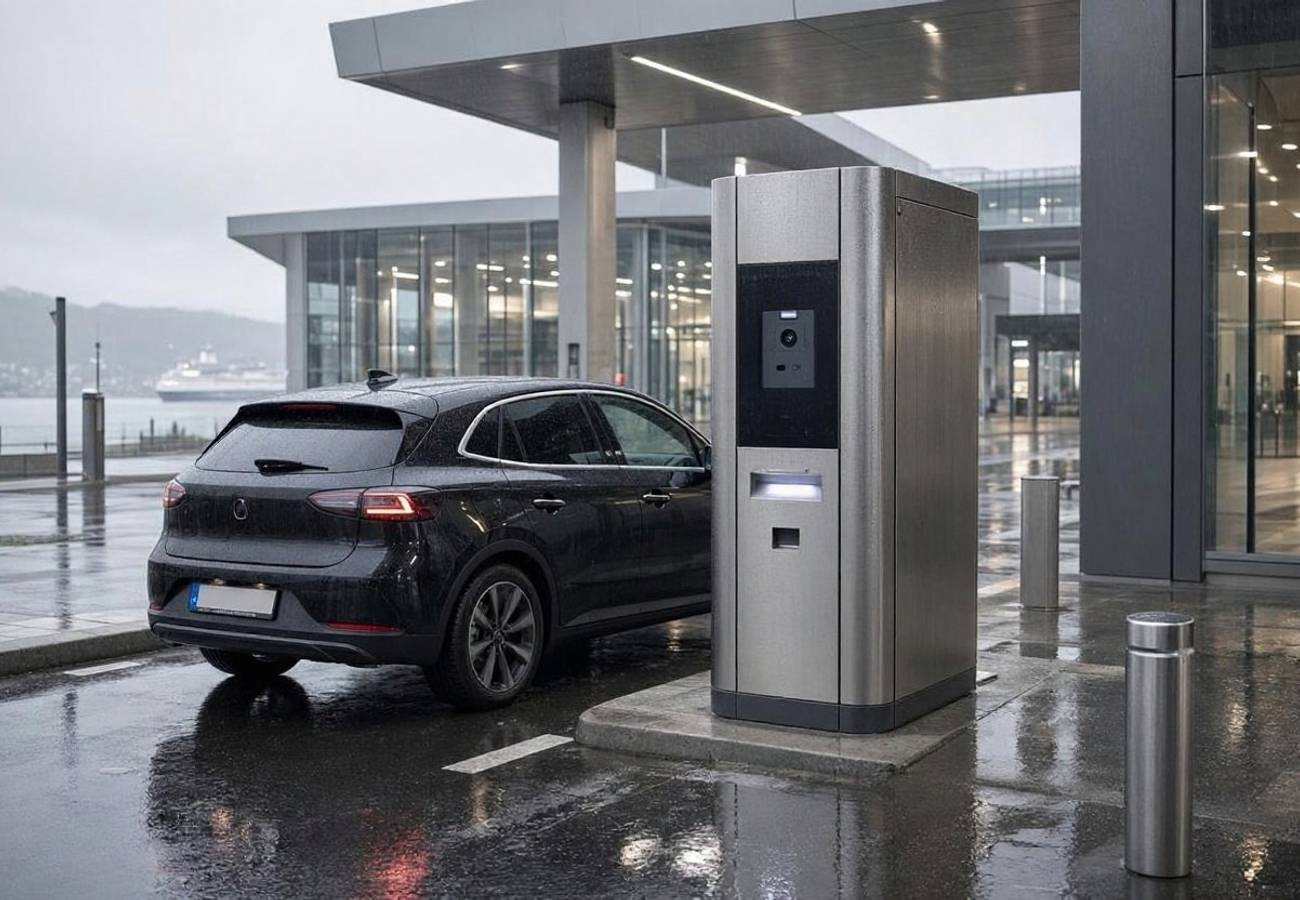
Image generated by AI
Planning a road trip between the UK and France? You may soon be able to complete your border registration without ever stepping out of your car. Getlink, the operator of the Channel Tunnel, is proposing a shift to drive-through biometric checks to streamline the crossing process for international motorists.
The Shift to Drive-Through Biometrics
Getlink is currently developing a proposal to implement camera-supervised biometric kiosks at its terminals in Folkestone, England, and Coquelles, France. The goal is to allow passengers to submit fingerprints and facial images while remaining inside their vehicles. This initiative is a direct response to the European Union's Entry/Exit System (EES), which mandates digital records for non-EU visitors.
Under this proposed model, vehicles will pull alongside designated kiosks where passports are scanned and biometric data is captured. To ensure security without slowing down traffic, cameras mounted above the registration areas will allow border authorities to supervise the process remotely, removing the need for a police officer to physically stand by every car.
Infrastructure and Capacity Details
The transition to this system is supported by a massive infrastructure investment of approximately €80 million made by Getlink between 2022 and 2024. Both terminals have been equipped with specialized hardware designed to function in extreme weather, including heavy rain and high temperatures.
| Feature | Folkestone Terminal (UK) | Coquelles Terminal (France) |
|---|---|---|
| Biometric Kiosks | 120 | 120 |
| Covered Pre-registration Space | 7,000 sq metres | 7,000 sq metres |
| Max Simultaneous Vehicle Capacity | 53 vehicles | 59 vehicles |
| Peak Traffic Processing | 700 vehicles / hour | 700 vehicles / hour |
| Peak Passenger Volume | 2,000 passengers / hour | 2,000 passengers / hour |
| Status | Proposed Trial (2 Years) | Proposed Trial (2 Years) |
Traveler Logistics Guide
If you are driving across the Channel, the implementation of these biometric kiosks changes your pre-boarding routine. Here is the practical breakdown of what you need to know.
1. Biometric Requirements by Passenger Type The EES rules apply to 29 European countries, including France, Germany, and Italy. If you are a British, American, or Canadian citizen, your requirements differ:
- Visa-Exempt Travelers: You must provide four fingerprints and a facial image.
- Visa-Required Travelers: Since fingerprints are collected during the visa application, you will typically only need a facial image scan at the border.
- Children: Those under 12 years old are exempt from fingerprinting, though facial images may still be recorded.
2. The Registration Process Once the drive-through system is active, you will be directed by intelligent guidance technology to a kiosk based on your vehicle's occupancy. Each vehicle has access to two passenger positions for completing the biometric scan. You will remain in your seat while the overhead cameras verify your identity.
3. Managing the 90-Day Rule The EES replaces physical passport stamps with a digital record valid for three years. This system automatically tracks the "90 days within 180 days" limit for short-stay visits across the entire Schengen Area. Ensure your travel dates are calculated collectively across all member states, not just France.
4. Ground Transport Strategy To avoid delays during peak windows (which can reach 2,000 passengers per hour), utilize the Eurotunnel Le Shuttle digital check-in tools. Be aware that Ireland and Cyprus are not part of the EES; if your itinerary includes these destinations, different entry rules apply.
Regional Connectivity Impact
This shift represents a move away from the "terminal building" model, where passengers were previously required to leave their cars and enter a facility for police-supervised registration. By adopting a model similar to certain US-Mexico border inspections, Getlink aims to eliminate the bottleneck caused by moving officers between vehicles.
The successful trial of these 240 total kiosks could set a precedent for other European border crossings, moving the Schengen Area toward a fully digitized, "frictionless" border. For the frequent nomad or business traveler, this means reduced idling time at Folkestone and Calais and a more predictable transit window into mainland Europe.
FAQ: Eurotunnel Biometrics 2026
Do I need a transit visa for the EES biometric checks? The EES is a registration system, not a visa. However, if your nationality requires a short-stay visa for the Schengen Area, you must still possess one. The biometric kiosks simply digitize your entry and exit records.
How long will the biometric registration take? Initial tests with 180 volunteers indicated the technology is quick and straightforward. While exact per-car timings aren't public, the system is designed to handle up to 700 vehicles per hour during peak traffic.
Can I opt out of the fingerprint scans? Biometric data is a mandatory requirement of the EU Entry/Exit System for eligible non-EU citizens. Failure to provide fingerprints and facial images may result in denied entry to the Schengen Area.
Will my bags be checked during the drive-through process? The biometric kiosks handle identity verification. Standard customs and security inspections remain separate procedures and may still require you to stop or present your vehicle for inspection.
Prepare your documents and stay in your seat—the future of Channel crossing is digital.
Related Travel Guides
This article is for informational purposes. Flight routes, passenger regulations, visa rules, and transit advisories are subject to change by airlines and aviation authorities. Readers are advised to verify schedules and travel documentation with relevant carriers and border agencies before departure.
Related Stories

Japan New Year Travel Boom 2026: Tokyo Shogatsu Traditions and Narita Airport Record Flight Volume

Dominica's Nature-First Pivot: Analyzing the Rise of Solo Adventure Travel in 2026