
Transit Alerts: Narita Express Announces Autumn Construction Closures
JR East has announced planned service closures for the Narita Express in autumn 2026 due to Yokosuka and Sōbu corridor tunnel works.

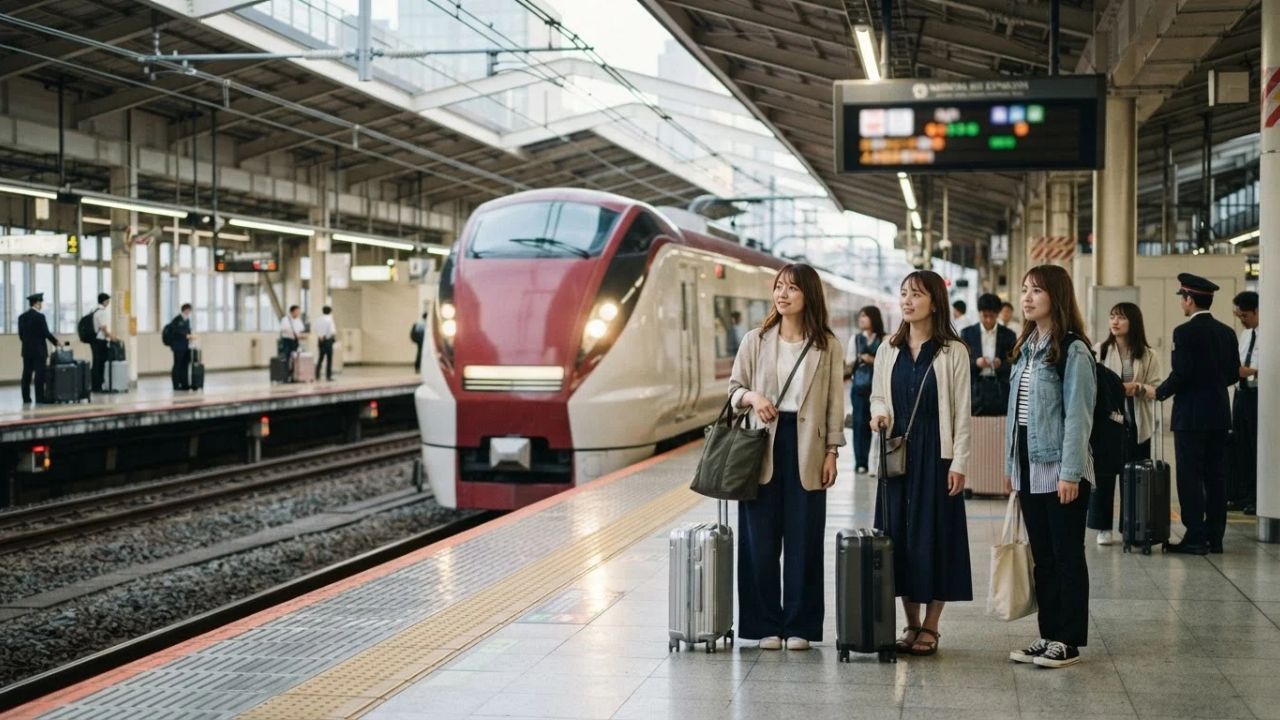
Image generated by AI
JR East has announced planned service closures for the Narita Express in autumn 2026 due to Yokosuka and Sōbu corridor tunnel works. The East Japan Railway Company indicates that the engineering projects will require complete track closures between Tokyo and Shinagawa on key dates.
The Management of Urban Airport Rail Corridors
A major priority in regional transport planning is the maintenance of high-speed airport express rail links. Historically, engineering departments scheduled track closures during off-peak night hours, but large-scale tunnel reinforcements require extended, multi-day track suspensions. In 2026, transit agencies coordinate passenger alerts weeks in ahead, keeping core airport sections open while offering alternative routing through municipal hubs.
By managing the impact of track closures, operators preserve the reliability of the broader transit network. This coordinated strategy ensures that international passengers can navigate transfers and luggage logistics without a total airport railway shutdown.
Current Service Cancellations and Core Route Status
Recent morning track issues caused minor cancellations on August 23, 2026:
- Status Snapshot: Recorded at 10:55 JST on the 23rd of August 2026.
- Service No. 2: Cancelled on the Shinagawa-to-Shinjuku section.
- Service No. 15: Cancelled on the Shinjuku-to-Shinagawa section.
- Fastest Airport Run: Reaches Tokyo Station from Narita Airport in approximately 53 minutes.
- Service Area: Serves Tokyo Station, Shinagawa, Shibuya, Shinjuku, Yokohama, and Ōfuna (with selective stops at Narita, Sakura, Yotsukaidō, and Chiba).
- Immigration Rules: The rail adjustments introduce no changes to Japanese visa or entry requirements; passport readers remain active for rail passes.
These morning cancellations did not impact the core route between Tokyo Station and Narita Airport.
Autumn Tunnel Works and Track Closures
More significant, planned infrastructure closures are scheduled for the coming months:
- Closure Dates: Major all-day works will occur on Saturday, 5 September, and Saturday, 7 November 2026.
- Affected Travel Windows: Travelers should treat 4–6 September and 6–8 November 2026 as the wider disruption periods.
- Daily Closure Schedule: Track adjustments begin around 19:40 on the preceding evenings and continue until about 08:00 on the following mornings.
- Suspended Track Section: The railway corridor between Tokyo and Shinagawa will be closed, with trains operating only between Narita Airport and Tokyo Station.
These closures require passengers traveling from western and southern Tokyo to arrange transfers at Tokyo Station.
Narita Express Service Coordinates
The table below breaks down the affected services, closure dates, route segments, restoration timelines, alternative transit modes, and coordinating boards:
| Target Train Service | Planned Closure Date | Affected Route Segment | Daily Closure Window | Alternative Transit Mode | Coordinating Board |
|---|---|---|---|---|---|
| Narita Express | 5 September 2026 | Shinagawa – Tokyo Station | 19:40 to 08:00 | Skyliner & Access Express | East Japan Railway Company |
| Service No. 2 & 15 | 7 November 2026 | Suspended beyond Tokyo | Preceding/following days | Keisei Line & Airport Buses | Ministry of Land & Transport |
| 53-minute route | 4–6 Sept & 6–8 Nov | Central Tokyo extensions | Core all-day Saturdays | Ueno / Nippori transfers | Tokyo Metropolitan Govt |
These coordinates outline the services, dates, segments, windows, alternatives, and boards established for the autumn construction program.
Resource Stewardship and Eco-Aware Airport Transit
For the traveler, the benefit of choosing high-capacity rail links (such as the Skyliner or JR lines) over private taxis is the reduction in carbon emissions and road congestion. Utilizing public transit channels helps manage energy use across Tokyo's crowded expressways.
Additionally, checking station displays and using automated ticket gates minimizes delays on platform transfers. Planning transfers efficiently at hubs like Tokyo Station reduces passenger foot traffic during peak morning and evening travel windows.
For comparison, you can explore the changing dynamics of Stimulus Launch: Taiwan Unveils Billion-Dollar Repeat Visitor Rewards to see how destinations promote visitor spend. For transit updates, comparing travel scheduling matches other networks, such as Infrastructure Development: Maldives Greater Malé Bridge Reaches Milestones updates. This trend is similar to the tourism growth seen in other destinations, as detailed in our guide on the Hacienda Heights Bus Fire Transport Safety regulations.
Visitor Insider Tips: Navigating Airport Rail Changes
If you are planning to travel to Narita Airport during the autumn closures, keep these practical tips in mind:
- Confirm Individual Train Numbers: Check if your specific service terminates at Tokyo Station, as scheduling varies during the evening and morning transition hours.
- Build in Platform Transfer Buffers: Allow at least 20 minutes to transfer at Tokyo Station, especially when carrying large bags or traveling with families.
- Identify the Correct Terminal Station: Remember that Terminal 1 is a five-minute walk from its station, while Terminals 2 and 3 are five minutes and ten minutes respectively from their shared station.
- Book the Skyliner as an Alternative: If starting in western Tokyo, use the Skyliner from Ueno or Nippori to bypass the closed Tokyo-Shinagawa section.
- Prepare Separate Tickets for Private Lines: JR tickets do not cover private operators; buy a separate ticket if switching to the Keisei lines.
Long-Term Outlook for Tokyo's Airport Links
The long-term outlook for transit in Tokyo is focused on reinforcing underground tunnel corridors against seismic activity, introducing automated ticket checking via smartphone sensors, and expanding baggage-delivery services from airport terminals directly to hotels. As international passenger arrivals remain high, transit boards and rail operators will cooperate to coordinate safety upgrades.
By investing in climate-resilient tracks and protecting passenger rights, the railway sector aims to build a sustainable transport network.
FAQ
What are the autumn closure dates for the Narita Express?
The major closures are scheduled for Saturday, September 5, and Saturday, November 7, 2026, with disruptions beginning on the preceding evenings.
Which track section will be closed?
The railway between Tokyo and Shinagawa will be closed, suspending Narita Express services beyond Tokyo Station to western and southern districts.
How long is the normal journey from Narita Airport to Tokyo Station?
The fastest scheduled Narita Express train completes the direct run in approximately 53 minutes.
What are the alternative transit options?
Travelers can use alternative rail links, including the Skyliner (via Ueno/Nippori), the Access Express, the Keisei Main Line, or local airport buses.
Stay updated on the regional travel regulations and railway alerts shaping Japanese transit.
Related Travel Guides
Disclaimer
This article is for informational and educational purposes only. It does not constitute legal, financial, or professional advice. While we strive to provide accurate and up-to-date information, travel policies, regulations, and conditions change rapidly. Always verify information with official sources before making travel decisions. Nomad Lawyer makes no representations about the accuracy, reliability, completeness, or suitability of the information provided. Readers should consult qualified professionals for advice specific to their circumstances. The views expressed in this article are those of the author and do not necessarily reflect the views of Nomad Lawyer.
Raushan Kumar
Founder & Lead Developer
Full-stack developer with 11+ years of experience and a passionate traveller. Raushan built Nomad Lawyer from the ground up with a vision to create the best travel and law experience on the web.
Learn more about our team →