Japan Dominates Winter Travel 2026 With Epic Snow Experiences From Hokkaido To Traditional Snow Villages

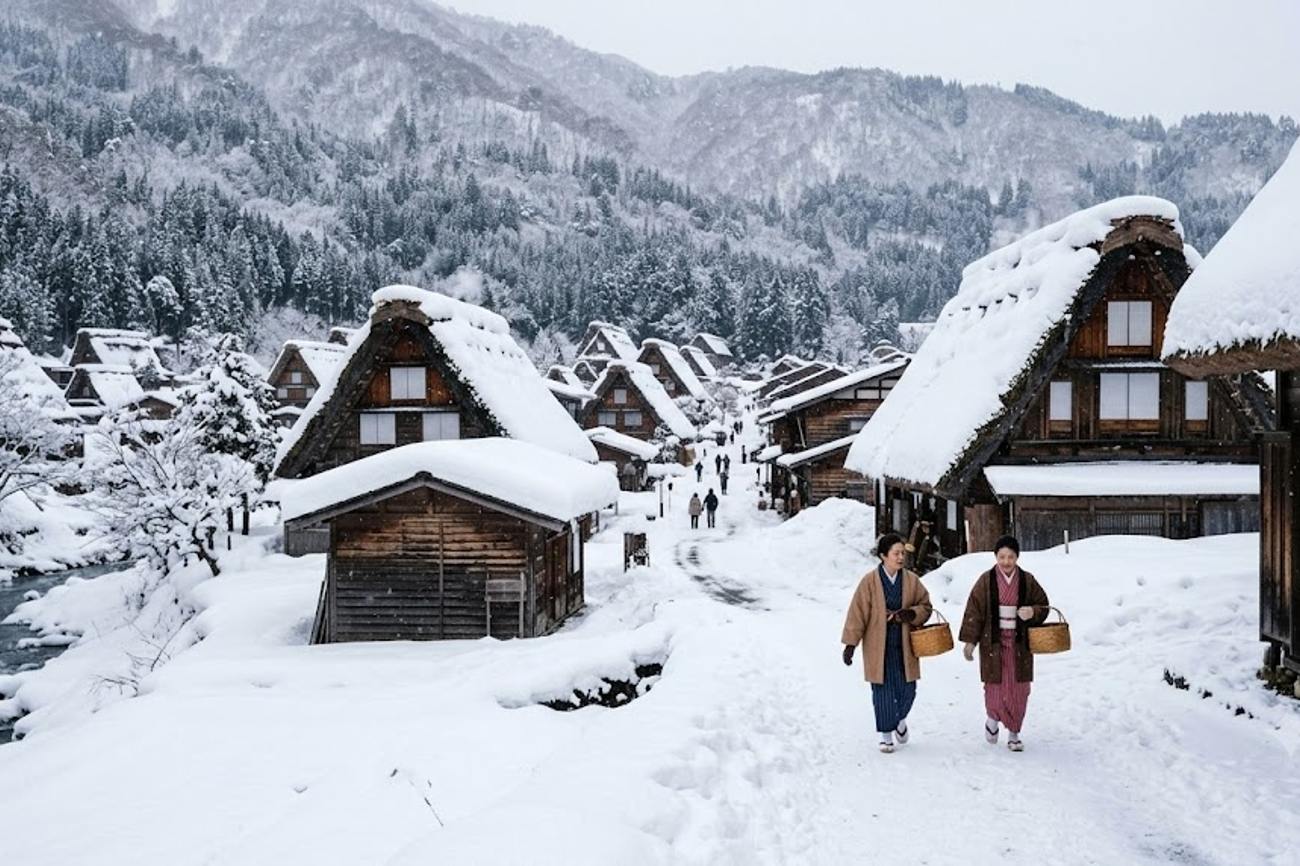
Image generated by AI
[Tokyo, October 2024] — Japan is executing a comprehensive overhaul of its winter tourism infrastructure for the 2026 season, shifting from a narrow focus on ski sports to a diversified "experience-based" travel model. The initiative aims to decentralize tourist traffic from overcrowded hubs and stimulate economic growth in rural provinces by integrating luxury wellness, cultural heritage, and regional gastronomy into the snow-travel circuit.
The strategy, spearheaded by the Japan Tourism Agency, involves the systematic upgrading of facilities and transportation links across the Hokkaido and Tohoku regions. By repositioning the country as a holistic winter destination rather than a series of isolated resorts, officials intend to increase the average length of stay for international visitors and distribute tourism revenue more equitably across lesser-known mountainous districts.
The 2026 Tourism Pivot
The immediate trigger for this transformation is the need to evolve the "ski-only" business model into a comprehensive holiday ecosystem. While Japan has long been a premier destination for powder snow, the government recognizes that relying solely on adventure sports limits the market. The 2026 plan introduces a multi-pillar approach:
- Infrastructure Modernization: Upgrading existing snow resorts to meet international luxury standards, specifically focusing on visitor services and accessibility.
- Market Diversification: Promoting "hidden" winter destinations to reduce the burden on primary hubs.
- Integration of Wellness: Formalizing the link between snow activities and onsen (hot spring) culture to attract the wellness tourism demographic.
- Cultural Anchoring: Utilizing winter festivals and traditional village experiences to attract non-skiers.
Regional Impact and Target Zones
The expansion focuses on two primary geographic corridors, each serving a distinct strategic purpose in the 2026 roadmap.
| Tourism Area | 2026 Strategic Focus | Primary Objectives |
|---|---|---|
| Hokkaido | Powder Snow & Luxury | Strengthening Niseko, Furano, Rusutsu, and Sapporo as world-class luxury hubs. |
| Tohoku | Authentic & Quiet | Developing low-density destinations focusing on nature, heritage, and local culture. |
| Niseko | Beyond the Slopes | Transitioning from a ski resort to a multi-day destination for food and wellness. |
| Urban Centers | Festival Tourism | Leveraging events like the Sapporo Snow Festival to drive city-center spending. |
The Japan National Tourism Organization (JNTO) is expected to play a key role in marketing these diversified offerings to global audiences, emphasizing that the peak window of January and February now offers more than just athletics.
Practical Traveler Advisory and Strategic Insights
For the individual traveler, the 2026 shift translates to a fundamental change in how winter trips to Japan are structured and booked.
1. Diversified Itineraries Travelers will no longer be restricted to "ski-in, ski-out" packages. The new model encourages multi-city itineraries that combine a stay in a high-end Niseko resort with a cultural excursion to a traditional Tohoku village. This means more variety in accommodation, from luxury hotels to traditional ryokans.
2. Reduced Crowding in Primary Hubs By aggressively promoting "hidden" destinations, the government is attempting to steer visitors away from the saturated slopes of Niseko and toward the quieter mountains of the Tohoku region. Travelers seeking a more authentic, less commercialized experience will find more supported infrastructure in these secondary zones.
3. Expanded Non-Skiing Options The "experience-based" approach means that those who do not ski or snowboard can now find curated winter packages. The integration of snow festivals, regional seafood tours, and snow-covered onsen experiences makes winter Japan viable for families and luxury seekers who previously avoided the season.
4. Longer Stay Incentives Expect to see more multi-day travel packages. The industry is moving away from short-term ski trips toward extended winter holidays, which will likely be supported by improved regional transport links and bundled service offerings.
Japan is expected to dominate winter travel in 2026, with its epic snow experiences drawing in tourists from around the world. For travelers planning to visit Hokkaido, the official Japan National Tourism Organization website provides valuable insights and information on the best snow festivals, ski resorts, and traditional snow villages to visit. From the Sapporo Snow Festival to the picturesque town of Otaru, Japan's winter wonderland has something to offer for every kind of traveler.
The Roadmap to 2026
The transition is not merely a marketing shift but a structural one. The Japan Tourism Agency is currently coordinating with local municipalities to ensure that the increase in visitor volume does not overwhelm rural infrastructure.
The next phase of development involves the creation of "world-class" visitor services. This includes improving multilingual support, streamlining transportation from major airports to remote resorts, and enhancing the digital booking experience for regional activities. The goal is to create a seamless transition for the traveler moving from a metropolitan center like Tokyo or Osaka into the deep snow of the north.
Furthermore, the emphasis on "wellness tourism" is expected to drive investment into new spa facilities and health-centric retreats that operate year-round but peak during the winter months. By tying the physical activity of skiing to the relaxation of hot springs, Japan is positioning itself to compete with European alpine destinations while offering a uniquely Asian cultural layer.
FAQ: Japan Winter Travel 2026
Do I need to be a skier to enjoy the 2026 winter season? No. The 2026 strategy specifically targets non-skiers by promoting snow festivals, traditional village tours, and wellness-based onsen experiences, making the winter season accessible to all traveler types.
Which regions are best for avoiding crowds? The Tohoku region is being developed as a quieter alternative to the famous resorts of Hokkaido. It offers authentic cultural experiences and natural landscapes with significantly fewer international tourists.
When is the best time to visit for the best snow conditions? January and February remain the peak months for snowfall and the strongest snow conditions, coinciding with many of the major winter festivals.
How is the "experience-based" approach different from previous years? Previously, the focus was primarily on the sport of skiing. The new approach bundles sports with local gastronomy, traditional arts, and wellness, encouraging visitors to stay longer and explore more of the region.
Japan is no longer just a place to ski; it is becoming a curated winter sanctuary.
Related Travel Guides
- Italy Connects With France And More Nations To Showcase Global Food Excellence At FHC Shanghai Global Food Trade Show 2026 In China
- Nepal Travel Surges As Annapurna Conservation Area Attracts 17913 Foreign Visitors With Himalayan Adventures
- Amsterdam Alongside Barcelona and Venice Navigate Tourism Challenges While Strengthening Europe’s International Connections: All You Need to Know
This article is for informational purposes. Flight routes, passenger regulations, visa rules, and transit advisories are subject to change by airlines and aviation authorities. Readers are advised to verify schedules and travel documentation with relevant carriers and border agencies before departure.
Related Stories
Typhoon Champi 2026: Taiwan and Japan Flight Cancellations and Passenger Rights Guide

European Mass Protests Disrupt Travel Across France, Italy, Belgium, and Turkey in 2026