Japan Creates a Buzz About a Rush of Tourist Arrivals Along With South Korea and Many Other Countries in Autumn

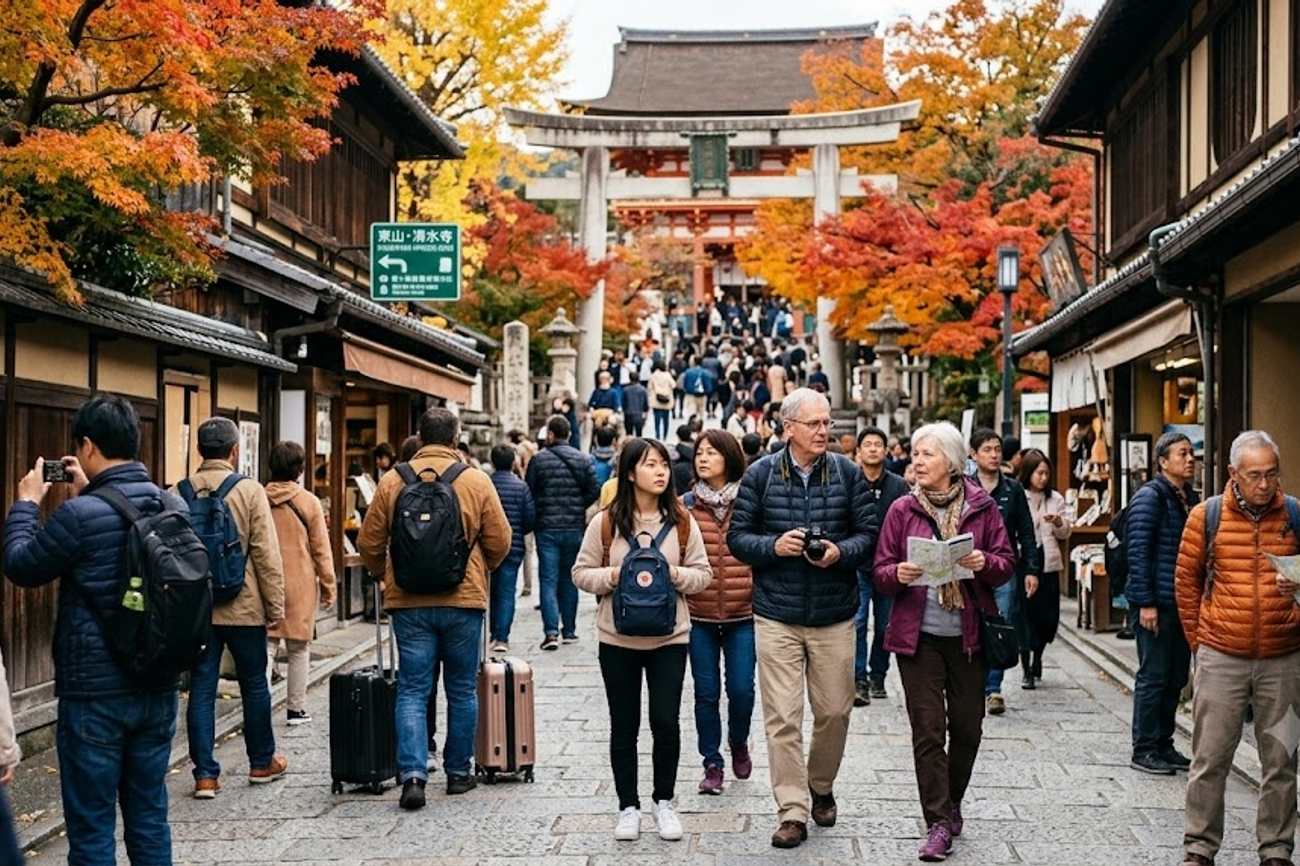
Image generated by AI
[Singapore, October 2025] — Asia is projecting a massive surge in international tourism for the autumn 2026 season, driven by a strategic convergence of improved aviation connectivity and a heightened global demand for nature-based and cultural travel.
Regional tourism boards and aviation stakeholders are preparing for a high-volume influx of visitors across East Asia, Southeast Asia, and South Asia. The projected boom centers on a shift toward "experience-led" travel, where tourists are prioritizing seasonal weather windows, heritage festivals, and outdoor adventure over traditional sightseeing. This trend is expected to put significant pressure on hospitality infrastructure and flight capacity across key hubs.
The Drivers of the 2026 Autumn Surge
The anticipated spike in arrivals is not accidental but the result of several intersecting factors. First, a renewed focus on "slow travel" and nature tourism is pushing visitors toward the autumn foliage of East Asia and the cooler highlands of Southeast Asia. Second, the expansion of regional flight networks and the recovery of long-haul routes from North America and Europe are making these destinations more accessible.
Cultural catalysts are also playing a primary role. The continued global expansion of "K-culture" is funneling younger demographics into South Korea, while Japan's enduring appeal as a premier autumn destination remains a cornerstone of the region's strategy. In Southeast Asia, a shift toward wellness tourism and "affordable luxury" is attracting a diverse demographic from the Middle East and India.
Furthermore, the rise of alternative destinations—such as Uzbekistan for Silk Road heritage and Bhutan for sustainable, high-value tourism—indicates a diversifying market where travelers are seeking destinations beyond the traditional tourist traps.
Market Breakdown: Impacted Regions and Routes
The following table details the specific drivers and expected source markets for the primary destinations identified for the Autumn 2026 peak.
| Destination | Primary 2026 Growth Drivers | Key Experiences | Primary Source Markets |
|---|---|---|---|
| Japan | Foliage, Heritage, Connectivity | Kyoto Temples, Mt. Fuji, Tokyo Events | USA, India, S. Korea, Europe |
| South Korea | K-Culture, Mountain Tourism | Seoul Districts, Nami Island, Seoraksan | China, Japan, India, USA |
| Thailand | Wellness, Luxury, Cooler Weather | Bangkok, Chiang Mai, Phuket | India, China, Europe, Middle East |
| Vietnam | Heritage, Affordable Luxury | Ha Long Bay, Sapa, Hoi An | S. Korea, China, India, Europe |
| Indonesia | Beyond-Bali Exploration | Java Volcanoes, Komodo, Flores | Australia, India, China, Europe |
| Malaysia | City Breaks, Rainforests | Kuala Lumpur, Penang, Sabah | China, India, Singapore, Middle East |
| Singapore | Gastronomy, Stopover Travel | Marina Bay, Cultural Districts | India, China, Australia, Indonesia |
| Sri Lanka | Wildlife, Tea Plantations | Ella, Kandy, Coastal Areas | India, Europe, Middle East, SE Asia |
| Bhutan | Sustainable/Premium Travel | Himalayan Trekking, Monasteries | India, USA, Europe, SE Asia |
| Philippines | Marine Tourism, Diving | Palawan, Cebu, Boracay | S. Korea, Japan, USA, Australia |
| Taiwan | Urban-Nature Hybrid | Taipei, Alishan, Night Markets | Japan, S. Korea, USA, SE Asia |
| Uzbekistan | Silk Road Heritage | Samarkand, Bukhara, Khiva | Europe, Asia, Middle East |
Practical Traveler Advisory and Strategic Insights
For the individual traveler, this projected boom translates to a high-competition environment for bookings and a need for advanced logistics planning.
Flight Availability and Pricing: With a massive influx of passengers from the US, Europe, and India, flights into major hubs like Tokyo Haneda (HND) and Singapore Changi (SIN) are expected to reach peak capacity. Travelers should anticipate higher airfares and limited seat availability if booking within 90 days of departure.
Crowd Management: Iconic sites—specifically Kyoto's temples and Tokyo's autumn parks—are expected to face extreme congestion. Travelers should plan for "overtourism" scenarios in Japan and South Korea, where local governments may implement crowd-control measures or timed entry tickets for popular national parks.
Weather and Safety Risks: While autumn offers cooler temperatures, the season remains volatile. Travelers to Taiwan and the Philippines must remain vigilant regarding typhoon activity and autumn storm patterns, which can lead to abrupt flight cancellations and itinerary shifts.
Booking Windows: For destinations with controlled entry, such as Bhutan, the "limited-volume" model means that capacity will be reached months in advance. Standard hotel bookings in South Korea's national parks and Japan's hot spring (onsen) towns will likely require reservations 6-12 months prior to arrival.
Infrastructure and Regulatory Outlook
To manage this surge, regional governments are investing heavily in infrastructure. The International Civil Aviation Organization (ICAO) and regional aviation authorities are monitoring the increase in slot demands at primary airports. There is a concerted effort to move tourists away from "over-saturated" zones—such as Bali in Indonesia—and toward emerging regions like Flores and the Java volcano routes.
In Bhutan, the commitment to sustainable tourism remains firm. The government continues to utilize a daily sustainable development fee to prevent the environmental degradation often associated with mass tourism. Similarly, Uzbekistan is upgrading its heritage sites in Samarkand and Bukhara to accommodate a growing number of history-focused travelers from Europe and the Middle East.
The aviation sector is also adapting. Airlines are expected to increase frequencies on regional routes to support "multi-city" itineraries, allowing travelers to combine visits to Singapore, Malaysia, and Thailand in a single trip. This shift toward regional connectivity is designed to distribute the tourist load more evenly across Southeast Asia.
FAQ: Asia Autumn Travel 2026
When is the best time to visit Japan and South Korea for autumn colors? Peak foliage typically occurs from late September through November. However, timing varies by latitude; northern regions and high-altitude mountains like Seoraksan in Korea or Mt. Fuji in Japan peak earlier than the cities of Tokyo and Seoul.
Do I need special permits for Bhutan or Uzbekistan? Bhutan requires a visa and the payment of a mandatory sustainable development fee. Uzbekistan has simplified its visa process for many nationalities, but travelers should verify current requirements via official government portals before booking.
How do I avoid the crowds in Kyoto and Seoul? Travelers are encouraged to visit "secondary" cities or explore rural districts. In Japan, consider the Tohoku region; in South Korea, look toward traditional villages outside the Seoul metropolitan area to avoid peak congestion.
Is autumn a safe time to visit the Philippines or Taiwan? While generally pleasant, this period can coincide with typhoon season. It is strongly recommended to purchase comprehensive travel insurance that covers weather-related cancellations and to monitor updates from local meteorological agencies.
Travelers should secure bookings immediately to avoid the inevitable price spikes of the 2026 autumn peak.
Related Travel Guides
This article is for informational purposes. Flight routes, passenger regulations, visa rules, and transit advisories are subject to change by airlines and aviation authorities. Readers are advised to verify schedules and travel documentation with relevant carriers and border agencies before departure.
Related Stories

Delta's Austin–Arkansas Flights Reshape Regional Tourism Economics: Day Trips, Late Arrivals, and Visitor Spending 2027

UK Noise Pollution Rankings 2026: Salford Loudest City While Scotland's Perth and Kinross Emerges as Ultimate Peaceful Travel Retreat