Argentina and Other American Nations Build Free Education Models Supporting Future Tourism and International Student Growth

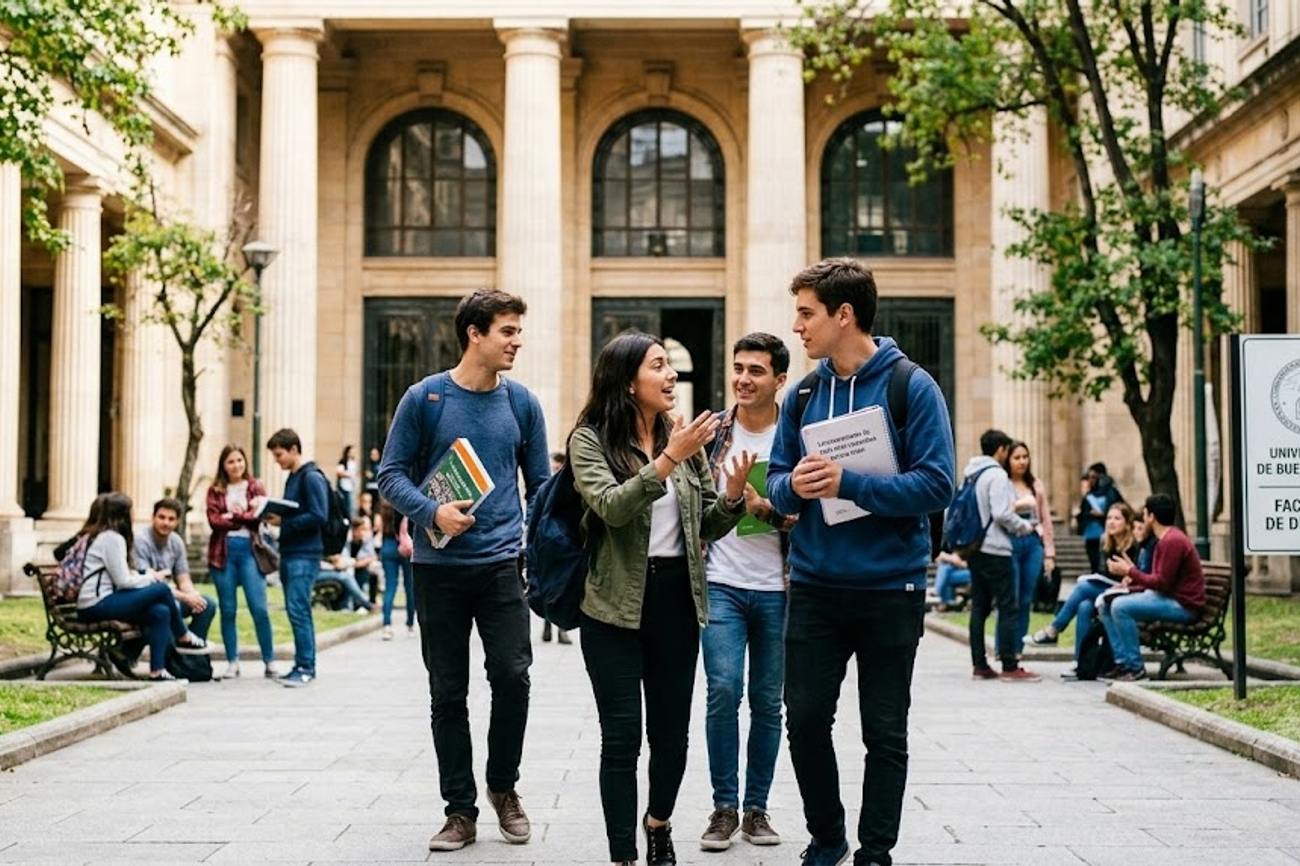
Image generated by AI
Five nations across the Americas—Argentina, Uruguay, Brazil, Cuba, and Trinidad and Tobago—have established fully state-funded education pipelines that eliminate tuition barriers from early childhood through the university level. This structural removal of financial friction does more than serve domestic social goals; it creates a powerful, untapped mechanism for "education tourism," shifting the travel paradigm from short-term leisure visits to multi-year residential stays. By decoupling academic advancement from tuition costs, these states are inadvertently positioning themselves as hubs for a new class of long-stay global nomads: the academic migrant.
The Mechanics of State-Funded Academic Mobility
The intersection of public policy and travel logistics is most evident in the South American cone. Argentina and Uruguay operate models where the state assumes the total cost of higher education, a policy that transforms the university campus into a primary point of entry for international visitors. In Argentina, the national university system allows for tuition-free study, which historically draws students not just from neighboring states but from across the globe to urban centers like Buenos Aires, Córdoba, and Mendoza.
Uruguay follows a similar trajectory, anchored by the University of the Republic. Because the state funds education from pre-primary levels through the university degree, the country reduces the "cost of entry" for international researchers and students. This creates a symbiotic relationship between the Government of Uruguay and the tourism sector, as academic visitors typically possess higher spending power over longer durations than the average cruise ship passenger or weekend tourist.
In Brazil, the model is concentrated in federal and state universities. While admission is notoriously competitive, the absence of tuition fees at these institutions makes Brazil a magnet for academic exchanges. This is particularly true for specialized research in biodiversity and tropical medicine, which attracts a steady flow of global experts who integrate into the local economy for years at a time.
| Country | Education Coverage | University Access Model | Tourism Potential | Primary Impact Zone |
|---|---|---|---|---|
| Argentina | Early Childhood to University | Free National Universities | Very High | Buenos Aires, Córdoba, Mendoza |
| Uruguay | Pre-primary to University | Free Public Institutions | High | Montevideo |
| Brazil | Early Childhood to Higher Ed | Free Federal/State Universities | High | Research Centers/Major Cities |
| Trinidad & Tobago | Preschool to Tertiary | Free Accredited Public/Select Private | Medium-High | Caribbean Regional Hubs |
| Cuba | Early Childhood to University | Fully State-Funded | Medium | Academic Exchange Programs |
| Guyana | Primary/Secondary (Tertiary expanding) | Restored Free University Plans | Medium | Regional Education Travel |
| Mexico | Early Ed to Higher Ed Support | Subsidized/Low-cost (Variable) | Medium | Heritage Cities/Public Universities |
| Bolivia | Primary and Secondary | Subsidized (Variable University costs) | Medium | Regional Student Mobility |
Expert Analysis: The Shift from Leisure to Residential Tourism
For the modern traveler and the global nomad, the data suggests a pivot in how "destination appeal" is calculated. Traditionally, tourism boards focused on beaches, monuments, and hospitality infrastructure. However, the presence of free university systems introduces a "residential anchor." When a student or researcher moves to Argentina or Brazil for a degree, they are no longer a tourist in the traditional sense—they are a long-term consumer.
The direct consequence for the local economy is a shift in spending patterns. A leisure tourist spends heavily on hotels and guided tours for seven days. An education tourist spends moderately on rent, groceries, local transport, and domestic travel for three to five years. This creates a more stable, recession-resistant revenue stream for the host city. Furthermore, the "multiplier effect" is significant: every international student brings a trailing ecosystem of visiting parents, siblings, and academic peers who enter the country on short-term visas, fueling the hospitality sector during graduation cycles and holidays.
However, the pricing pressure this creates is nuanced. While tuition is free, the cost of living in cities like Montevideo or Buenos Aires becomes the primary barrier. For travelers booking these routes, the "free" nature of the education is only one part of the equation; the real value lies in the arbitrage between their home currency and the local cost of living.
Argentina has introduced free education models to attract international students, which is expected to boost tourism and economic growth in the country. The Argentine Ministry of Education has implemented various programs to support foreign students, including scholarships and language courses. This initiative is likely to increase the number of international students visiting Argentina, contributing to the growth of the tourism industry.
The regulatory bottleneck remains the visa. While the International Air Transport Association (IATA) manages the technicalities of how people move, the actual volume of education tourism is dictated by national immigration policies. If a country offers free university but maintains a restrictive or bureaucratic student visa process, the economic potential of its education system remains locked. For countries like Trinidad and Tobago and Guyana, the current push toward free tertiary education is a strategic play to capture regional mobility within the Caribbean and South American blocs, effectively turning their nations into intellectual transit hubs.
Key Takeaways
- Long-Stay Anchors: Free university systems in Argentina, Uruguay, and Brazil act as "residential anchors," converting short-term visitors into multi-year economic contributors.
- Economic Multiplier: Education tourism generates indirect revenue through "trailing visitors"—family members and academic colleagues who visit for graduations and research symposia.
- Competitive Entry: In Brazil, while tuition is free at federal levels, high competition for seats acts as a natural filter, attracting high-skill international researchers.
- Regional Hubbing: Trinidad and Tobago and Guyana are leveraging expanded tertiary support to attract regional students, blending academic travel with Caribbean tourism.
- Logistical Dependencies: The success of this model depends entirely on the alignment of free tuition with streamlined visa policies and affordable urban infrastructure.
FAQ: Education Tourism in the Americas 2024
Can international students actually study for free in Argentina? Yes, many national universities in Argentina offer tuition-free education to international students, though they must meet specific admission requirements and handle their own living expenses and visa costs.
Which Caribbean countries offer the best academic tourism opportunities? Trinidad and Tobago is a leader in this space, providing government-backed free tuition at accredited public institutions, which attracts students from across the region.
Is university education completely free in Mexico? Not universally. While basic education is free and compulsory, university fees in Mexico vary by institution; many are heavily subsidized or low-cost, but not entirely free for all.
What is the difference between "leisure tourism" and "education tourism"? Leisure tourism focuses on short-term consumption of sites and services. Education tourism involves long-term residency, creating a sustained impact on local housing, food, and transport markets.
The classroom is becoming the new gateway to the globe, turning degrees into the ultimate travel visa.
Tags: Argentina Education Policy, Brazil Federal Universities, University of the Republic Uruguay, Caribbean Academic Mobility, South American Student Visas, Education Tourism 2024
Related Travel Guides
This article is for informational purposes. Flight routes, passenger regulations, visa rules, and transit advisories are subject to change by airlines and aviation authorities. Readers are advised to verify schedules and travel documentation with relevant carriers and border agencies before departure.
Related Stories

Delta's Austin–Arkansas Flights Reshape Regional Tourism Economics: Day Trips, Late Arrivals, and Visitor Spending 2027

UK Noise Pollution Rankings 2026: Salford Loudest City While Scotland's Perth and Kinross Emerges as Ultimate Peaceful Travel Retreat