
Japan and Other Asian Countries Reveal Hidden Zodiac Travel Gems Where Every Star Sign Finds Its Perfect Escape
Japan and Other Asian Countries Reveal Hidden Zodiac Travel Gems Where Every Star Sign Finds Its Perfect Escape

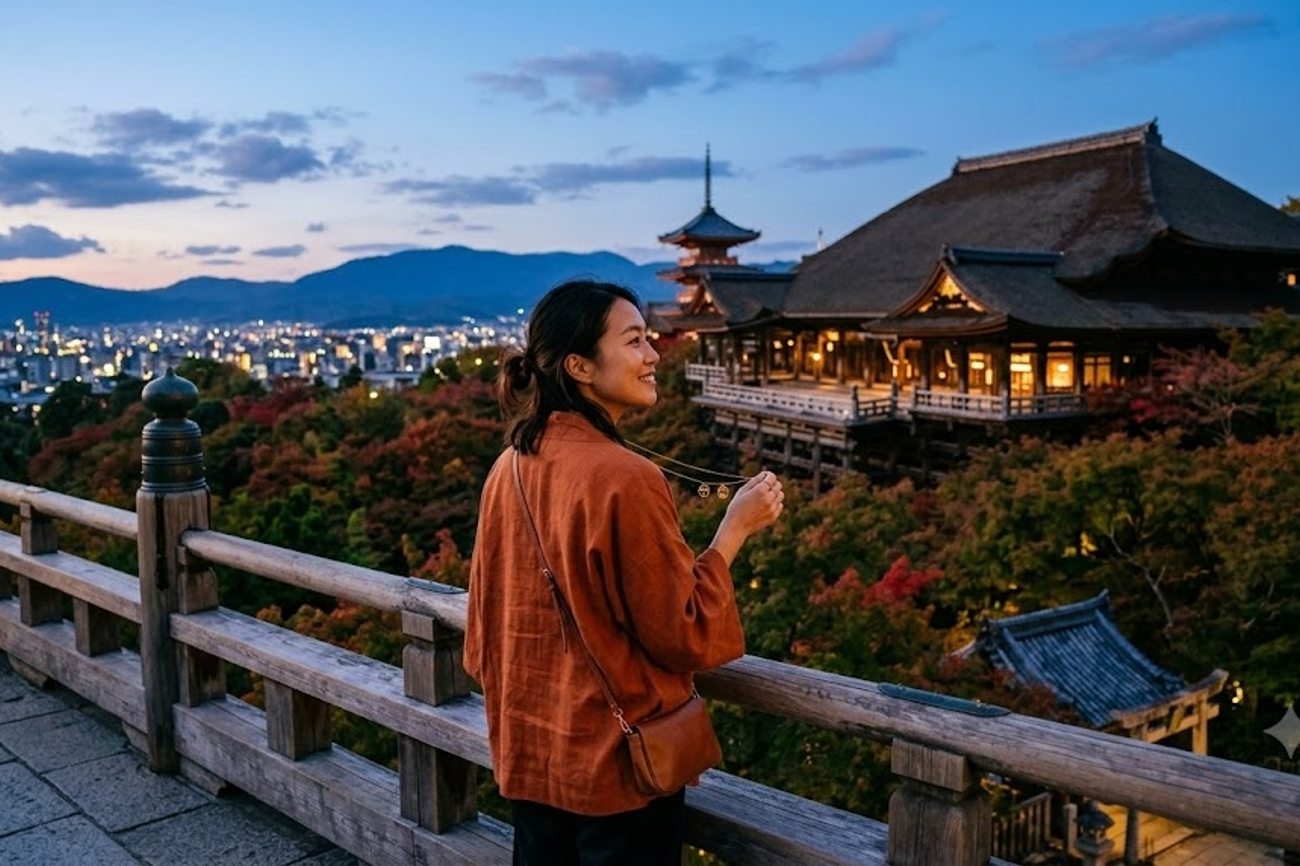
Image generated by AI
Zero traditional tourist itineraries are the target of a new psychological travel movement across Asia, as destinations in Japan, India, Vietnam, South Korea, Taiwan, and Thailand pivot toward "zodiac-inspired" curation. This strategic shift moves away from generic sightseeing toward hyper-personalized, personality-driven travel, where the destination is selected based on the perceived emotional and behavioral traits of a traveler's star sign. By aligning specific geographical attributes—such as the powder snow of Niseko or the colonial architecture of Pondicherry—with astrological archetypes, regional tourism boards are attempting to create a deeper, more instinctive connection between the visitor and the location.
The Psychology of Archetypal Tourism
The emergence of zodiac-based travel is not merely a marketing gimmick but a response to a broader trend in the travel industry: the demand for "meaningful journeys." Modern travelers are increasingly rejecting the "top 10" lists provided by mainstream guides in favor of experiences that mirror their internal identity. This approach leverages the concept of the "travel persona," where the destination acts as a mirror to the traveler's personality.
By categorizing destinations into archetypes—such as the "Adventure Seeker" (Aries), the "Culture Lover" (Virgo), or the "Nature Enthusiast" (Libra)—Asian tourism markets are diversifying their appeal. This strategy encourages visitors to venture into "lesser-known corners" of the continent, effectively redistributing tourist traffic away from overcrowded hubs like Tokyo or Bangkok and toward secondary cities and regional provinces. This decentralization is a key goal for many national tourism organizations seeking to spread economic benefits across a wider geographic area.
Regional Mapping: Astrology and Geography
The alignment of specific Asian cities with zodiac signs creates a map of emotional experiences. The following breakdown illustrates how specific regional characteristics are being marketed to specific personality types.
| Zodiac Sign | Destination | Country | Primary Appeal | Core Experience |
|---|---|---|---|---|
| Aries | Niseko | Japan | High-Octane Adventure | Powder skiing, snowboarding, hot springs |
| Taurus | Pondicherry | India | Aesthetic Tranquility | French colonial architecture, seaside retreats |
| Gemini | Kaohsiung | Taiwan | Urban Creativity | Night markets, art spaces, social interaction |
| Cancer | Kochi | India | Emotional Heritage | Kerala coastal culture, historic neighborhoods |
| Leo | Da Nang | Vietnam | Vibrant Celebration | Golden beaches, nightlife, culinary exploration |
| Virgo | Kanazawa | Japan | Disciplined Tradition | Edo-period districts, traditional crafts |
| Libra | Chiang Rai | Thailand | Visual Harmony | Spiritual temples, mountain landscapes |
| Scorpio | Gyeongju | South Korea | Historical Mystery | Archaeological sites, ancient temples |
For those planning a trip to Japan, the Japan National Tourism Organization provides extensive resources on regional hubs like Niseko and Kanazawa. Similarly, travelers heading to the Indian coast can find official guidance through Incredible India, which highlights the unique cultural fusion of Pondicherry and Kochi.
Expert Analysis: The Commercialization of Identity
For travelers booking these routes, the direct consequence is a shift in how "value" is perceived. We are seeing a transition from destination-based value (e.g., "I want to see the Eiffel Tower") to identity-based value (e.g., "I want an experience that reflects my nature as a Scorpio"). This is a sophisticated psychological play that increases brand loyalty; when a traveler feels a destination "understands" them, they are more likely to engage in longer stays and higher spend.
The pricing pressure this creates means that "niche" destinations may see a rise in boutique, high-end offerings tailored to these personas. For instance, Niseko is already one of the most expensive ski destinations in Asia. By branding it as the "Aries" destination, operators can justify premium pricing by framing the cost not as a fee for a hotel room, but as an investment in a "personality-aligned adventure."
Furthermore, this trend signals a move toward the "algorithmic" curation of travel. While currently presented as astrology, this is the precursor to AI-driven itineraries that use behavioral data to suggest destinations. The zodiac is simply the current cultural shorthand for this personalization. The risk for the traveler is the "filter bubble" effect: by only visiting places that "match" their personality, they may miss the transformative power of travel, which historically comes from encountering the unfamiliar and the challenging.
Key Takeaways
- Diversification of Traffic: The zodiac-inspired model is designed to push tourists toward secondary cities (e.g., Kaohsiung and Gyeongju) to alleviate overtourism in primary capitals.
- Psychological Marketing: Tourism boards are pivoting from selling "sights" to selling "emotional connections," aligning geography with personality archetypes.
- Regional Specialization: Destinations are being branded by their dominant atmospheric trait—Niseko for adrenaline, Kanazawa for precision, and Chiang Rai for balance.
- Identity-Driven Spend: This trend encourages travelers to seek "meaningful" experiences, which often translates to a higher willingness to pay for curated, boutique services.
FAQ: Zodiac Travel Asia 2024
Is zodiac travel a formal tour package? No, it is currently a conceptual guide used by tourism boards and platforms to help travelers choose destinations based on personality traits rather than a fixed, pre-packaged itinerary.
Which Asian destination is best for history buffs? Based on the zodiac mapping, Gyeongju in South Korea is the primary recommendation for those seeking deep historical mystery and archaeological discovery.
Are these destinations accessible for first-time visitors to Asia? Yes. Cities like Da Nang and Kaohsiung have robust infrastructure. Travelers can check flight availability and regional logistics via the International Air Transport Association (IATA).
Does this travel style require a specific budget? It varies. While some destinations like Pondicherry offer affordable retreats, others like Niseko are premium markets. Budgeting should be based on the specific city's cost of living.
The map of Asia is being redrawn, not by borders, but by the stars.
Tags: Niseko-Japan, Pondicherry-India, Gyeongju-South-Korea, Kaohsiung-Taiwan, Da-Nang-Vietnam, Zodiac-Tourism-2024
Related Travel Guides
- Shanghai Cruise Tourism Surges as China Links South Korea, Japan and Thousands of Foreign Travellers
- Arizona Travel Alert: Tucson Weather Challenges Desert Tourism With Heat and Storm Risks
- US Tourism Slump Now at Peak as Overseas Visitor Numbers Vanish, While UK Sees Liquid American Travellers Demand: A Comparative Analysis
Disclaimer
This article is for informational and educational purposes only. It does not constitute legal, financial, or professional advice. While we strive to provide accurate and up-to-date information, travel policies, regulations, and conditions change rapidly. Always verify information with official sources before making travel decisions. Nomad Lawyer makes no representations about the accuracy, reliability, completeness, or suitability of the information provided. Readers should consult qualified professionals for advice specific to their circumstances. The views expressed in this article are those of the author and do not necessarily reflect the views of Nomad Lawyer.
Kunal K Choudhary
Co-Founder & Contributor
A passionate traveller and tech enthusiast. Kunal contributes to the vision and growth of Nomad Lawyer, bringing fresh perspectives and driving the community forward.
Learn more about our team →