
Arizona Travel Alert: Tucson Weather Challenges Desert Tourism With Heat and Storm Risks
Arizona Travel Alert: Tucson Weather Challenges Desert Tourism With Heat and Storm Risks

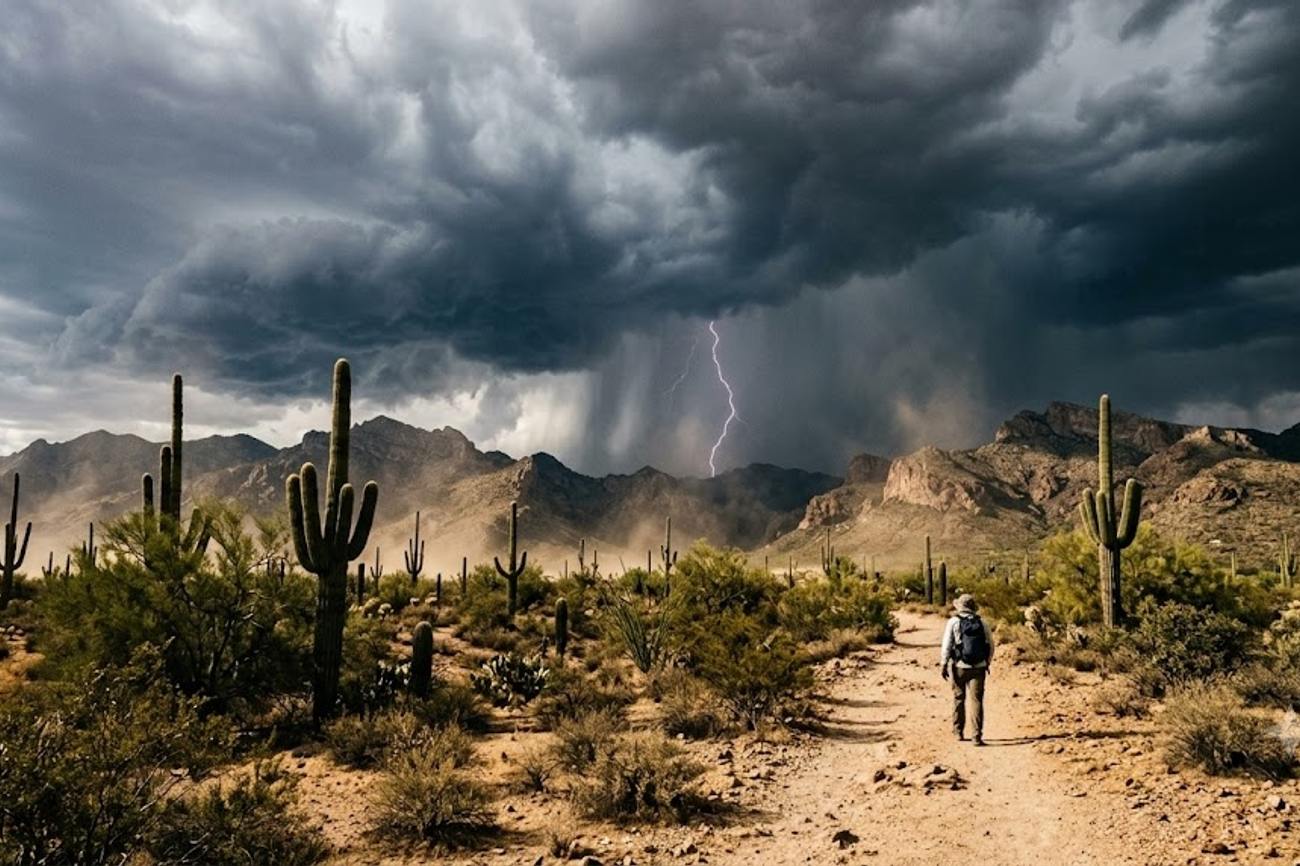
Image generated by AI
Are you planning a trip to the Sonoran Desert during the volatile transition from summer to autumn? If you are heading to Tucson, you need to understand that the region is currently navigating extreme heat—often reaching the upper 90s Fahrenheit—coupled with unpredictable monsoon activity that can turn a clear morning into a flash-flood emergency by mid-afternoon.
Navigating the Sonoran Desert Climate Shift
Tucson is currently experiencing a phase where extreme desert conditions and seasonal monsoon storms are fundamentally altering the logistics of outdoor tourism. For the uninitiated traveler, the primary challenge is the rapid volatility of the environment. Daytime temperatures consistently hover in the upper 90s Fahrenheit, creating a high-risk environment for heat exhaustion if itineraries are not strictly managed.
Beyond the heat, the monsoon transition period introduces sudden thunderstorms. These are not typical rain showers; they are characterized by heavy rainfall, intense lightning, and a significant risk of flash flooding. This weather pattern creates a paradox for the traveler: while the storms produce the dramatic sunsets and temporary greenery that make the region famous, they also create hazardous road conditions and slippery trails that can trap unprepared visitors in remote areas.
Regional Transit and Attraction Access
While the city remains a premier destination for its UNESCO City of Gastronomy status and unique landscapes, the timing of your movements is now the most critical part of your logistics plan.
| Destination | Primary Activity | Optimal Visit Window | Climate Risk | Status |
|---|---|---|---|---|
| Saguaro National Park | Hiking/Photography | 5:00 AM - 10:00 AM | Extreme Heat/Flash Floods | Open |
| Mount Lemmon | High-Altitude Trekking | Mid-Day (Cooler) | Rapid Weather Shifts | Open |
| Sabino Canyon | Nature Trails | Early Morning | Heat/Monsoon Runoff | Open |
| Arizona-Sonora Desert Museum | Wildlife/Botany | Morning or Late Afternoon | High UV Exposure | Open |
| Tucson Botanical Gardens | Horticulture | Sunset/Evening | High Heat | Open |
Traveler Logistics Guide
To navigate Tucson safely during this period, you must move away from traditional "sightseeing" schedules and adopt a desert-specific operational rhythm.
1. The "Split-Day" Itinerary Strategy Do not plan any strenuous outdoor activity between 11:00 AM and 5:00 PM. The heat in the upper 90s Fahrenheit is physically taxing and increases the risk of dehydration.
- 05:00 - 10:00: High-exertion activities (Saguaro National Park hiking, desert trails).
- 11:00 - 16:00: Indoor cultural attractions, museum visits, or culinary experiences in the city center.
- 17:00 - Sunset: Low-impact outdoor activities, scenic drives, and photography.
2. Ground Transport and Road Safety Monsoon storms can create immediate road hazards. If you are driving toward the Santa Catalina Mountains or Mount Lemmon, you must check real-time updates via the Arizona Department of Transportation (ADOT). Be aware that mountain weather differs drastically from the valley floor; a clear sky in downtown Tucson does not guarantee safe passage to higher elevations. If you encounter flowing water across a road, do not attempt to cross it—flash floods in the Sonoran Desert are lethal and move with extreme velocity.
3. Hydration and Gear Logistics Standard water intake is insufficient for the Tucson climate. You should carry a minimum of one gallon of water per person per day for any outdoor excursion. Use UV-protective clothing and high-SPF sunscreen. For those utilizing National Park Service (NPS) trails, ensure you have a physical map or offline GPS, as storm activity can occasionally interfere with cellular signals in deep canyons.
4. Digital Monitoring Relying on a general 5-day forecast is a mistake in the desert. Use hyper-local radar to track monsoon cells. If you see towering cumulonimbus clouds building over the mountains in the afternoon, terminate your hike immediately.
Regional Connectivity Impact
The shift in weather patterns is forcing a reconfiguration of how tourism operates in Southern Arizona. Local businesses and tour operators are pivoting toward "flexible experiences." This means a surge in evening-centric tourism and a heavier reliance on the city's indoor infrastructure.
The connectivity between the valley floor and the highlands is the most vital link for travelers. Mount Lemmon serves as a critical "thermal refuge," offering significantly cooler temperatures and alpine forests. However, this creates a concentrated flow of traffic during peak heat hours, meaning travelers should expect congestion on the winding roads leading up the mountain.
Furthermore, Tucson's status as a UNESCO City of Gastronomy is now a primary driver for mid-day logistics. Travelers are increasingly utilizing the city's diverse Native American, Mexican, and Southwestern culinary scene to fill the dangerous heat window, shifting the economic weight of tourism from the trails to the city's dining districts.
FAQ: Tucson Transit & Safety 2024
Do I need a special permit for Saguaro National Park? Standard entry fees apply, but no special transit permit is required for basic visitation. However, always check the NPS website for current trail closures due to monsoon damage or extreme heat warnings.
How long should I allow for the drive to Mount Lemmon? Allow at least 60 to 90 minutes from downtown Tucson. The road is winding and steep; during monsoon season, visibility can drop rapidly, and road hazards may increase your travel time.
Can I hike the desert trails during the afternoon? It is strongly discouraged. With temperatures in the upper 90s Fahrenheit, the risk of heatstroke is high. Most experienced desert travelers complete their hikes before 10:00 AM.
What happens if I get caught in a monsoon storm while hiking? Immediately move away from canyon floors and dry creek beds (washes) to avoid flash floods. Seek shelter from lightning by avoiding tall cacti or isolated trees and move to lower ground.
Plan for the heat, respect the storms, and the desert will reward you.
#SaguaroNationalPark2024 #TucsonMonsoonLogistics #SonoranDesertTravel #MountLemmonTransit #ArizonaHeatSafety
Related Travel Guides
- US Tourism Slump Now at Peak as Overseas Visitor Numbers Vanish, While UK Sees Liquid American Travellers Demand: A Comparative Analysis
- Europe Travel Enters Luxury River Era as Celebrity Compass Reaches Major Water Milestone
- Mexico City Links Tultitlán, Tultepec, Nextlalpan and Zumpango as AIFA Train Transforms Airport Travel: All You Need to Know
Disclaimer
This article is for informational and educational purposes only. It does not constitute legal, financial, or professional advice. While we strive to provide accurate and up-to-date information, travel policies, regulations, and conditions change rapidly. Always verify information with official sources before making travel decisions. Nomad Lawyer makes no representations about the accuracy, reliability, completeness, or suitability of the information provided. Readers should consult qualified professionals for advice specific to their circumstances. The views expressed in this article are those of the author and do not necessarily reflect the views of Nomad Lawyer.
Raushan Kumar
Founder & Lead Developer
Full-stack developer with 11+ years of experience and a passionate traveller. Raushan built Nomad Lawyer from the ground up with a vision to create the best travel and law experience on the web.
Learn more about our team →