
Jamaica Marks 25 Years of RIU Hotels Partnership, Launching a Strategic Policy Shift to Promote Sustainable Tourism in Jamaica: New Travel Alert
Jamaica celebrates 25 years of partnership with RIU Hotels & Resorts, launching the Tourism 3.0 policy framework to promote sustainable tourism.

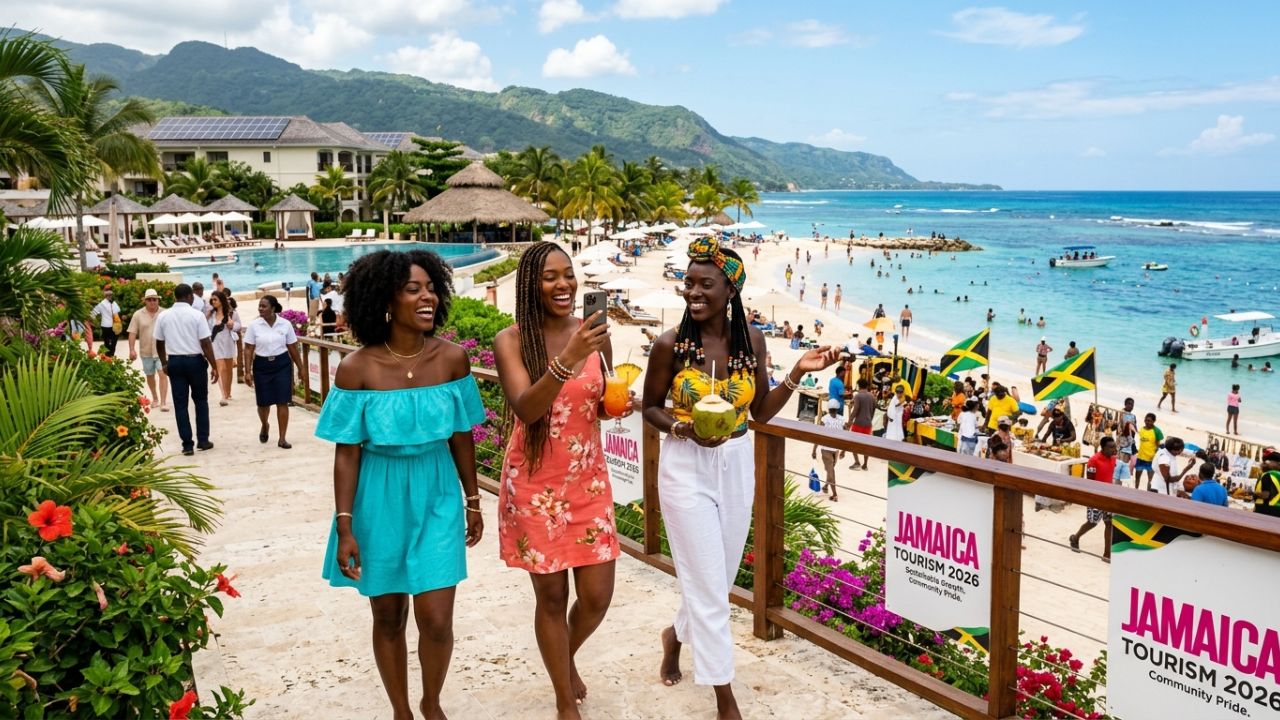
Image generated by AI
Published on June 22, 2026
Jamaica is celebrating a historic 25-year partnership with RIU Hotels & Resorts, highlighting the milestone as a catalyst for expanding regional hospitality and local supply chains. To secure long-term economic retention and community development, the government is actively transitioning to its new 'Tourism 3.0' policy framework. This strategic model is designed to promote sustainable tourism in Jamaica, ensuring that foreign investments translate into direct benefits for local agricultural, manufacturing, and creative sectors.
Quick Summary
- 25-Year RIU Partnership: Jamaica is celebrating a quarter-century of collaboration with RIU Hotels & Resorts, a partnership that has shaped the island’s hospitality infrastructure.
- Tourism 3.0 Strategy: The government is implementing a new policy framework aimed at increasing local economic retention and keeping a larger share of travel revenue within the domestic economy.
- Supply Chain Linkages: Initiatives are focusing on integrating Jamaican agricultural producers, craft vendors, transport operators, and entertainers into the tourism value chain.
- Crisis Resilience: The sector has proven its capacity to recover quickly from external shocks, including coordinating responses to natural disasters like Hurricane Melissa.
- Global Competitiveness: The island is prioritizing cultural authenticity, service quality, and infrastructure upgrades to remain a destination of choice in the Caribbean.
Context Paragraph:
The transition toward a more integrated tourism structure comes as Caribbean nations seek to rebuild economic resilience against external market volatility. By strengthening local supply links, Jamaica’s policymakers aim to maximize the domestic value of international visitor spending. This development highlights the importance of public-private cooperation in establishing a self-sustaining travel sector, a primary goal of the initiatives to encourage sustainable tourism in Jamaica.
Event and Incident Details: Evaluating 25 Years of Hospitality Growth in Jamaica
The 25-year presence of RIU Hotels & Resorts in Jamaica has served as a cornerstone for hotel construction and tourism infrastructure expansion. Over the course of the partnership, investments have focused on resort construction, room capacity expansion, and direct integration with local labor markets. The collaboration has generated thousands of jobs across hotel management, food services, maintenance, and regional transport sectors, while encouraging domestic suppliers to participate in hotel supply chains.
To summarize the key components of this partnership and the Tourism 3.0 transition, refer to the table below:
| Partnership & Policy Element | Operational Details and Strategic Impact |
|---|---|
| Milestone Celebrated | 25 Years of RIU Hotels & Resorts presence in Jamaica |
| Primary Private Partner | RIU Hotels & Resorts (resort construction and operations) |
| New Policy Framework | Tourism 3.0 (shifting from the traditional Tourism 2.0 model) |
| Key Economic Contributions | Foreign exchange stabilization, employment creation, and SME support |
| Supply Chain Integration | Sourcing from local agricultural, manufacturing, and creative sectors |
| Target Infrastructure Zones | Major resort towns and surrounding community supply corridors |
| External Shock Resilience | Coordinated recovery frameworks during disasters like Hurricane Melissa |
A primary focus of Jamaica's tourism development has been the structured integration of local businesses into the hospitality value chain. By sourcing food, beverages, and services from domestic agricultural and manufacturing suppliers, hotel operators can maximize the domestic circulation of foreign exchange earnings. This approach supports small and medium-sized enterprises (SMEs), including craft vendors, transport operators, and entertainment providers, ensuring that international investments support community-level economic growth.
Risk and Impact: Navigating Global Competition and External Shocks
Despite the positive growth indicators, several operational challenges remain active within the Caribbean travel market:
- Vulnerability to Extreme Weather: Natural disasters, such as Hurricane Melissa, require robust emergency coordination to safeguard visitors and minimize operational downtime.
- Intense Regional Competition: Neighboring Caribbean destinations compete actively for North American visitors, tourism investment capital, and hospitality talent.
- Economic Revenue Leakage: Under older tourism models, a substantial portion of travel spending departed the island, making local economic retention a primary focus.
- Workforce Development Requirements: Sustaining high-quality service requires continuous funding for vocational training and employee development programs.
- Supply Chain Capacity Limits: Coordinated logistics are necessary to ensure that local agricultural producers can consistently meet the high volume requirements of international resort chains.
What Officials and Developers Say About Promoting Sustainable Tourism in Jamaica
Public officials and tourism representatives emphasize that foreign investments must align with national developmental goals. In updates from the official Jamaica Tourist Board portal, authorities highlighted that the transition to Tourism 3.0 is a long-term strategy to ensure equitable economic distribution. Executives from the RIU Hotels & Resorts official portal confirmed their commitment to hiring local workers and sourcing regional goods. Tourism coordinators point out that balancing global competitiveness with local inclusion is essential to promote sustainable tourism in Jamaica, ensuring the industry remains socially beneficial.
At the same time, regional planners emphasize that industry resilience is rooted in public-private cooperation. By working together during crises, such as storm recovery efforts, the government and resort operators protect the destination's market reputation. These collaborative efforts ensure that the physical infrastructure and local supply networks remain functional even during global disruptions.
Practical Traveler Advice for Supporting Local Jamaican Businesses
Travelers planning a vacation to Jamaica can actively support the island's sustainable development by adopting the following recommendations:
- Purchase from Certified Local Craft Markets: Buy souvenirs and handmade goods directly from local vendors to support family-owned enterprises.
- Choose Locally Guided Excursions: Hire independent, licensed tour guides and transport operators to ensure your spending remains in the community.
- Confirm Resort Safety Protocols: Verify your accommodation's emergency response plans and weather booking policies, especially when traveling during the storm season.
- Support Culinary Authenticity: Dine at independent local restaurants and food stalls to experience authentic Jamaican cuisine.
- Select Sustainable Hotel Operators: Choose resort chains that demonstrate active partnerships with local farms and environmental conservation programs.
Broader Context: Deepening Economic Linkages and Sustainable Tourism in Jamaica
According to the United Nations World Tourism Organization (UNWTO) guidelines, sustainable tourism must balance economic growth, environmental protection, and community welfare. Jamaica’s transition to the Tourism 3.0 model serves as a case study for other Caribbean island nations aiming to reduce economic leakage. By connecting major hotel developments with domestic sectors like agriculture and manufacturing, the government is building a more resilient, self-sustaining tourism ecosystem.
This structural shift is vital for protecting natural resources while supporting economic growth. By reducing the reliance on imported goods, the hospitality industry decreases its carbon footprint and strengthens regional trade networks. Deepening these economic connections helps ensure that the benefits of international travel are shared more equitably across the country.
What to Expect Next: Workforce Development and Tourism 3.0 Milestones
The Government of Jamaica plans to expand partnerships with international hospitality brands to build new training academies for local workers. These educational programs will focus on developing skills in culinary arts, resort management, and sustainable environmental practices. Infrastructure projects, including upgrading regional highways and airport terminals, will continue to receive public and private funding.
As the Tourism 3.0 policy framework becomes fully integrated, regular assessments will measure its impact on local business growth and community-level income retention. Tourism planners expect that these combined efforts will secure Jamaica's role as a leading sustainable destination for the next decade.
Conclusion
The 25-year milestone of RIU Hotels' presence highlights the progress of Jamaica's tourism sector. By embracing the Tourism 3.0 model and strengthening local economic linkages, the island is establishing a framework for sustainable growth. Through responsible travel choices and public-private cooperation, Jamaica can continue to welcome the world while supporting the long-term prosperity of its communities.
Related Travel Guides
- Mexico, Indonesia, Thailand, India, and Maldives Lead Global Budget Tourism as Expanded Flights Open Access to Cheap Beach Destinations: New Travel Alert
- Dominican Republic Tourism and Arajet Launch Major Promotional Campaign at Miami’s LoanDepot Park to Showcase Culture and Expand Caribbean Flights: New Travel Alert
- Greece Leads Ranking as Europe’s Sedentary Lifestyle Crisis Sparks Global Wellness Alarm, Threatening Regional Travel and Public Health: New Travel Alert
FAQ: Jamaica Tourism Growth and RIU Hotels Anniversary
What is the significance of the 25-year milestone in Jamaica's tourism?
It marks a quarter-century of partnership with RIU Hotels & Resorts, which has driven resort development, job creation, and infrastructure expansion on the island.
What is Jamaica's Tourism 3.0 policy framework?
It is a strategic model designed to increase local economic retention, expand local ownership, and integrate domestic supply chains (such as agriculture and manufacturing) with the tourism sector.
How does Jamaica's tourism sector manage natural disasters?
The sector utilizes coordinated response frameworks between the government, resort operators, and local communities, as demonstrated during recovery efforts for Hurricane Melissa.
How are local suppliers integrated into the tourism value chain?
Hotel operators source food, craft products, transport, and entertainment directly from local businesses and small and medium-sized enterprises (SMEs).
What travel practices help promote sustainable tourism in Jamaica?
Travelers can support the local economy by hiring local guides, buying from domestic craft vendors, dining at independent restaurants, and choosing eco-friendly hotels.
Disclaimer
This article is for informational and educational purposes only. It does not constitute legal, financial, or professional advice. While we strive to provide accurate and up-to-date information, travel policies, regulations, and conditions change rapidly. Always verify information with official sources before making travel decisions. Nomad Lawyer makes no representations about the accuracy, reliability, completeness, or suitability of the information provided. Readers should consult qualified professionals for advice specific to their circumstances. The views expressed in this article are those of the author and do not necessarily reflect the views of Nomad Lawyer.
Raushan Kumar
Founder & Lead Developer
Full-stack developer with 11+ years of experience and a passionate traveller. Raushan built Nomad Lawyer from the ground up with a vision to create the best travel and law experience on the web.
Learn more about our team →