IT&CM Asia and CTW Asia-Pacific 2026 Brings Global MICE Leaders Together for Three Days in Bangkok

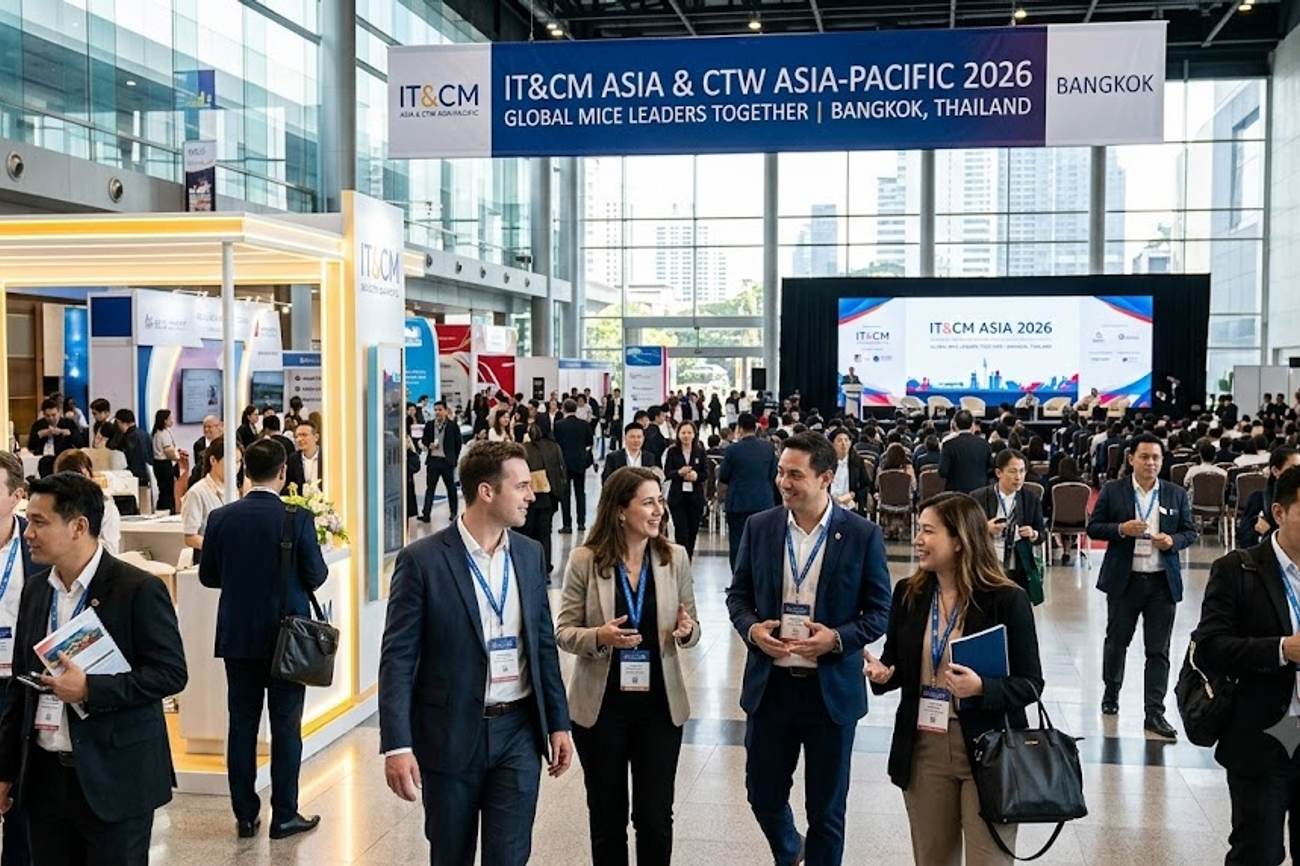
Image generated by AI
1,000 delegates will converge for a three-day intensive in 2026, marking a strategic pivot in how the Asia-Pacific region conceptualizes the Meetings, Incentives, Conventions, and Exhibitions (MICE) sector. This gathering, combining IT&CM Asia and CTW Asia-Pacific, is not merely a trade show but a response to a fundamental shift in corporate travel: the transition from measuring event success by attendance numbers to measuring it by long-term commercial outcomes and duty-of-care resilience.
The Evolution of Corporate Gathering Logic
The traditional MICE model focused on the logistics of the "big event"—hotel room blocks, ballroom capacities, and registration counts. However, the 2026 program signals a departure toward "strategic meetings." This shift is spearheaded by sessions such as The Magic of Meetings & Corporate Travel, led by President Dr. Suparwan Teerarat, which argues that face-to-face interactions must now be engineered for specific commercial value rather than general networking.
For the modern corporate traveler, this means the nature of the trip is changing. Meetings are being redesigned to prioritize relationship depth and tangible business results. The integration of corporate travel (CTW) with the broader MICE framework suggests that airlines and hotels are no longer just vendors; they are now viewed as partners in the strategic outcome of the business trip.
Operational Risks and the Duty of Care Mandate
One of the most significant regulatory and logistical pressures facing the industry is "Duty of Care." As international events grow in complexity, the legal and ethical responsibility of an organization to ensure the safety of its employees is under intense scrutiny. The Global Business Travel Association (GBTA) is set to lead a critical analysis during the event titled "Conference Duty of Care for Modern Meetings & Events: Are We Ready for the Next Disruption?"
This focus is a direct reaction to the volatility of the last few years—ranging from geopolitical instability to health crises. For the traveler, this translates to more rigorous safety protocols, better real-time tracking, and more comprehensive insurance requirements. For the event organizer, it means that a failure in duty of care is no longer just a logistical lapse but a significant legal liability.
Regional Power Plays: The Premier Brand Showcase
The event serves as a battleground for regional influence, with several heavyweight tourism and convention boards vying for the attention of global buyers. The Premier Brand Showcase features a concentrated group of entities:
| Featured Organization | Focus Area | Strategic Objective |
|---|---|---|
| Thailand Convention and Exhibition Bureau (TCEB) | National MICE Infrastructure | Position Thailand as the primary regional hub |
| Hong Kong Tourism Board | Urban Business Integration | Leverage high-density luxury and efficiency |
| Business Events Australia | Continental Reach | Attract long-haul corporate investment |
| Commerce and Investment Promotion Institute of Macao SAR | Specialized Incentives | Pivot Macao toward diversified business travel |
| Gevme | Event Technology | Digitizing the attendee experience |
The competition between these hubs is evident in their experiential offerings. The Hong Kong Pavilion is utilizing "sensory marketing" with dried shrimp roe popcorn and lemon tea cocktails to create an emotional connection with buyers. Similarly, the Pattaya-Chonburi MICE City is integrating wellness into the business cycle via the Pattaya Sensory Journey, offering neck and shoulder massages to combat traveler fatigue.
Expert Analysis: The "Circular" Business Event Model
The most nuanced development in the 2026 program is the partnership between the International Congress and Convention Association (ICCA) and Local Alike. By introducing a Jasmine Garland Workshop, the event is attempting to solve the "extractive" nature of tourism. Traditionally, MICE events extract value from a host city (using its hotels and halls) while leaving little behind for the local population.
The Jasmine Garland initiative creates a circular economy: delegates learn a traditional Thai craft, and the resulting products are gifted to local community members to sell. This is a calculated move to align corporate travel with Environmental, Social, and Governance (ESG) goals.
For travelers booking these routes, the direct consequence is a shift in the "incentive" part of MICE. Corporate retreats are moving away from generic luxury and toward "authentic" engagement. The pricing pressure this creates means that destinations offering genuine community impact will likely command a premium over those offering only standard luxury. We are seeing the birth of "Impact Travel" within the corporate sector, where the ROI is measured not just in contracts signed, but in community footprints left behind.
Key Takeaways
- Shift to Outcomes: The industry is moving from "event attendance" metrics to "commercial value" and long-term relationship outcomes.
- Risk Management: Duty of Care has evolved from a HR checkbox to a primary strategic pillar for international event planning.
- ESG Integration: The use of circular community models, like the Jasmine Garland project, indicates that ESG is becoming a mandatory component of MICE bidding.
- Sensory Competition: Regional hubs (Hong Kong, Pattaya, Macao) are using hyper-local sensory experiences to differentiate their business propositions.
- Technological Layering: The inclusion of Gevme highlights the ongoing transition toward data-driven attendee management and digital networking.
FAQ: Asia-Pacific MICE 2026
What is the primary goal of IT&CM Asia and CTW Asia-Pacific 2026? The event aims to connect over 1,000 global MICE leaders to explore innovation in corporate travel, improve duty of care standards, and foster commercial relationships through a mix of education and destination experiences.
How does "Duty of Care" affect the average business traveler? It means your company is implementing more stringent safety protocols, better emergency communication systems, and more comprehensive risk assessments for your international trips to protect you from unforeseen disruptions.
What makes the 2026 event different from previous trade shows? It integrates "circular impact" models, such as the Jasmine Garland Workshop, which ensures that the business event provides direct financial benefits to the local Thai community rather than just the hospitality industry.
Which cities are competing for MICE leadership in this event? Major players include Bangkok (via TCEB), Hong Kong, Macao, and various Australian business hubs, each showcasing unique infrastructure and sensory experiences to attract global buyers.
The era of the sterile conference room is over; the future of business travel is sensory, strategic, and socially accountable.
Related Travel Guides
This article is for informational purposes. Flight routes, passenger regulations, visa rules, and transit advisories are subject to change by airlines and aviation authorities. Readers are advised to verify schedules and travel documentation with relevant carriers and border agencies before departure.
Related Stories

Antigua and Barbuda Joins Dominica and Montserrat for a Powerful Caribbean Work Escape

Greenville’s Iconic Revival Reveals How Front Royal Can Build A Future-Ready Tourism Experience