CAPA Airline Leader Summit Asia 2026 Brings Aviation Chiefs Together in Hokkaido, Japan


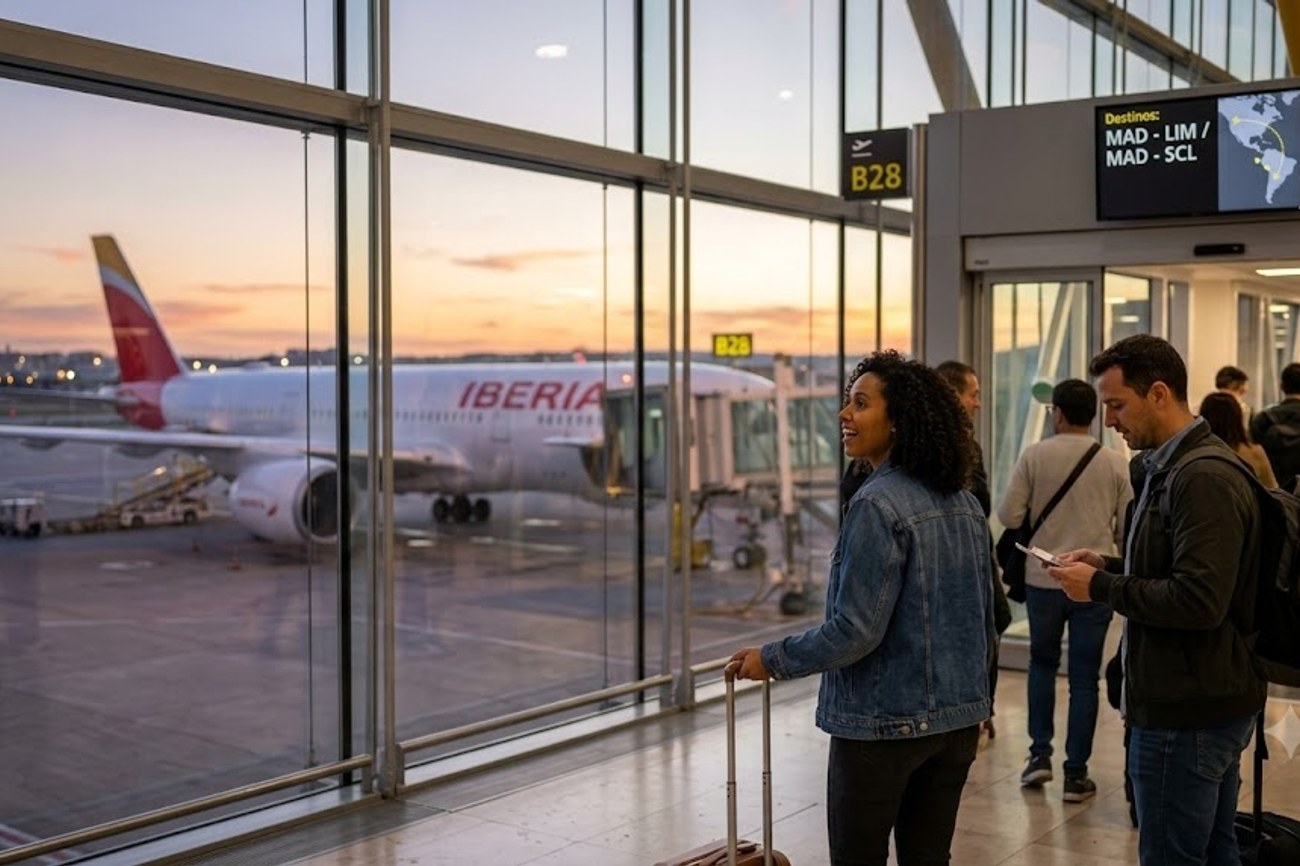
Image generated by AI
[Hokkaido, October 1, 2026] — The most influential figures in Asia-Pacific aviation are convening in Hokkaido, Japan, for the CAPA Airline Leader Summit Asia 2026 to redefine the strategic trajectory of the region's air travel industry.
The two-day event, running through October 2, serves as a high-level closed-door forum for CEOs, aviation executives, and primary industry decision-makers. Organized by the aviation intelligence platform CAPA, the summit focuses on the intersection of network planning, digital transformation, and operational sustainability during a period of volatile passenger demand and shifting competitive dynamics across Asian markets.
The Strategic Catalyst for the Summit
The gathering is triggered by a critical need for alignment among Asia’s largest carriers as they navigate a post-recovery landscape. The industry is currently facing a convergence of pressures: limited aircraft availability, restrictive airport slot constraints, and a rapid shift in consumer expectations regarding digital interaction.
Rather than focusing on a single niche of aviation, the summit is designed as a holistic executive review. The primary objective is to analyze how decisions in one sector—such as the adoption of AI-driven customer service tools—directly impact operational performance and network viability. By bringing together leaders from full-service legacy carriers and low-cost operators, the event aims to synchronize regional strategies on workforce management and fleet economics.
Market Leaders and Affected Entities
The summit's influence is concentrated in the participation of several "mega-carriers" and regional powerhouses. The insights generated here will directly dictate route expansions, pricing strategies, and service standards for millions of passengers across the Asia-Pacific corridor.
The confirmed speaker roster includes the following key executives:
- Thai Airways International: CEO Chai Eamsiri, representing one of Southeast Asia's primary hubs.
- Japan Airlines: CEO Mitsuko Tottori, providing perspective on the domestic and international Japanese market.
- Korean Air and Hanjin Group: Chairman and CEO Walter Cho, overseeing one of the region's most aggressive expansion strategies.
- HK Express: CEO Jeanette Mao, offering insights into the value-oriented and low-cost carrier (LCC) segment.
These leaders represent a diverse cross-section of business models, from the premium-heavy strategies of Japan Airlines to the lean, regional focus of HK Express. Their discussions will specifically target the "Connecting More, Growing Smarter" initiative, which examines how to scale networks without compromising commercial sustainability.
Practical Traveler Advisory and Strategic Insights
While the summit is an executive-level event, the outcomes will manifest in the tangible travel experience for passengers booking flights across Asia in 2026 and 2027.
1. Route Availability and Pricing The focus on "network development" means airlines are moving away from simply adding new destinations. Travelers may see a shift toward "smarter" connectivity—meaning more optimized hub-and-spoke connections and a potential reduction in underperforming direct routes. This could lead to more stable pricing on high-demand corridors but fewer options for niche destinations.
2. Digital Friction Reduction The session "Driving Aviation’s Future: Technology and Consumer Innovation" signals a push toward the total digitalization of the passenger journey. For the traveler, this means a move toward hyper-personalized mobile interfaces and faster airport processing. Expect a reduction in manual touchpoints at check-in and boarding as these CEOs prioritize AI-driven operational tools to manage disruptions in real-time.
3. Service Reliability A significant portion of the summit is dedicated to "behind the scenes" logistics, specifically the crew accommodation model used by Cathay Pacific. While crew hotels seem irrelevant to passengers, efficient crew logistics are the primary defense against flight cancellations caused by crew timing-out or scheduling failures. A regional adoption of more efficient crew models suggests a long-term increase in on-time performance and reduced flight disruptions.
Operational Shifts and Future Timelines
The summit is not merely a discussion forum but a benchmark for the International Air Transport Association (IATA) standards and regional regulatory alignment. The immediate focus following the October 2 conclusion will be the implementation of the "Global Crew Accommodation Model."
Industry analysts expect that the strategies discussed in Hokkaido will be integrated into the winter 2026/2027 flight schedules. The emphasis on "fleet economics" suggests that airlines will be more selective about the aircraft models they deploy to secondary airports, potentially shifting toward more fuel-efficient, mid-sized aircraft to maintain profitability on thinner routes.
Furthermore, the CAPA Aviation Awards for Excellence, held during the summit, will highlight the carriers that have successfully integrated technology without sacrificing service quality. These award-winning strategies typically become the blueprint for other airlines in the region to emulate over the following 12 to 18 months.
FAQ: CAPA Airline Leader Summit Asia 2026
Will the summit lead to new flight routes in Asia? Indirectly, yes. While the summit doesn't announce specific routes, the "Connecting More, Growing Smarter" sessions determine the strategic logic airlines use to open or close destinations based on airport capacity and passenger demand.
How does the focus on "crew accommodation" affect me as a passenger? Better crew logistics mean fewer flights are cancelled due to staffing shortages. When airlines optimize how crews are housed and transported, they reduce the risk of operational collapses during weather events or technical delays.
What technology changes should passengers expect? Expect more integrated mobile experiences. The summit's focus on "consumer innovation" targets the removal of friction in booking and airport processing, leaning heavily on AI for personalized travel management and faster communication.
Who is CAPA and why does this summit matter? CAPA is a leading provider of aviation market intelligence. This summit is critical because it brings together the CEOs of the region's largest airlines to coordinate on issues like workforce shortages and digital infrastructure.
The blueprints for Asian aviation's next decade are being drawn in Hokkaido.
Related Travel Guides
This article is for informational purposes. Flight routes, passenger regulations, visa rules, and transit advisories are subject to change by airlines and aviation authorities. Readers are advised to verify schedules and travel documentation with relevant carriers and border agencies before departure.
Related Stories

Antigua and Barbuda Joins Dominica and Montserrat for a Powerful Caribbean Work Escape

Greenville’s Iconic Revival Reveals How Front Royal Can Build A Future-Ready Tourism Experience