
Greenville’s Iconic Revival Reveals How Front Royal Can Build A Future-Ready Tourism Experience
Greenville’s Iconic Revival Reveals How Front Royal Can Build A Future-Ready Tourism Experience

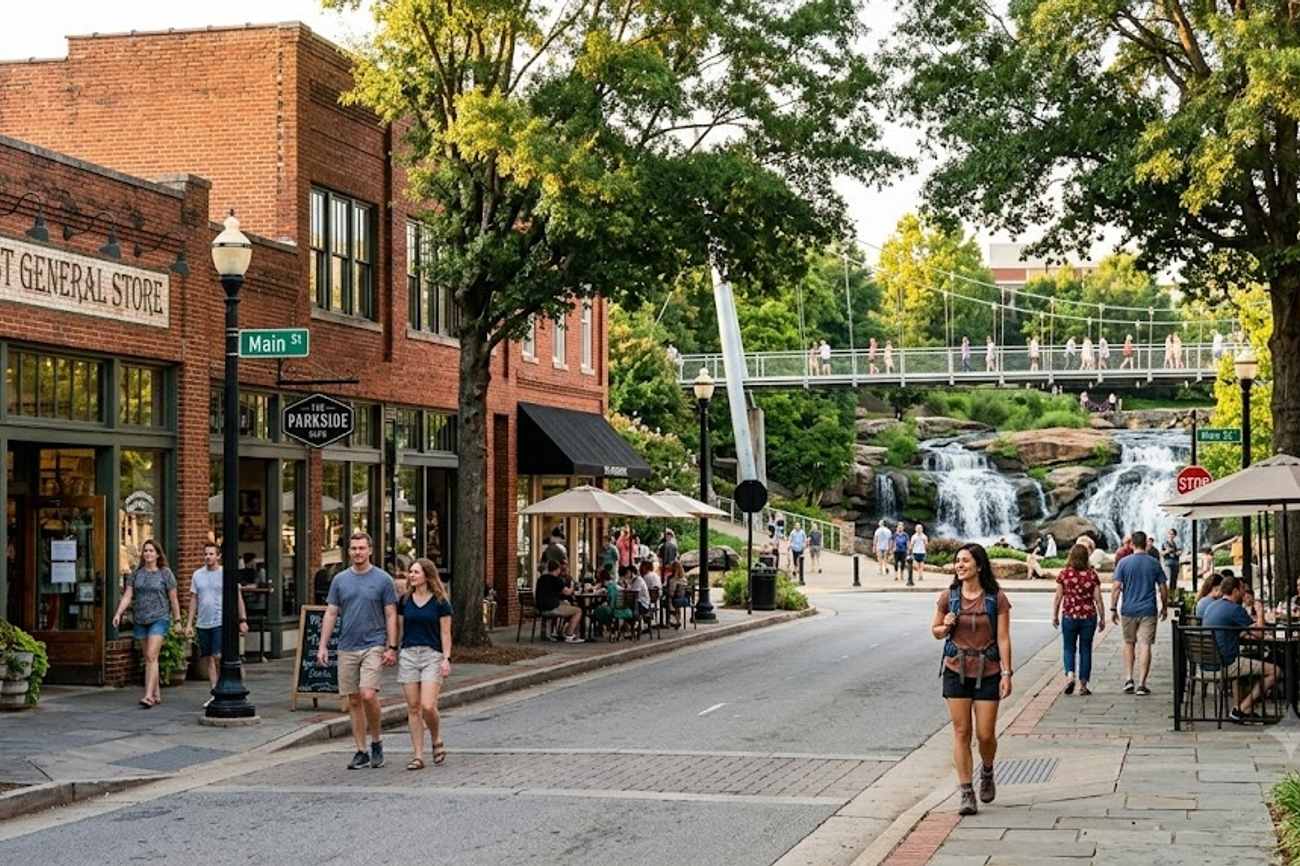
Image generated by AI
[Front Royal, Virginia] — Municipal planners in Front Royal are evaluating a strategic shift toward integrated destination development, utilizing the urban transformation of Greenville, South Carolina, as a blueprint to monetize existing natural assets. The initiative focuses on eliminating physical and psychological barriers between the town's commercial center and its primary geographic draws to increase visitor dwell time and local spending.
The proposal suggests that Front Royal can replicate the economic success of Greenville by transitioning from a collection of isolated attractions to a connected tourism ecosystem. By integrating the Shenandoah River and the Blue Ridge Mountains directly into the urban fabric, the town aims to shift its identity from a transit point for outdoor enthusiasts to a primary destination. This strategy prioritizes the "connectivity" of existing landmarks—such as the Appalachian Trail and Skyline Drive—over the construction of new, artificial attractions.
The Greenville Blueprint
The catalyst for this strategic pivot is the historical evolution of Greenville, South Carolina. Once a textile-dependent industrial hub, Greenville faced severe economic stagnation as manufacturing declined. The city's recovery was not sparked by a single project but by a multi-decade commitment to urban redesign and the reclamation of natural spaces.
The most significant turning point occurred in the early 2000s with the demolition of a four-lane highway bridge that had physically obscured the Reedy River waterfall. By removing this infrastructure and constructing the pedestrian-only Liberty Bridge and Falls Park, the city transformed a hidden natural feature into the central landmark of its downtown district. This move effectively bridged the gap between the city's commercial core and its environment, surrounding the waterfall with a dense network of hotels, restaurants, and retail spaces.
Greenville further solidified this growth by creating a cohesive network of attractions. The integration of Main Street with the West End district, various sports facilities, and the Swamp Rabbit Trail ensured that visitors could navigate the city seamlessly. This network effect encouraged tourists to stay longer and distribute their spending across a wider array of local businesses.
Assets Under Evaluation in Front Royal
Front Royal is currently assessing how to link its existing high-value assets to create a similar "seamless" experience. The town possesses a dense concentration of natural and cultural resources that currently operate in silos.
The following assets are identified as the primary pillars for the proposed integration strategy:
- Waterfront Assets: The Shenandoah River, currently viewed primarily as an access point for water sports, is targeted for redevelopment into a community gathering hub featuring outdoor dining and public seating.
- Mountain & Trail Access: The Blue Ridge Mountains, Shenandoah National Park, and the Appalachian Trail are viewed as critical anchors that need better physical and visual links to the town center.
- Scenic Gateways: Skyline Drive is positioned as the primary gateway for outdoor adventure, which the city hopes to better funnel into the local economy.
- Urban Core: The historic downtown areas, including existing shops, breweries, and wineries, serve as the commercial engine that must be connected to the natural outskirts.
What This Means for Travelers
For the average visitor, this shift in urban planning will result in a transition from "car-dependent tourism" to "pedestrian-centric exploration." Currently, many visitors treat Front Royal as a base camp—parking their cars to visit a trail or the river and then leaving the area. The proposed integration aims to change this behavior.
Direct Impacts for Visitors:
- Increased Walkability: The introduction of new walking and cycling routes will allow travelers to move between the downtown commercial district and the Shenandoah River without needing a vehicle.
- Enhanced Navigation: The implementation of a comprehensive wayfinding system will replace vague directions with clear signage. Visitors will be able to see exactly how many minutes it takes to walk from a downtown hotel to the Appalachian Trail or the riverfront.
- Expanded Public Spaces: Travelers can expect the emergence of "pocket parks," public art installations, and scenic viewpoints in previously overlooked areas of Warren County, providing more resting points and photo opportunities.
- Diversified Dining and Retail: As the city improves connectivity, new outdoor dining and performance spaces are expected to emerge along the river trail network, expanding the options for evening entertainment.
Timeline for Destination Growth
The proposed development follows a gradualist philosophy rather than a rapid overhaul. Drawing from the Greenville model, Front Royal is looking at a phased approach where each small improvement increases the ROI of the next.
The first phase focuses on "low-hanging fruit," such as improving visual signage and enhancing sidewalks to make Main Street more pedestrian-friendly. By increasing the comfort level of pedestrians, the city expects to see a natural rise in the number of local businesses.
The second phase involves the creation of the river trail network. This infrastructure is intended to transform the Shenandoah River from a distant natural feature into an integrated part of the downtown experience. This phase will likely include the installation of seating areas, walking paths, and community event spaces.
The final phase involves the broader integration of Warren County's underused properties. By converting vacant or overlooked lots into community gathering points, the town aims to create a "web" of attractions that keeps visitors within the city limits for longer durations.
FAQ: Front Royal Tourism Development 2024
Will these changes restrict vehicle access to the downtown area? The goal is to increase pedestrian options, not eliminate vehicle access. New walking and cycling routes are intended to complement existing roads, making it easier for those who wish to explore on foot while maintaining accessibility for drivers.
Does this mean new taxes or fees for visitors? The report focuses on urban redesign and the utilization of existing assets. While specific funding mechanisms are not detailed, the strategy emphasizes improving what already exists rather than launching massive, expensive construction projects.
How will this affect access to Shenandoah National Park? Access will remain open, but the city intends to make the transition from the park and Skyline Drive into the town center more intuitive and inviting through better wayfinding and connected trails.
When will the new riverfront amenities be available? The strategy follows a gradual timeline similar to Greenville's multi-decade transformation. Immediate changes will likely be limited to signage and sidewalk improvements, with larger infrastructure like river trails developing over several years.
Front Royal is betting that the shortest path to economic growth is not a new attraction, but a better connection to the nature already at its doorstep.
#FrontRoyal #WarrenCounty #ShenandoahRiver #BlueRidgeMountains #DestinationDevelopment #VirginiaTourism
Related Travel Guides
- Europe Strengthens Direct Air Bridges With Central and South America Through Expanding Flight Networks: All You Need to Know
- Mechelen in Belgium Emerges as a Hidden European Gem With Medieval Castles, Canals and Legendary Beer Culture: All You Need to Know
- Ferrari Exhibition Launches in New Delhi Alongside International Security Advisories
Disclaimer
This article is for informational and educational purposes only. It does not constitute legal, financial, or professional advice. While we strive to provide accurate and up-to-date information, travel policies, regulations, and conditions change rapidly. Always verify information with official sources before making travel decisions. Nomad Lawyer makes no representations about the accuracy, reliability, completeness, or suitability of the information provided. Readers should consult qualified professionals for advice specific to their circumstances. The views expressed in this article are those of the author and do not necessarily reflect the views of Nomad Lawyer.
Kunal K Choudhary
Co-Founder & Contributor
A passionate traveller and tech enthusiast. Kunal contributes to the vision and growth of Nomad Lawyer, bringing fresh perspectives and driving the community forward.
Learn more about our team →