
Italy Tourism Authority Strengthens the Italy Tourism Industry by Investing in Sustainable Regional Travel and Digital Upgrades: Everything You Need to Know
Italy invests in digital ticketing and sustainable travel to manage over-tourism while boosting regional gastronomy and luxury retreats.

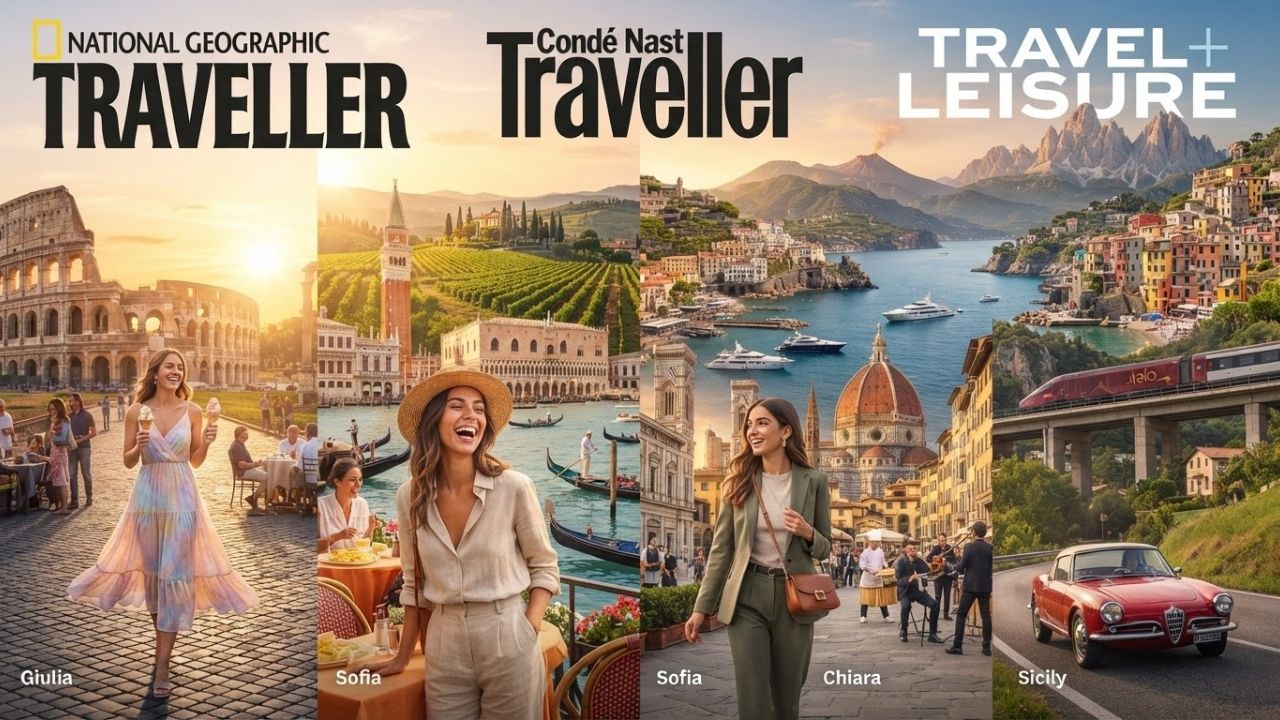
Image generated by AI
Published on July 27, 2026
To meet rising global demand and manage visitor numbers, authorities are launching new digital services and sustainable travel initiatives to support the Italy tourism industry across its historic regions. This nationwide modernization affects international tourists and luxury travelers who must navigate updated museum reservation portals, regional transit links, and eco-certified stays. Vacationers preparing for upcoming trips are advised to utilize these official digital booking tools and explore secondary destinations to enjoy authentic cultural encounters while avoiding major urban crowds.
Quick Summary
- Service Sector Engine: The Italy tourism industry remains a central pillar of the nation's service economy, supporting millions of local small businesses.
- Sustainable Visitor Management: Travel authorities are investing in sustainable tourism to redirect traffic from crowded hubs like Venice and Rome to rural villages.
- Gastronomy and Lifestyle Focus: Regional wine tours, farm stays, and cooking classes in Tuscany and Emilia-Romagna represent major growth drivers.
- Luxury Sector Expansion: High-end travel is surging, led by fashion hubs in Milan and exclusive resorts along Lake Como and the Amalfi Coast.
- Digital System Integration: The country is modernizing its visitor services through online museum tickets, mobile booking systems, and interactive displays.
Context and Background: Infrastructure Upgrades and Sustainable Visitor Management
The visitor economy in Southern Europe has undergone a significant transition, shifting from simple sightseeing packages to highly personalized cultural journeys. Guided by official reports from national tourism boards, authorities are investing heavily in infrastructure, heritage conservation, and electronic visitor services to manage the massive influx of tourists. This modernization aims to reduce the environmental impact on historical sites while spreading economic opportunities directly to rural communities.
As popular art cities face severe seasonal crowding, balancing traveler volumes has become critical to preserving local housing and public transport. By directing capital toward digital reservation platforms and secondary regional corridors, the government is adapting to the expectations of modern travelers. Consequently, visitors stand to benefit from streamlined ticketing systems and a wider variety of regional accommodation choices.
Event and Incident Details: Analyzing the Strategic Growth of the Italy Tourism Industry
The structural alignment of Italy's travel sector spans multiple service divisions, ranging from hotel services to gastronomy and transport logistics. This diverse ecosystem supports thousands of small and medium-sized businesses that depend on visitor arrivals. The primary focus areas and contributions of the core tourism service sectors are summarized in the data table below:
| Tourism Service Sector | Primary Strategic Function & Focus | Economic & Regional Impact |
|---|---|---|
| Accommodation | Hotels, luxury resorts, and boutique guesthouses | Supports long-stay visitor housing |
| Food & Gastronomy | Vineyard routes, cooking schools, and local farms | Drives high-yield culinary tourism |
| Cultural Attractions | Museums, archaeological sites, and monuments | Secures core international arrival demand |
| Transport Services | High-speed railways, airports, and urban mobility | Connects metropolitan hubs with rural areas |
| Entertainment | Shopping corridors, regional festivals, and events | Boosts average visitor retail expenditure |
To appeal to a broad demographic, authorities are promoting a diverse range of regional experiences throughout the year. While major city centers attract the highest volume of art enthusiasts, secondary destinations are being developed to distribute traffic. The primary regional destinations and their core strategic travel offerings are detailed in the comparison table below:
| Destination Area | Major Strategic Tourism Appeal | Key Regional Activities |
|---|---|---|
| Rome | Ancient archaeological heritage & Vatican museums | Historical walks, religious tourism |
| Florence | Renaissance art, architectural tours & museums | Cultural walks, art history excursions |
| Venice | Historic canals, urban character & luxury retreats | Gondola transit, premium accommodation |
| Tuscany | Scenic countryside, vineyards & agricultural stays | Wine tasting, slow-tourism retreats |
| Amalfi Coast | Coastal cliffs, premium hospitality & luxury resorts | Yacht charters, high-end coastal stays |
| Sicily | Mediterranean beaches & ancient ruins | Archaeological discovery, local food markets |
| Dolomites | Alpine valleys & dramatic mountain peaks | Summer hiking, winter skiing adventures |
Risk and Impact: Managing Over-tourism and Infrastructure Strain
The rapid transition to digital services and the high volume of international arrivals bring several key challenges:
- Severe Metropolitan Crowding: High-density tourism in Venice and Rome places significant strain on public transport and local housing markets.
- Ecosystem Strains: Unmanaged visitor flow to delicate coastal and mountain areas, like the Amalfi Coast and Dolomites, risks damaging local ecosystems.
- System Transition Delays: Moving complex booking and ticketing systems to online platforms can cause check-in delays during peak travel seasons.
- Economic Dependence: Heavy reliance on tourism revenue makes local businesses vulnerable to seasonal travel shifts and international currency changes.
What Authorities Are Saying: Promoting Sustainable and Digital Tourism
Official releases from the Ministry of Tourism of Italy confirm that the country is prioritizing sustainable visitor management and digital services. Tourism planners at the Italian National Tourism Board (ENIT) emphasize that spreading visitor traffic into rural villages is essential to protecting historical centers. These agencies advise travelers to use designated reservation portals to secure entrance to popular museums and historic locations.
Preservation experts at the UNESCO World Heritage Centre highlight that Italy's extensive collection of heritage sites requires continuous conservation funding. Authorities explain that the integration of digital tools, such as mobile travel services and interactive museum guides, will improve accessibility. Government portals advise visitors to respect local heritage guidelines and choose eco-certified hotels to support regional preservation.
Practical Traveler Advice: Navigating Italy Travel Experiences Safely
For passengers looking to plan their upcoming Italy travel experiences responsibly, travel coordinators recommend the following:
- Book Museum Tickets Early: Use official government booking portals to secure museum entry months in advance to avoid long ticketing lines.
- Explore Secondary Destinations: Plan stays in smaller towns or rural villages, such as in Tuscany or Emilia-Romagna, to enjoy authentic cultural encounters.
- Use Public Rail Networks: Travel between major cities using high-speed rail links, which are efficient and connect major attractions directly.
- Verify Sustainable Certifications: Choose hotels and farm stays that boast recognized eco-labels to support local environmental preservation.
- Monitor Seasonal Openings: Check opening times for outdoor trails in the Dolomites or beaches in Sicily, as regulations vary by season.
Broader Context: The Role of Gastronomy and Lifestyle in Tourism
The growing interest in regional cuisine has transformed gastronomy into a primary driver of modern travel. Rather than visiting destinations only to view monuments, travelers increasingly choose itineraries centered around local wine routes, farm visits, and culinary classes. This focus helps support regional farmers, cheese producers, and vineyards directly, preserving traditional agricultural methods.
Each Italian region offers unique culinary traditions that reflect its history and geography. For instance, Tuscany is famous for countryside dining and vineyard tours, while Emilia-Romagna serves as a center for food heritage. Travelers can enjoy authentic pizza culture in Naples, explore local fish markets in Sicily, or sample premium wines in Piedmont. These diverse culinary landscapes provide endless opportunities for immersive, high-yield tourism.
Looking Ahead: The Future of Digital and Sustainable Travel
Looking ahead, the tourism sector will see expanded deployment of mobile travel services and real-time crowd management tools. Travel authorities are working to deploy advanced booking systems that notify visitors of peak crowding times at major landmarks. These upgrades will help distribute visitor flows more evenly throughout the day, improving the overall travel experience.
Additionally, green hospitality regulations will encourage more lodging operators to adopt sustainable energy and water conservation systems. The future of travel in the region will focus on balancing economic growth with heritage preservation and community well-being. Travelers planning upcoming visits should check official travel apps for updates on transit passes and reservation rules.
Conclusion: Emphasizing Preparedness and Vigilance
In conclusion, the modernization of visitor services highlights Italy's commitment to balancing tourism growth with cultural preservation. While managing heavy crowds remains a challenge, sustainable travel initiatives and digital systems provide travelers with better ways to explore the country. By planning ahead, exploring secondary regions, and utilizing official booking tools, vacationers can enjoy safe, memorable, and responsible travel experiences.
FAQ: Understanding the Italy Tourism Industry
What is driving the growth of the Italy tourism industry?
Growth is driven by a combination of rich cultural heritage, luxury lifestyle offerings, regional gastronomy, and massive investments in sustainable tourism and digital services.
How are authorities managing over-tourism in popular cities?
Authorities are promoting travel to smaller, less crowded towns and rural villages while implementing advanced digital ticketing systems at popular landmarks.
What culinary experiences can travelers enjoy in Italy?
Travelers can explore wine routes in Tuscany, traditional food tours in Emilia-Romagna, authentic pizza culture in Naples, and local markets in Sicily.
Why is luxury tourism important for Italy's economy?
Luxury tourism, centered in hubs like Milan, Lake Como, and the Amalfi Coast, encourages longer stays and generates higher overall visitor spending.
Related Travel Guides
- France, Spain, UAE, and Saudi Arabia Clash in the $1 Trillion Travel War, Accelerating Global Tourism Competition and Redefining International Routes: Latest Update
- Global Tourism Overhauled as Gen Z Travel Trends Revolutionize Vacations in Asia and Europe, Urging Travelers to Choose Sustainable Stays: Latest Update
- The 12 Best Hidden Gems in Italy, According to Reddit
Suggested SEO Metadata & Assets
- Meta Title: Italy Tourism Industry: Digital Upgrades & Sustainable Stays
- Meta Description: Italy invests in digital ticketing and sustainable travel to manage over-tourism while boosting regional gastronomy and luxury retreats.
- URL Slug: italy-tourism-industry-regional-sustainable-travel-2026
- Tags: ["Italy tourism industry", "Italy travel experiences", "Italian cultural tourism", "sustainable travel stays", "luxury travel Italy"]
- Featured Image Alt Text: A scenic view of the Florence cathedral and historic skyline at sunset, representing cultural tourism and heritage preservation in Italy.
Disclaimer
This article is for informational and educational purposes only. It does not constitute legal, financial, or professional advice. While we strive to provide accurate and up-to-date information, travel policies, regulations, and conditions change rapidly. Always verify information with official sources before making travel decisions. Nomad Lawyer makes no representations about the accuracy, reliability, completeness, or suitability of the information provided. Readers should consult qualified professionals for advice specific to their circumstances. The views expressed in this article are those of the author and do not necessarily reflect the views of Nomad Lawyer.
Kunal K Choudhary
Co-Founder & Contributor
A passionate traveller and tech enthusiast. Kunal contributes to the vision and growth of Nomad Lawyer, bringing fresh perspectives and driving the community forward.
Learn more about our team →