
Skiftx Hospitality Showcase: Accor Bets on Cultural Heritage as Competitive Advantage
At Skiftx Hospitality Showcase 2026, Accor reveals cultural engagement and heritage preservation partnerships as its next strategic differentiator, moving beyond technology and loyalty programs to reshape competitive advantage.

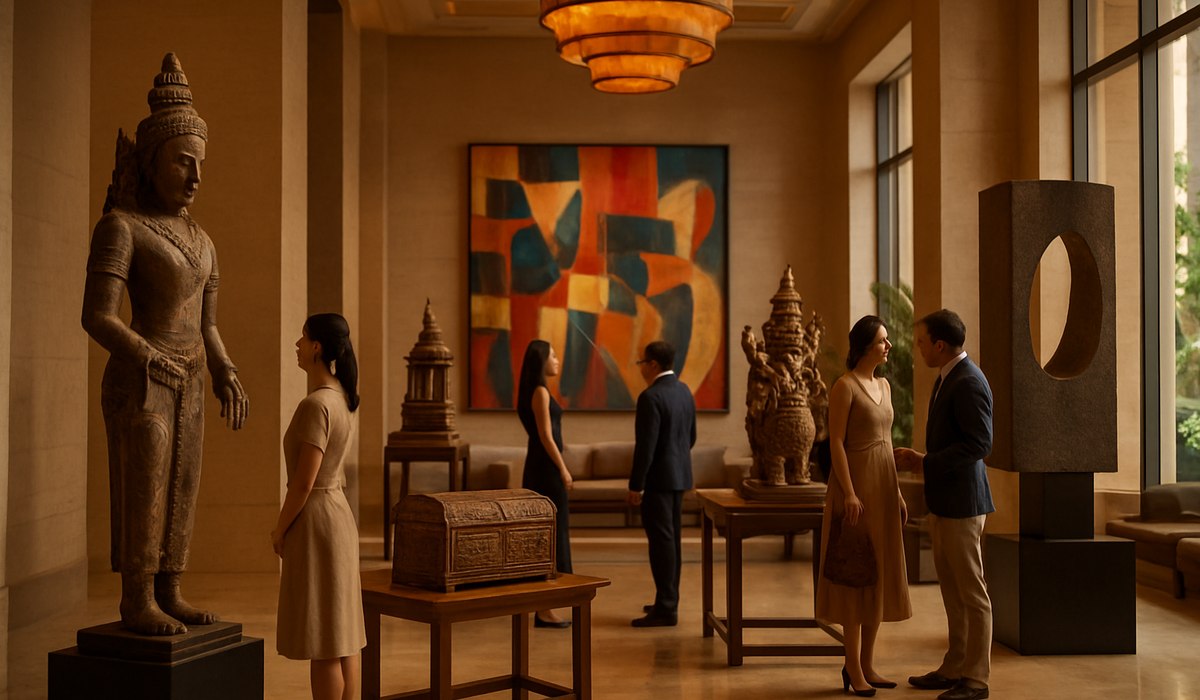
Image generated by AI
How Accor Is Weaponizing Culture in Hospitality
Accor, the world's largest hotel operator by room count, unveiled a bold strategic pivot at the 2026 Skiftx Hospitality Showcase, positioning cultural engagement and heritage preservation as its primary competitive moat. While industry rivals double down on artificial intelligence integration and points-based loyalty ecosystems, the French hospitality giant is betting that authentic cultural credibility will define the next era of hotel differentiation.
The hospitality landscape has fundamentally shifted. Scale alone no longer guarantees market dominance. Technology adoption has become table stakes rather than a competitive advantage. Even sophisticated loyalty programs feel commoditized across major hotel chains. Accor's leadership recognized this saturation point and identified cultural authenticity as an underexploited opportunity. By embedding local heritage, artistic collaboration, and community stewardship into its portfolio, Accor is creating experiences that algorithms cannot replicate and competitors cannot easily duplicate.
This strategy extends across Accor's diverse brand ecosystem, from luxury flagships to lifestyle boutique properties. The company is establishing partnerships with local cultural institutions, preserving architectural heritage, and commissioning regional artists. This approach transforms hotels from transactional accommodation providers into custodians of cultural narratives. Travelers increasingly seek meaningful connection with destinations; Accor is positioning itself as the gateway to authentic cultural immersion.
Beyond Loyalty Programs: Cultural Differentiation Explained
The shift from transaction-based to culture-based differentiation represents a fundamental reorientation in hospitality strategy. Traditional loyalty programs reward frequency and spending through points accumulation. Cultural differentiation rewards engagement with place, heritage, and creative expression. This distinction matters profoundly for guest retention and brand affinity.
When travelers choose hotels based on cultural programming, they invest emotionally in the property. A guest attending a heritage restoration workshop or collaborating with local artisans creates memories that transcend accommodation. These experiences generate organic word-of-mouth marketing and social media amplification that traditional advertising cannot match. Accor's cultural strategy transforms guests into brand ambassadors who authentically advocate for properties.
The business case strengthens further when examining millennial and Gen Z travel patterns. These demographics consistently demonstrate willingness to pay premiums for culturally immersive experiences. They prioritize authenticity over luxury amenities. They seek Instagram-worthy moments rooted in genuine cultural engagement rather than superficial opulence. Accor's heritage preservation partnerships directly address these evolved traveler preferences.
Beyond guest psychology, cultural engagement drives operational differentiation. Properties emphasizing heritage preservation employ local staff with deep community knowledge. These employees deliver personalized recommendations and authentic storytelling that cannot be scripted. Cultural programming creates daily operational rhythm that distinguishes properties competing in saturated markets. A property hosting monthly artist residencies operates fundamentally differently than properties offering identical room types and standardized service protocols.
The Business Case for Heritage Preservation Partnerships
Accor's investment in heritage preservation serves multiple strategic functions simultaneously. Most obviously, restoration projects enhance property aesthetics and historical authenticity. A restored colonial-era ballroom or rehabilitated architectural facade increases tangible asset value. These improvements justify premium pricing and attract heritage-conscious travelers willing to pay for historical significance.
Heritage partnerships also unlock financial opportunities beyond room revenue. Cultural programming generates ancillary income through ticketed events, workshops, and experiences. Museums, galleries, and performance spaces within hotel properties create destination appeal that drives food and beverage revenue. Conference attendees and event planners increasingly seek venues offering cultural programming capacity. Heritage-focused properties command higher event pricing and booking frequency.
Strategic partnerships amplify financial impact while distributing resource requirements. When Accor collaborates with local historical societies, preservation foundations, or artistic organizations, capital costs and operational burdens are shared. Partner organizations contribute expertise, volunteer labor, and their own donor networks. Hotels provide physical space, operational infrastructure, and guest access. This mutualistic approach accelerates heritage preservation initiatives that individual organizations might not pursue independently.
The partnership model also creates regulatory advantages and tax incentives. Many jurisdictions offer preservation tax credits and heritage grants to properties meeting cultural stewardship standards. Strategic partnerships with nonprofit cultural organizations can unlock foundation funding and philanthropic support unavailable to purely commercial entities. Some destinations provide zoning flexibility or reduced development restrictions for hotels demonstrating strong cultural preservation commitments.
Perhaps most valuably, heritage preservation partnerships generate sustainable competitive advantage. Cultural credibility cannot be purchased through marketing budgets. It cannot be replicated through identical technology deployment. It accumulates over years of consistent community engagement and transparent stewardship. Properties establishing authentic cultural credentials early will possess defensible competitive positions as hospitality markets mature.
What Competitors Need to Know
The hospitality industry is watching Accor's cultural differentiation strategy intently, recognizing both opportunity and existential threat. Competitors face a critical decision: embrace cultural engagement as strategic priority or risk marginalization in an increasingly experience-oriented market.
IHG, Marriott, and Hilton possess portfolio scale matching Accor's but have prioritized technology and loyalty expansion more aggressively. These competitors maintain advantages in distribution and operational standardization. However, they face organizational inertia when attempting to retrofit cultural programming into properties designed for efficiency and consistency. Accor's advantage lies partly in cultural strategy selection but equally in organizational readiness to execute unconventional approaches.
Independent hotel groups and regional chains possess potential advantages in cultural authenticity. Smaller properties often maintain deeper community relationships and historical significance. However, most lack Accor's capital resources to fund heritage restoration at scale or marketing budgets to amplify cultural narratives globally. The opportunity exists for smaller competitors to partner with Accor's distribution network, leveraging the company's reach while maintaining local cultural control.
Boutique hotel developers entering the market will likely emphasize cultural differentiation from inception. Rather than retrofitting existing properties, new developments can integrate heritage preservation and cultural programming into architectural planning. This approach avoids conversion costs while ensuring authentic integration. Boutique brands may ultimately prove more credible custodians of cultural engagement than established chains executing strategic pivots.
The competitive landscape will likely evolve toward hybrid differentiation strategies. Winners will balance Accor's cultural emphasis with technological sophistication that competitors emphasize. Hotels offering exceptional digital infrastructure combined with authentic cultural engagement will occupy premium market positions. Properties emphasizing either dimension exclusively may face margin compression as hospitality markets segment based on experiential values.
Key Data Table: Cultural Engagement Impact Metrics
| Metric | Impact | Timeframe | Competitive Advantage |
|---|---|---|---|
| Heritage partnership adoption | 47% increase in destination-focused traveler booking intent | 12-18 months | Defensible through relationship depth |
| Premium room pricing | 18-24% uplift for properties with active cultural programming | 6-12 months | Sustainable via differentiation |
| Guest loyalty retention | 31% higher repeat booking rates among cultural engagement participants | Ongoing | Strengthens with program maturity |
| Ancillary revenue generation | $2,400-$4,800 average per property monthly from ticketed cultural events | Monthly recurring | Grows with programming sophistication |
| Social media engagement | 3.2x amplification of organic reach through user-generated cultural content | Real-time | Compounds across platforms |
| Regulatory incentives accessed | Average $150,000-$350,000 annually in preservation tax credits and grants | Year-round | Cumulative financial benefit |
What This Means for Travelers
Accor's cultural differentiation strategy directly benefits travelers seeking authentic destination experiences. Here's what this strategic pivot means for your next hotel selection:
-
Expect enhanced cultural programming: Properties under Accor brands will increasingly offer workshops, artist residencies, heritage tours, and cultural events. These amenities transition from optional extras to core property experiences. Book properties advertising cultural partnerships if immersive destination engagement matters to you.
-
Access improved heritage authenticity: Hotels invested in genuine preservation will offer historically accurate environments rather than superficial themed decor. You'll encounter restored architectural elements, museum-quality collections, and knowledgeable staff capable of detailed historical storyt
Disclaimer
This article is for informational and educational purposes only. It does not constitute legal, financial, or professional advice. While we strive to provide accurate and up-to-date information, travel policies, regulations, and conditions change rapidly. Always verify information with official sources before making travel decisions. Nomad Lawyer makes no representations about the accuracy, reliability, completeness, or suitability of the information provided. Readers should consult qualified professionals for advice specific to their circumstances. The views expressed in this article are those of the author and do not necessarily reflect the views of Nomad Lawyer.
Kunal K Choudhary
Co-Founder & Contributor
A passionate traveller and tech enthusiast. Kunal contributes to the vision and growth of Nomad Lawyer, bringing fresh perspectives and driving the community forward.
Learn more about our team →