
Cultural Connections: Holiday Inn Express Partners with Bai Ke for Young Travelers in China
Holiday Inn Express partners with Chinese actor Bai Ke and comedy film 'MAKE ZHONGHE GREAT AGAIN' for its new 'Recharge & Restart' campaign.
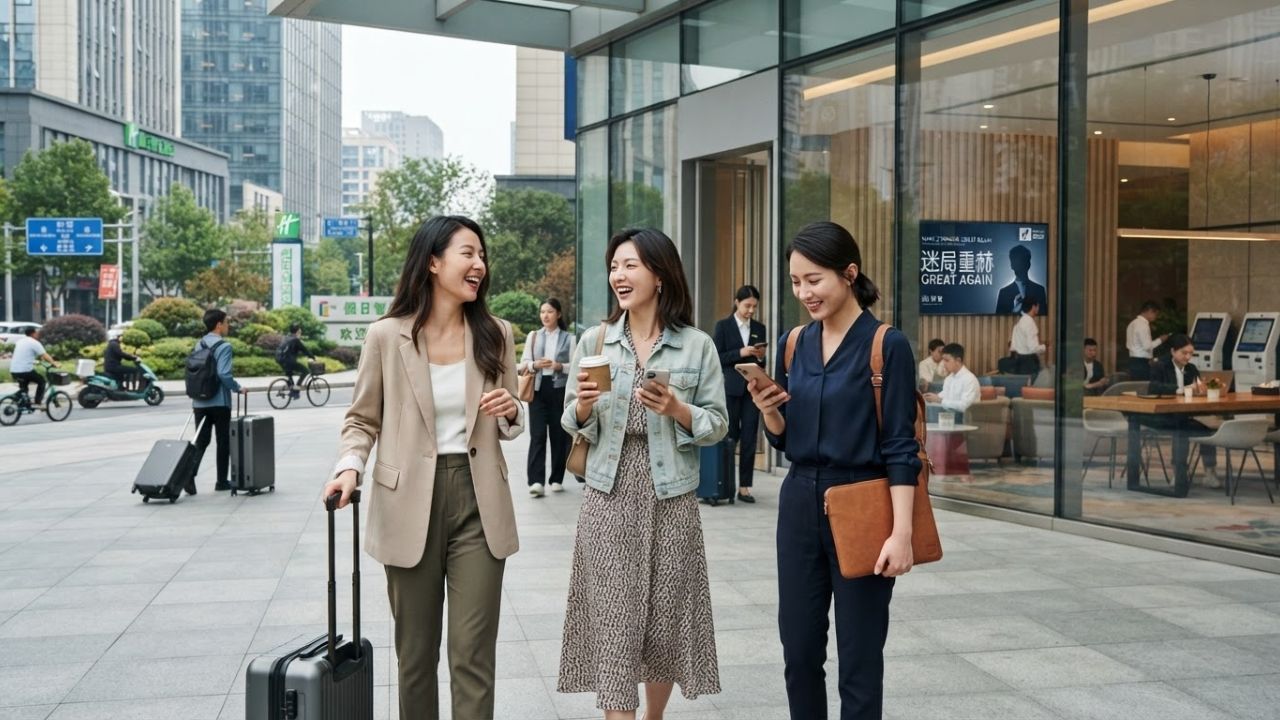
Image generated by AI
When Holiday Inn Express appointed Chinese actor Bai Ke as its brand ambassador on August 6, 2026, it marked a significant shift in how international hospitality groups market to Greater China's rising demographic of young professionals. The partnership, launched in tandem with the workplace comedy film MAKE ZHONGHE GREAT AGAIN, highlights a growing trend of integrating midscale hotel branding with regional pop culture to promote the 'Recharge & Restart' campaign across more than 400 domestic properties.
The Local Trend Revealed: Pop Culture Partnerships and the Rise of 'Young Movers'
China's hotel industry is experiencing a notable shift as international brands move away from traditional corporate advertising toward localized cultural partnerships. As a younger demographic of professionals, digital nomads, and entrepreneurs—often termed 'young movers'—becomes a primary driver of domestic travel, hospitality marketing must reflect their lifestyle. By partnering with relatable figures like actor Bai Ke and workplace comedy films, hotel chains can communicate their value proposition through engaging stories rather than standard booking platforms.
Rita Jiang, Chief Commercial and Marketing Officer of IHG Greater China, emphasized that the group is actively adapting its guest experience around the changing requirements of younger travelers. Using culturally relevant partnerships allows the company to communicate more authentically with its target audience. This collaborative marketing strategy helps the brand stand out in a highly competitive market where travelers look for products that match their lifestyle.
The collaboration with the upcoming movie MAKE ZHONGHE GREAT AGAIN places Holiday Inn Express within a wider cultural conversation about modern urban life. The comedy film explores everyday workplace situations, presenting humorous scenarios that resonate with young office workers who frequently travel for business and personal projects. The campaign is designed to show how midscale hotels can serve as flexible hubs where guests can work, rest, and recover their energy.
The 'Recharge & Restart' Philosophy in Midscale Hospitality
The brand campaign is centered around a philosophy of helping guests maintain balance through practical services and comfortable environments. The modern traveler requires more than a simple bed; they expect properties to support their active routines. Key features of the guest experience under this concept include:
- Comfortable guest rooms designed for quiet rest.
- Nutritious, complimentary breakfast options to start the day.
- Flexible public workspaces with high-speed internet.
- Smart technology solutions, such as digital check-in and keyless entry.
- Efficient services that streamline check-out and luggage handling.
The brand operates under the Essentials banner of IHG Hotels & Resorts, representing one of the fastest-growing hotel chains in the region. By designing properties that emphasize clean environments, flexible schedules, and digital conveniences, the hotels cater to travelers who often mix business trips with leisure. Whether a guest is in town for a two-day conference or a weekend of city exploration, having a reliable space to recharge is critical to their travel experience.
For the visitor, the real impact of this strategy is the availability of consistent, budget-friendly accommodation across a vast regional network. Holiday Inn Express currently operates more than 400 hotels across Greater China, extending from primary business hubs like Beijing and Shanghai to regional tourism destinations. By standardizing these essential services, the brand allows young professionals to travel efficiently throughout the country without sacrificing comfort or wellness.
Cultural Value and Social Sustainability in Greater China
To support the long-term sustainability of the travel industry, hospitality groups are focusing on localized marketing and operations. The partnership with local actors and films demonstrates how global companies can adapt to regional preferences. According to insights from the China Tourism Academy, domestic travel is increasingly driven by cultural identity, with younger consumers prioritizing brands that understand and respect their daily experiences.
The focus on sustainable practices also extend to energy efficiency and water conservation programs across the domestic properties. By implementing smart building management systems, the hotels can monitor and optimize electricity usage, reducing operating costs and environmental impacts. This approach aligns with the national green development policies of the Ministry of Culture and Tourism of the People's Republic of China, promoting responsible tourism.
On the ground, these hotels support local economies by employing regional staff and sourcing breakfast ingredients from nearby agricultural suppliers. The properties also implement green practices, such as reducing single-use plastics, using energy-saving heating and lighting, and encouraging digital billing. By keeping tourism spending within local communities and minimizing environmental impacts, the brand supports the social and ecological development of the cities where it operates.
China Business Travel Guide: Mobile Apps and Cultural Customs
For young professionals planning business trips or leisure journeys across China, regional travel specialists suggest the following tips:
- Optimal Booking Windows: To avoid peak domestic travel rushes, book your stays outside of major national holidays like Golden Week in October and the Spring Festival in winter.
- Mobile App Etiquette: Ensure you download popular Chinese multi-purpose apps, such as WeChat and Alipay, which are widely used for hotel bookings, payments, subway transit, and ordering food at local restaurants.
- Workplace Cultural Customs: When meeting local business partners in China, exchange business cards using both hands as a sign of respect. Take a moment to read the card before placing it on the table or in a cardholder.
- Sample Regional Street Food: While hotels offer complimentary breakfasts, take time to explore nearby local streets to try regional specialties, such as pan-fried buns (shengjian bao) in Shanghai or spicy noodles in southwestern cities.
- Support Neighborhood Businesses: Purchase green tea, traditional snacks, and handmade crafts directly from independent neighborhood merchants located near your hotel, keeping your tourist spending within the local community.
- China Railway Network: China's high-speed rail network provides an excellent transit option for business travelers moving between regional cities. With stations directly connected to municipal subway networks, traveling by train is often faster and more efficient than domestic flights. Many Holiday Inn Express properties are located within easy reach of major railway hubs, allowing guests to transition quickly from transit to their hotel workspace.
- Zhonghe Workplace Culture: The term 'Zhonghe' (neutral harmony), highlighted in the film's title, reflects a central concept in traditional Chinese philosophy that is increasingly applied to modern workplace dynamics. It emphasizes finding balance, maintaining harmonious relations with colleagues, and resolving professional conflicts through compromise and mutual respect. For business travelers, understanding this cultural framework is highly valuable when navigating team collaborations and client relationships in Greater China.
- Under-the-Radar Quiet Zones: Seek out the flexible working pods in the hotel lobby, which offer a quiet environment for video calls or remote work.
- Off-Peak Transit Times: To avoid crowded subways and traffic jams in major cities, plan your airport transfers and local meetings during mid-day hours.
Long-Term Outlook for China's Midscale Tourism Sector
The partnership between Holiday Inn Express, Bai Ke, and MAKE ZHONGHE GREAT AGAIN highlights the evolving expectations of the next generation of travelers. By focusing on practical amenities, cultural connections, and flexible workspaces, the brand is positioning itself for steady growth in one of the world's largest travel markets.
Over the coming decade, continued investments in smart technology, eco-friendly operations, and regional airport connectivity will shape the East Asian travel sector. As domestic business travel and leisure trips continue to expand, hotel groups will increasingly rely on localized branding and storytelling to engage consumers. By maintaining high hospitality standards and promoting authentic cultural connections, China's midscale tourism sector aims to build a sustainable, resilient visitor economy for the future.
Disclaimer
This article is for informational and educational purposes only. It does not constitute legal, financial, or professional advice. While we strive to provide accurate and up-to-date information, travel policies, regulations, and conditions change rapidly. Always verify information with official sources before making travel decisions. Nomad Lawyer makes no representations about the accuracy, reliability, completeness, or suitability of the information provided. Readers should consult qualified professionals for advice specific to their circumstances. The views expressed in this article are those of the author and do not necessarily reflect the views of Nomad Lawyer.