Foreign Transaction Fee Trends 2026: How Issuer Costs and DCC Impact Global Travel Spending

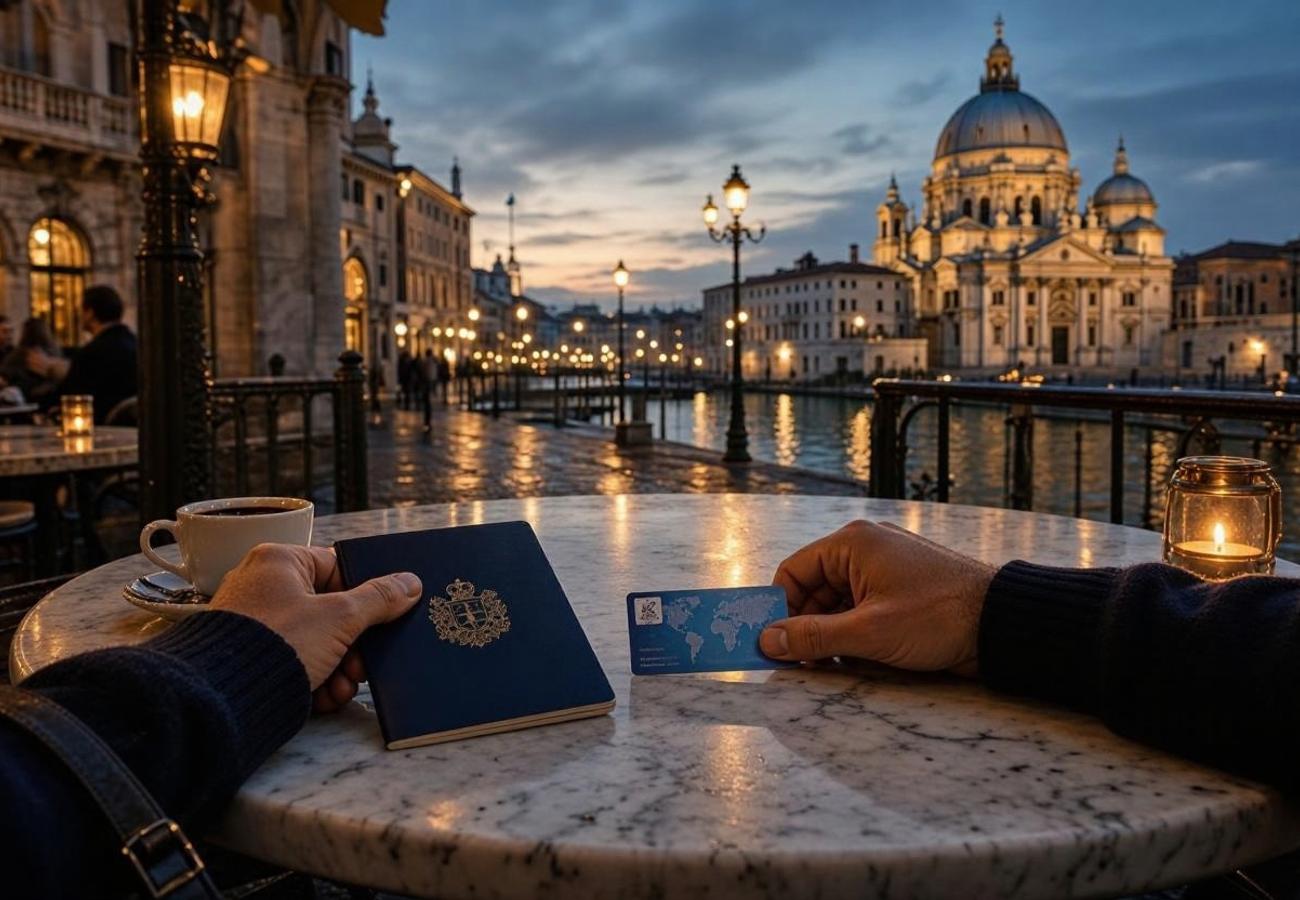
Image generated by AI
Standard credit card issuer fees for international spending have remained stagnant at approximately 3% for basic accounts, while specialized travel cards have pushed the zero-fee benchmark into the mainstream. This gap creates a significant price divergence for the average traveler, where the difference between a standard cash-back card and a travel-optimized card can result in a 3% to 5% increase in the total cost of a trip.
The Cost of Global Spending in Numbers
The financial architecture of a foreign purchase is rarely a single charge; it is a stack of fees from multiple entities. For a traveler using a non-optimized card, the cost is distributed across the issuer, the network, and the merchant.
The primary cost is the issuer's foreign transaction fee. In the US market, standard cards frequently levy a 3% charge on any transaction processed outside the United States or in a non-USD currency. The UK market shows a similar pattern, with major institutions like Barclays, HSBC, and Lloyds often applying fees between 2.75% and 3%. Conversely, the Eurozone provides a natural hedge for intra-zone travel, where no conversion fees apply between member states, though costs spike immediately upon exiting the eurozone into currencies like the Thai Baht or US Dollar.
Beyond the issuer, the card network—primarily Visa or Mastercard—determines the wholesale exchange rate. While these networks track mid-market rates closely, they are not identical to the rates seen on financial news tickers. The final cost is then further influenced by ATM operator surcharges and the predatory practice of Dynamic Currency Conversion (DCC).
Comparative Fee Structures by Region
The disparity in how different regions handle international spend is evident when comparing traditional banking products against fintech and travel-specific offerings. The following table breaks down the typical fee layers encountered by travelers in late 2026.
| Fee Component | Standard US/UK Bank Card | Travel-Optimized Card | Fintech/Digital Bank |
|---|---|---|---|
| Issuer Transaction Fee | 2.75% – 3.00% | 0% | 0% (up to monthly limit) |
| Network Exchange Rate | Wholesale + Small Margin | Wholesale + Small Margin | Wholesale / Mid-Market |
| DCC Option | Available (High Cost) | Available (High Cost) | Available (High Cost) |
| ATM Surcharge | Issuer Fee + Operator Fee | Operator Fee Only | Often Refunded/Waived |
| Cash Advance Fee | High Interest + Flat Fee | Variable | Low to None |
What This Means for Travelers
For those planning international trips in 2026, the data suggests that relying on a single, general-purpose debit or credit card is a high-cost strategy. The "invisible" nature of these fees means they are often only noticed after the trip, but the cumulative impact is substantial.
Actionable Booking and Spending Advice:
- Audit Your Wallet: If your card charges 3%, a $5,000 trip effectively costs an extra $150 in fees alone. Transition to a 0% foreign transaction fee card (such as the Chase Sapphire or Capital One Venture series) at least 30 days before departure.
- The "Local Currency" Rule: When a payment terminal in Europe or Asia asks if you want to be charged in your "home currency" or the "local currency," always select local currency. Choosing your home currency triggers Dynamic Currency Conversion (DCC), allowing the merchant to set an arbitrary, inflated exchange rate that often exceeds the 3% bank fee.
- ATM Strategy: In regions like Thailand, where flat ATM fees (e.g., 220 baht) are common, minimize the number of withdrawals by taking out larger sums. Using a credit card for cash is the most expensive option due to combined cash advance fees and immediate interest accrual.
Projecting the Shift Toward Fee Transparency
The trajectory of the travel finance market is moving toward the "fintech model," where transparency is a competitive advantage. We are seeing a shift where traditional banks are forced to offer "travel modes" or specialized accounts to prevent customer churn to digital-first banks.
As global mobility increases, the reliance on mid-market rates is becoming the expectation rather than a premium feature. Travelers should expect more "hybrid" cards that offer zero fees for the first $1,000–$2,000 of monthly spend, after which a small markup is applied. This indicates a shift from flat-fee models to tiered-usage models.
FAQ: Foreign Transaction Fees 2026
Will foreign transaction fees disappear entirely? Unlikely for traditional banks, as these fees are high-margin revenue streams. However, they are becoming optional, as zero-fee alternatives from fintechs and travel-specific credit cards are now widely available.
Is it better to use a credit card or a debit card abroad? Credit cards with 0% foreign transaction fees are generally superior for purchases due to better fraud protection and rewards. Debit cards are preferable for ATM withdrawals to avoid high-interest cash advance fees.
Why is the exchange rate on my statement different from Google? Google provides the mid-market rate. Your bank uses the network rate (Visa/Mastercard), which includes a small spread, and the transaction may settle 1-3 days after the purchase, reflecting a different daily rate.
What is the cheapest way to get cash in a foreign country? Use a debit card from a bank that waives international ATM fees and avoid using credit cards for cash. Always decline the ATM's offer to perform the currency conversion.
Stop paying the 3% convenience tax on your own money.
Related Travel Guides
This article is for informational purposes. Flight routes, passenger regulations, visa rules, and transit advisories are subject to change by airlines and aviation authorities. Readers are advised to verify schedules and travel documentation with relevant carriers and border agencies before departure.
Related Stories
Budget Airline Priority Boarding Guide 2026: Ryanair, easyJet, and Wizz Air Logistics

Airline Seat Selection Guide 2026: Legal Rights, Family Seating Rules and Fee Analysis