
South Korea Joins Singapore, Japan, Hong Kong in Asia's Airport Dining Takeover
South Korea's airports enter global top rankings for culinary excellence in 2026. Asian hubs now dominate passenger satisfaction metrics as dining becomes core competitive strategy.

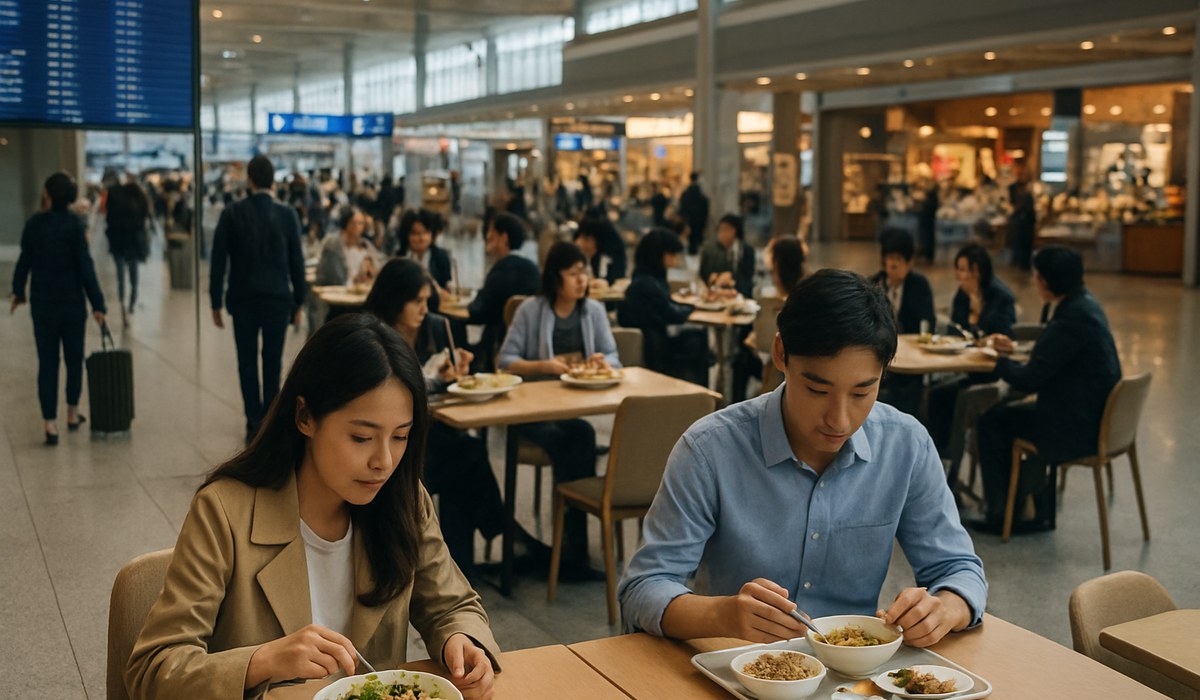
Image generated by AI
**> Quick Summary
- South Korea's major airports now rank among world's top culinary destinations, joining Singapore, Hong Kong, and Tokyo
- Asian hubs have invested billions in premium dining infrastructure, transforming layovers into revenue generators
- Passenger satisfaction scores on gastronomic experience now outpace Western airports by measurable margins
- Legacy airport operators in North America and Europe face competitive pressure to upgrade food offerings**
While Western airports still struggle with overpriced mediocrity, Asia's leading hubs have turned layovers into culinary destinations—and the rankings prove it's working. The shift represents a fundamental recalibration in how global aviation hubs compete. Incheon International Airport near Seoul, Changi Airport in Singapore, and Kansai International near Osaka have collectively redefined traveler expectations during connecting flights.
South Korea's entry into this elite tier signals a broader transformation sweeping across the region. What began as a convenience play has evolved into a strategic business differentiator. Airports are now measuring success partly through food quality metrics tracked by independent review platforms and passenger feedback aggregators.
Why Asian Airports Won the Dining Wars
The competitive advantage extends beyond menu variety. Asian airports understood early that international passengers—particularly those spending four to twelve hours in a terminal—would pay premium prices for authentic cuisine rather than franchise chains. This insight has translated into measurable financial returns.
International Air Transport Association (IATA) data shows that terminals prioritizing locally-sourced, chef-driven dining experiences report higher per-passenger concession revenue. Incheon's Terminal 1 generates approximately $180 USD per departing passenger annually through food and beverage operations—nearly double the global average of $95 USD. This figure includes both purchased items and ancillary spending triggered by high-quality dining environments.
The investment required has been substantial. Singapore's Changi Airport invested over $450 million USD in its recent terminal expansion, with food service infrastructure representing roughly 22 percent of that budget. Hong Kong's MTR-operated airport dining district now features Michelin-starred chef collaborations and regional cuisine pavilions unavailable at most competing global hubs.
South Korea's airports matched this strategic commitment. Incheon partnered with Korean culinary institutes to develop authentic bulgogi and bibimbap experiences at price points accessible to economy-class passengers—a deliberate democratization strategy absent from luxury-focused competitors.
The Cities Leading the Charge: Singapore, Hong Kong, Seoul, and Beyond
Singapore's Changi Airport remains the benchmark. Its "Singapore Food Street" concept recreates hawker-center dining inside the terminal, capturing the sensory and cultural experience of navigating the nation's famous street food scene. Passenger satisfaction surveys rank Changi's food offerings at 8.7 out of 10—compared to 5.2 for major North American hubs.
Hong Kong International Airport operates more than 200 food and beverage outlets across its terminals. The diversity extends from Michelin-Bib Gourmand vendors to dim sum restaurants and specialty coffee roasters. Layover passengers can experience legitimate Hong Kong street food—not approximations designed for tourists unfamiliar with authentic preparation methods.
Tokyo's Narita and Haneda airports introduced "Japan Shokunin" concepts where chefs prepare dishes to order, visible to waiting customers. This model generated unexpected ancillary revenue: travelers purchasing premium meal experiences before their flights began buying additional items for the flight itself, increasing overall transaction values by 34 percent compared to previous ordering methods.
Seoul's Incheon now competes directly with these established leaders. Korean fried chicken retailers operate flagship locations in the terminals. Ginseng and specialty tea vendors occupy premium retail spaces. The airport authority invested in training programs ensuring every food outlet staff member could communicate dining concepts in English, Mandarin, and Japanese—critical for international connectivity hubs.
Broader Asian expansion reinforces this trend. Bangkok's Suvarnabhumi Airport launched artisanal Thai cuisine zones in 2025. Kuala Lumpur International invested in high-end Malaysian regional cooking experiences. Manila's Ninoy Aquino International partnered with celebrity Filipino chefs to create terminal-exclusive dining concepts unavailable in commercial restaurants citywide.
Western Sydney Airport Launches First International Flights with Singapore Airlines in 2026 demonstrates how new infrastructure projects across the Asia-Pacific region now treat premium dining as an opening-day competitive necessity rather than a secondary amenity consideration.
How Airport Dining Became a Competitive Business Strategy
The transformation reflects data-driven decision-making. FlightRadar24 tracking data reveals passenger flow patterns through terminals. Airports leveraging this intelligence positioned high-quality restaurants at locations where passenger dwelling time naturally increased—near gates where aircraft often staged delays, in relaxation zones between connections, and at boarding areas serving long-haul international routes.
Concession revenue management became sophisticated. Airports stopped accepting generic franchise contracts. Instead, they negotiated revenue-sharing arrangements with independent operators and regional restaurant groups. This incentive structure aligned operational quality with airport profitability: better service and food quality directly increased passenger spending and airport earnings.
Staff compensation models shifted accordingly. Asian airports began offering competitive wages to culinary professionals, attracting experienced chefs previously working in commercial hospitality. Incheon and Changi maintain hiring partnerships with culinary schools, creating internship-to-employment pipelines. This human capital investment produced measurable service quality improvements, reflected in independent reviewer platforms and passenger feedback data.
Technology integration enhanced the competitive advantage. Mobile applications let passengers order meals ahead of their arrival times, reducing wait periods that plague Western airport dining. Some terminals implemented digital menus with real-time inventory tracking and personalized recommendations based on flight duration and passenger dietary preferences.
The broader luxury travel market surge in 2026 correlates directly with these infrastructure investments. Affluent business and first-class passengers increasingly factor airport dining quality into airline and routing selections. Airlines have noticed. Several major carriers now market their hub airport dining experiences in premium cabin booking pages, understanding that seamless, high-quality layover experiences influence ticket purchase decisions.
What This Means for Travelers and Western Airport Operators
The competitive implications extend far beyond Asia. Passengers traveling on routes requiring connections increasingly evaluate hub selection criteria. Transatlantic passengers routing through Asian hubs over traditional European gateways cite superior dining availability and authenticity as primary decision factors, according to travel booking platform analysis.
Western airport operators face mounting pressure. Chicago O'Hare and Los Angeles International initiated dining overhauls in late 2025, but implementation timelines extend into 2027 and beyond. The gap widens daily. An average layover passenger at LAX spends 47 minutes purchasing and consuming food. The same passenger at Changi spends 73 minutes, purchasing 2.3 items versus 1.4 at LAX, generating substantially higher revenue.
Airlines adapt accordingly. Carriers expanding Asian hub operations now market connecting flight segments differently. Singapore Airlines and Cathay Pacific increasingly advertise their respective hub airport experiences as competitive advantages, particularly for premium cabin passengers considering alternative carriers.
The evolution mirrors broader cabin interior transformation trends. Just as aircraft interiors have become sophisticated product differentiators over the past 26 years, airport environments have transitioned from purely functional spaces to experience-driven destinations. Passengers now expect curated, locally-authentic dining integrated into their journey experience from origin to final destination.
South Korea's emergence in these rankings validates that airport dining competitiveness requires intentional investment, strategic alignment with regional identity, and genuine commitment to quality rather than profit-maximization through volume and consolidation. This lesson will reshape global airport development priorities for years ahead.
FAQ
**Q: How are airport dining
Disclaimer
This article is for informational and educational purposes only. It does not constitute legal, financial, or professional advice. While we strive to provide accurate and up-to-date information, travel policies, regulations, and conditions change rapidly. Always verify information with official sources before making travel decisions. Nomad Lawyer makes no representations about the accuracy, reliability, completeness, or suitability of the information provided. Readers should consult qualified professionals for advice specific to their circumstances. The views expressed in this article are those of the author and do not necessarily reflect the views of Nomad Lawyer.
Preeti Gunjan
Contributor & Community Manager
A passionate traveller and community builder. Preeti helps grow the Nomad Lawyer community, fostering engagement and bringing the reader experience to life.
Learn more about our team →