Japan Rail Pass Value Analysis 2027: Pricing Shifts and Route Costing for International Travelers

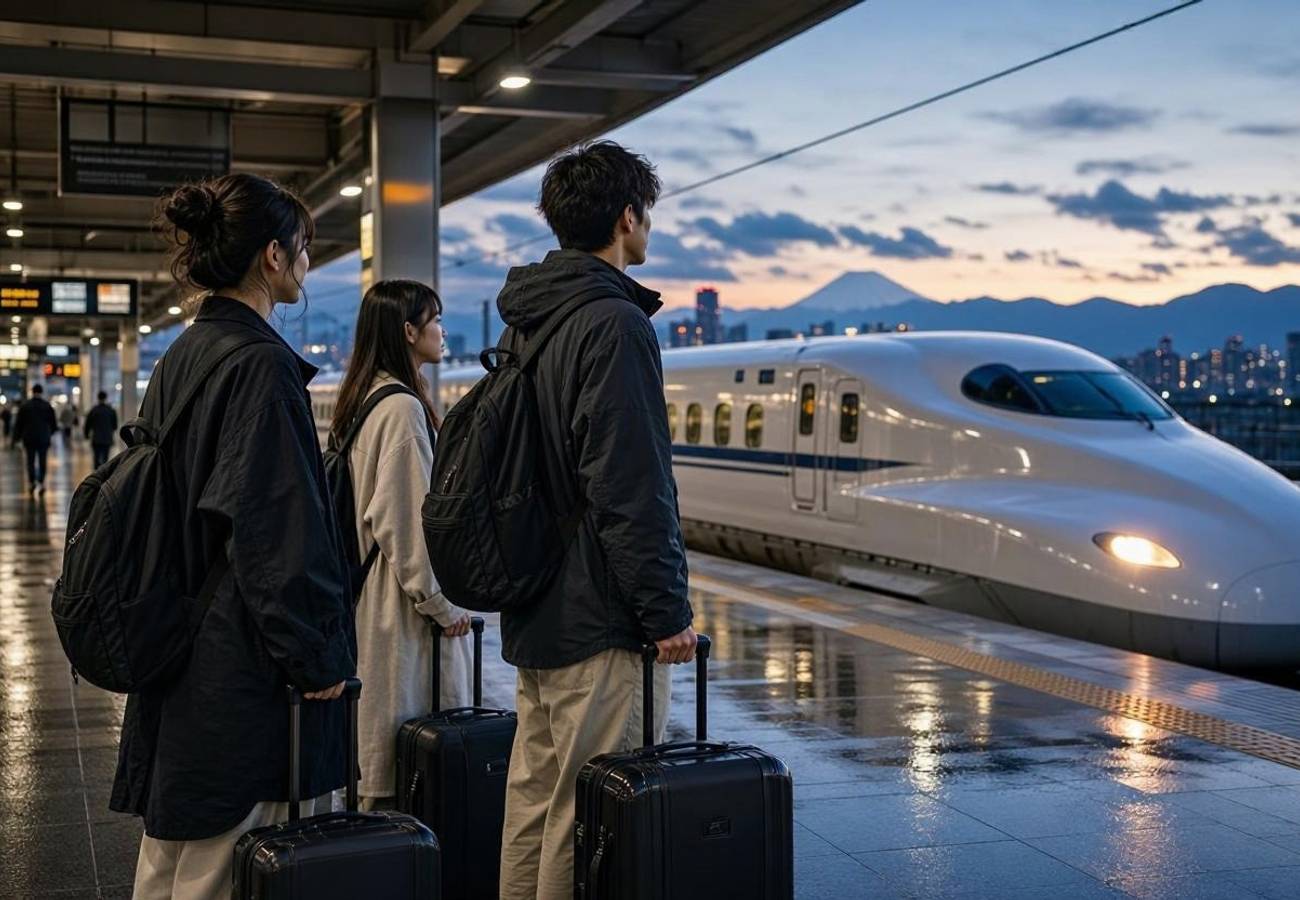
Image generated by AI
53,000 yen is the approximate cost of a 7-day Ordinary Japan Rail Pass when purchased through overseas agents, creating a pricing disparity that can fundamentally alter a traveler's break-even analysis. For those visiting Japan in 2027, the decision to purchase a nationwide pass is no longer a simple "yes" or "no" but a calculation based on purchase channels and specific route density.
The 2027 Pricing Dichotomy: Official vs. Agent Channels
The current market for Japan Rail (JR) products is characterized by a fragmented pricing structure. As of October 1, 2026, a clear divide emerged between the Japan Rail Group official online portal and third-party overseas travel agents. This discrepancy means that the "sticker price" of a pass depends entirely on the point of sale, making older cost calculators obsolete.
Travelers must now distinguish between the official web portal prices and the higher agent-mediated exchange orders. This gap of several thousand yen per pass can be the difference between a profitable investment and a financial loss, especially for those sticking to a lean itinerary.
Route Costing and Product Availability
The shift in value is most evident when analyzing the "Golden Route" (Tokyo–Kyoto–Osaka–Hiroshima). For a traveler using reserved seats on Hikari and Sakura services, the base costs are substantial but do not automatically trigger the value of a nationwide pass.
Comparison of Standard Fares vs. Nationwide Pass (7-Day)
| Route Segment | Estimated Ordinary Fare (Yen) | Pass Type | Official Online Price (Yen) | Agent Price (Yen) |
|---|---|---|---|---|
| Tokyo $\rightarrow$ Kyoto | 14,000 | 7-Day Ordinary | 50,000 | 53,000 |
| Kyoto $\rightarrow$ Osaka | 580 | 14-Day Ordinary | 80,000 | 84,000 |
| Osaka $\rightarrow$ Hiroshima | 10,500 | 21-Day Ordinary | 100,000 | 105,000 |
| Hiroshima $\rightarrow$ Tokyo | 19,000 | |||
| Total Base Fare | 44,080 |
Beyond the nationwide product, the regional landscape has shifted. The JR West Kansai Area Pass was officially discontinued after September 30, 2026. Travelers who rely on outdated guides may find this product missing from current inventories, replaced by the Kansai Wide Area Pass, which features a different geographic footprint and pricing model.
Expert Analysis: The Logistics of the "Break-Even" Point
For travelers booking the classic Tokyo-Kyoto-Hiroshima loop, the direct consequence of the 2026 price adjustments is that the nationwide pass is now a "convenience product" rather than a guaranteed discount. With a base fare of 44,080 yen, a traveler is 5,920 yen short of the official online price and 8,920 yen short of the agent price.
The pricing pressure this creates means that the pass only becomes financially viable if the itinerary includes high-value side trips. For example, adding a round trip from Tokyo to Nikko or a Shinkansen hop from Osaka to Himeji can easily add 6,000 to 10,000 yen in fares, pushing the traveler into a net-positive position.
Furthermore, the legal restrictions on eligibility remain rigid. The pass is strictly for those with "Temporary Visitor" status. Foreign residents of Japan—even those holding foreign passports—are ineligible. This regulatory boundary is strictly enforced via passport stamps or stickers during the exchange process at Japan Railway offices.
From a logistical standpoint, the exclusion of Nozomi and Mizuho trains on the Tokaido, Sanyo, and Kyushu Shinkansen lines is a critical constraint. Forcing passengers onto slower Hikari or Sakura services increases travel time, adding an "opportunity cost" to the pass that is rarely captured in yen-based spreadsheets.
Key Takeaways
- Verify Purchase Channel: Official JR online prices are generally lower (e.g., 50,000 yen for 7 days) than overseas agent prices (approx. 53,000 yen).
- Check Product Validity: The JR West Kansai Area Pass is discontinued as of September 30, 2026; use the Kansai Wide Area Pass instead.
- Calculate Side-Trips: A basic Tokyo-Kyoto-Hiroshima loop does not break even; you need at least 6,000–9,000 yen in additional JR travel to justify the pass.
- Avoid Restricted Trains: The pass does not cover Nozomi or Mizuho services without a significant surcharge.
- Confirm Status: Only those with a "Temporary Visitor" stamp in their passport are eligible for purchase and exchange.
FAQ: Japan Rail Pass 2027
Is the Japan Rail Pass still worth it for a one-week trip? Only if your itinerary extends beyond the basic Tokyo-Kyoto-Osaka loop. If you add side trips to Nikko, Kanazawa, or Himeji, the pass typically breaks even or provides a modest saving.
Can I use the JR Pass on the Nozomi Shinkansen? Not without paying a separate, expensive surcharge. Pass holders should book Hikari, Sakura, or Kodama trains to avoid additional fees.
What happens if I buy a pass but live in Japan? You will be denied the pass at the exchange office. Eligibility is strictly limited to foreign nationals entering Japan under a "Temporary Visitor" status.
How do I activate my pass in 2027? Present your exchange order (from agents) or QR code (from the official site), along with your passport and arrival stamp, at a designated JR exchange office.
The era of the "automatic saving" JR Pass is over; precision planning is now the only way to ensure value.
Related Travel Guides
This article is for informational purposes. Flight routes, passenger regulations, visa rules, and transit advisories are subject to change by airlines and aviation authorities. Readers are advised to verify schedules and travel documentation with relevant carriers and border agencies before departure.
Related Stories
Japan Announces Major Narita Express Service Changes for November 6–8 as Tokyo Tunnel Repairs Sever Direct Lines

Tokyo and Delhi Rail Congestion: How 180% Peak Loads Trigger Regional Tourism Collapses in 2026