Ireland's Donegal and Sligo Lead Regional Tourism Surge as Wild Atlantic Way Adventure Travel Drives Growth

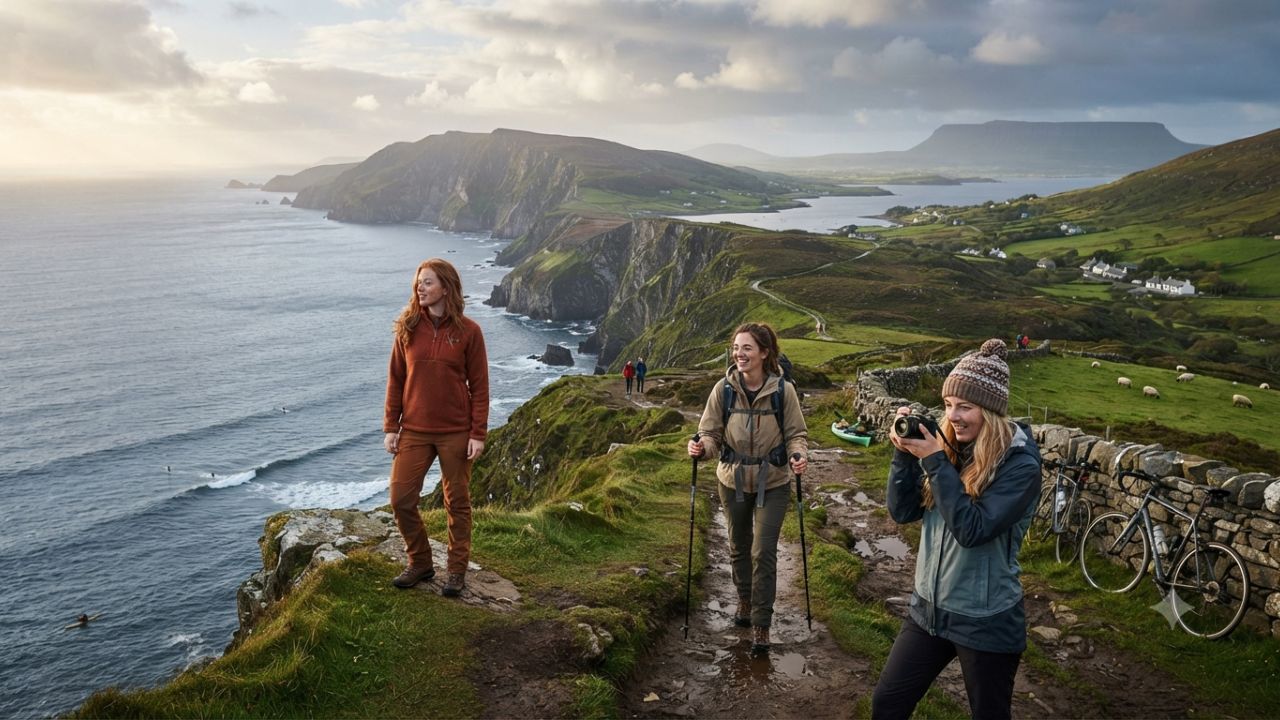
Image Source: Discover Ireland
Ireland’s northwest region is undergoing a major tourism shift as County Donegal and County Sligo emerge as premier adventure travel destinations along the 2,500-kilometer Wild Atlantic Way. Driven by growing international demand for slow travel, outdoor activities, and remote cultural immersion, the area is capturing high-value travelers seeking alternatives to crowded European city break destinations.
Supported by Ireland’s national tourism policy and Fáilte Ireland's regional development frameworks, the shift away from urban-centric itineraries is bringing sustainable economic benefits to coastal and rural communities. According to official data from Fáilte Ireland, the nation's tourism sector generated €11.2 billion in revenue in 2025 while supporting 229,400 jobs across hospitality and leisure businesses nationwide.
                  [ Ireland Northwest Adventure Travel Corridor ]
                                        │
           ┌────────────────────────────┴────────────────────────────┐
           │                                                         │
   County Donegal Hub                                        County Sligo Hub
  ┌─────────────────────────────────┐                       ┌─────────────────────────────────┐
  │ • Slieve League Sea Cliffs      │                       │ • Benbulben Mountain Hiking     │
  │ • Inishowen Peninsula Cycling   │                       │ • Strandhill & Mullaghmore Surf │
  │ • Fanad Head Lighthouse Coastal │                       │ • Yeats Country Cultural Trails │
  └─────────────────────────────────┘                       └─────────────────────────────────┘
The Northwest Frontier: Experience-Driven Travel in Ireland
The evolution of Donegal and Sligo from quick scenic stopovers into multi-day adventure bases aligns with broader global shifts toward experiential, low-impact travel. Rather than visiting Ireland solely for short tours of major cities like Dublin, international visitors are increasingly reserving multi-day blocks for coastal trekking, cold-water surfing, mountain biking, and heritage trail exploration.
IRELAND NORTHWEST TOURISM & ECONOMIC METRICS MATRIX
| Column 1 |
|---|
| National Tourism Revenue (2025): €11.2 Billion (Fáilte Ireland Report) |
| National Tourism Employment: 229,400 Industry Jobs |
| Wild Atlantic Way Total Length: 2,500 Kilometers (Donegal to Cork) |
| Primary Outbound Hub Connections: Dublin Airport (DUB) / Ireland West Knock |
| Core Regional Outdoor Pillars: Hiking, Surfing, Cycling, Heritage Trails |
| Strategic Policy Framework: Regional Distribution & Rural Development |
Official policy guidelines issued by the Department of Enterprise, Tourism and Employment emphasize that long-term sector resilience depends on expanding tourism yields across secondary and tertiary regions rather than concentrating visitor traffic in metropolitan centers.
| Region | Signature Attractions | Core Outdoor Activities | Target Traveler Profile |
|---|---|---|---|
| County Donegal | Slieve League Cliffs, Fanad Head, Inishowen Peninsula | Sea cliff hiking, coastal kayaking, slow heritage travel | Small-group adventure seekers, eco-tourists |
| County Sligo | Benbulben Mountain, Strandhill Beach, Mullaghmore Head | Atlantic surfing, trail cycling, literary & cultural tours | Active travelers, surf enthusiasts, cultural travelers |
County Donegal: Remote Heritage and Sea Cliff Exploration
County Donegal anchors the northernmost section of the Wild Atlantic Way, offering some of the highest accessible sea cliffs in Europe at Slieve League. Rising nearly 600 meters above the Atlantic Ocean, Slieve League provides a rugged alternative to the heavily visited Cliffs of Moher further south.
DONEGAL ADVENTURE SEGMENT & VISITOR EXPERIENCE
| Column 1 |
|---|
| Coastal Tourism: Slieve League sea cliffs, Fanad Head Lighthouse, Malin Head |
| Adventure Activity: Hiking along Pilgrims Path, sea kayaking, coastal cycling |
| Cultural Travel: Gaeltacht (Irish-speaking) villages, traditional music pubs |
| Slow Travel Impact: Extended multi-day stays, higher average daily spend (ADR) |
| SLIGO OUTDOOR & SURF TOURISM CAPACITY MATRIX |
| Atlantic Surfing Hubs: Strandhill Beach (Beginner/Intermediate), Mullaghmore (Big Wave) |
| Trekking Routes: Benbulben Forest Walk, Knocknarea / Queen Meabh's Cairn |
| Cultural Integration: W.B. Yeats Heritage Trails, Carrowmore Megalithic Complex |
| Regional Transport: Connected via N15 coastal highway corridor to Donegal |
Key Activity Pillars in Sligo
- Surfing & Ocean Sports: Certified surf academies at Strandhill cater to year-round water sports enthusiasts, while Mullaghmore attracts global big-wave surfers during North Atlantic swell events.
- Trekking & Heritage Walks: The climb up Knocknarea leads travelers to one of Ireland's largest Neolithic cairns, offering panoramic vistas across Sligo Bay.
- Cultural & Literary Tourism: Trails connecting Drumcliffe, Lough Gill, and Sligo Town integrate the landscape with the literary history of poet W.B. Yeats.
Traveler Logistics & Itinerary Planning Guide
For travel advisors and independent adventure travelers, integrating Donegal and Sligo into an Irish itinerary requires careful routing, transport selection, and accommodation planning.
NORTHWEST IRELAND TRAVELER LOGISTICS MATRIX
| International Gateways: Dublin Airport (DUB - 3 hrs drive), Knock (NOC - 1 hr) |
|---|
| Recommended Transport: Rental car or private small-group minibus (Self-drive) |
| Optimal Visit Window: May to October (Shoulder season ideal for lower crowds) |
| Recommended Duration: 5 to 7 days for complete Donegal-Sligo combined circuit |
1. Gateway & Transit Routes
- Airports: International travelers typically land at Dublin Airport (DUB) and drive northwest via the M3/N4 highway to Sligo (2.5 hours) or N2/A5 to Donegal (3.5 hours). Alternatively, Ireland West Airport Knock (NOC) provides a closer regional gateway just 45 minutes south of Sligo.
- Driving Infrastructure: The coastal N15 road connects Sligo and Donegal Town, serving as the main transport spine along the Wild Atlantic Way.
2. Best Time to Visit & Seasonal Gear
- Shoulder Season (May–June & September–October): Offers favorable daylight hours, manageable visitor numbers, and milder weather for coastal hiking.
- Essential Outdoor Gear: Waterproof shell jackets, sturdy hiking boots with ankle support, and 5/4mm neoprene wetsuits for autumn Atlantic ocean activities are strongly recommended.
Frequently Asked Questions (FAQ)
What makes Donegal and Sligo key adventure destinations in Ireland?
Both counties feature dramatic natural geography—including the sea cliffs of Slieve League and the surf beaches of Sligo—paired with infrastructure for hiking, cycling, surfing, and slow cultural travel along the Wild Atlantic Way.
How far is County Donegal from Dublin?
County Donegal is approximately 220 to 250 kilometers northwest of Dublin, requiring a 3 to 3.5-hour drive via the N2/A5 or N4 routes.
Is Sligo suitable for beginner surfers?
Yes. Strandhill Beach in County Sligo has several licensed surf schools and gentle beach breaks ideal for beginners, while Mullaghmore Head is reserved for experienced big-wave surfers.
What are the main cultural attractions in the region?
Key cultural sites include the Gaeltacht Irish-speaking communities of Donegal, Tory Island heritage, W.B. Yeats' grave at Drumcliffe, and the prehistoric Carrowmore Megalithic Cemetery in Sligo.
Related Travel Guides
This article is for informational purposes. Flight routes, passenger regulations, visa rules, and transit advisories are subject to change by airlines and aviation authorities. Readers are advised to verify schedules and travel documentation with relevant carriers and border agencies before departure.
Related Stories

Europe and Saudi Arabia Reveal Two Competing Models for the Future of Sustainable Tourism
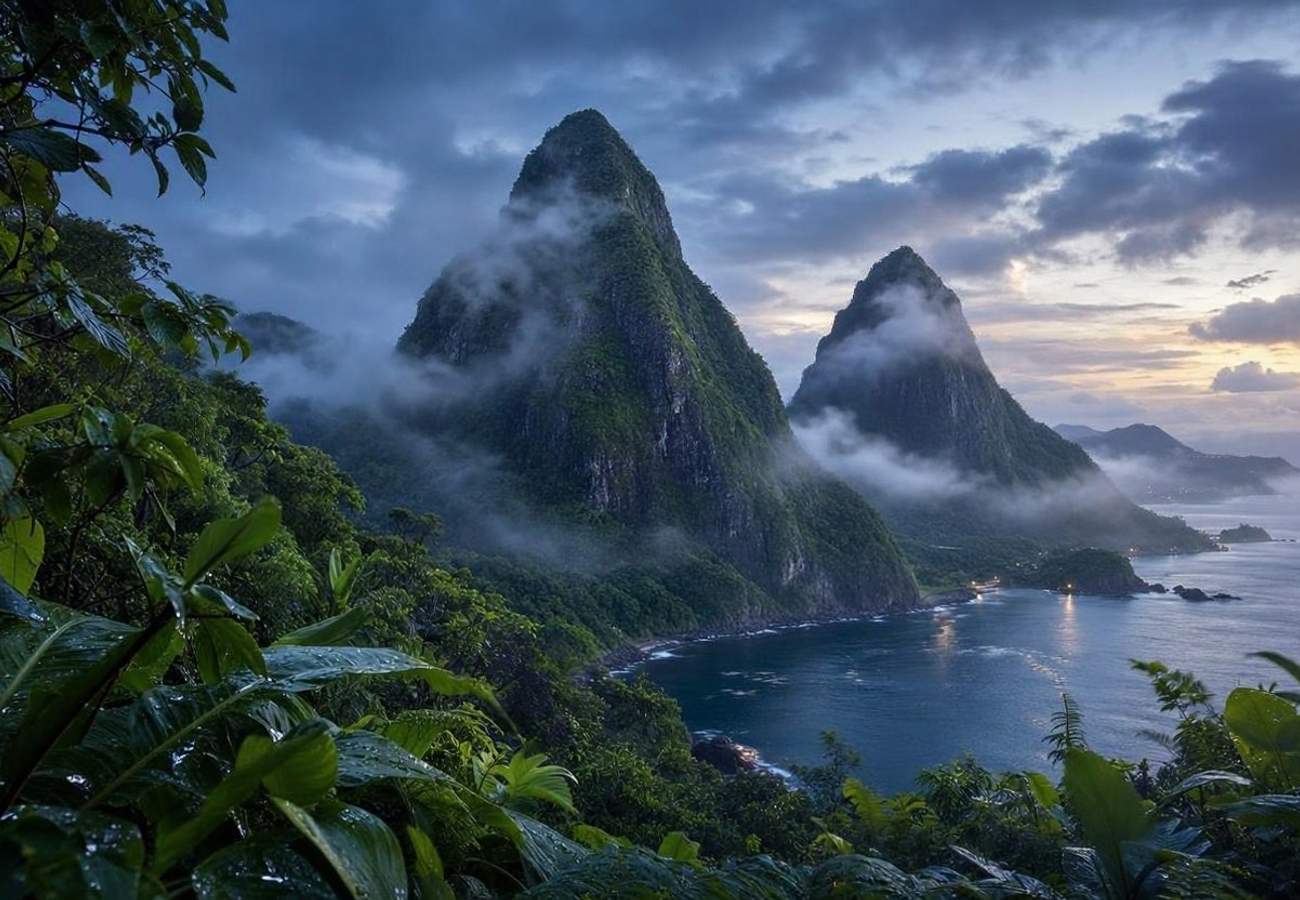
Saint Lucia Wins Most Innovative Tourism Campaign 2026 Award for 'Come to Your Senses' Initiative