
Intermountain West and Southern Alberta See Explosive Summer Tourism Growth in 2026
Travelers are abandoning overcrowded urban centers for the Intermountain West and Southern Alberta, driving a massive surge in nature-based tourism and regional economic growth.

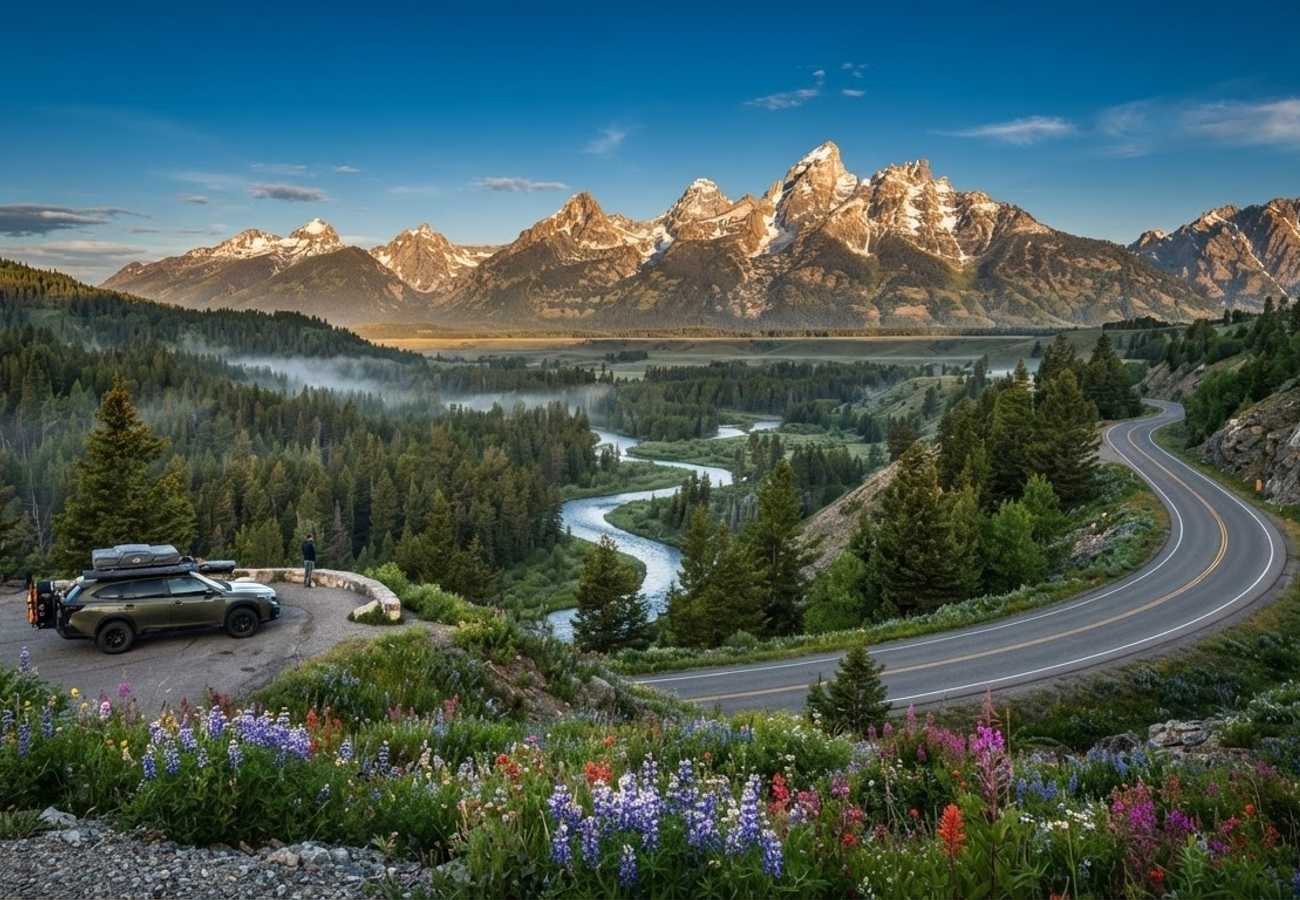
Image generated by AI
Over 331 million annual recreational visits to U.S. National Parks signal a massive behavioral shift toward remote, independent exploration. Travelers are now prioritizing cooler climates and open spaces over traditional urban holidays.
The Shift Toward Nature-Based Exploration
A significant transformation in travel behavior is reshaping the North American map. The Intermountain West—spanning Montana, Wyoming, Idaho, South Dakota, and Utah—alongside Southern Alberta, is witnessing an explosive surge in summer tourism. This trend is driven by a collective desire to avoid "overtourism" in metropolitan hotspots in favor of authentic, regional experiences.
The modern traveler is no longer satisfied with curated city breaks. Instead, there is a growing demand for "independent explorable spaces," leading to a revival of the iconic road trip. This migration toward the wild is not merely a preference for scenery but a strategic move to escape extreme summer heat and seek out the mental clarity provided by remote landscapes.
Regional Tourism Powerhouses: By the Numbers
The economic impact of this shift is most visible in the "anchor" destinations of the Intermountain West. These parks serve as the primary engines for regional wealth, funneling visitors into gateway towns that provide the necessary infrastructure for adventure.
National Park Performance Metrics
| Destination | Location | Annual Visitor Count | Primary Draw |
|---|---|---|---|
| Yellowstone | WY, MT, ID | 4 million+ | Geothermal features, Old Faithful, wildlife |
| Grand Teton | Wyoming | 3.6 million | Teton range, luxury lodging, photography |
| Glacier | Montana | 3.2 million | Going-to-the-Sun Road, glaciers, hiking |
| Badlands | South Dakota | 1 million+ | Unique geology, fossils, rural hiking |
Cultural and Environmental Value
For the visitor, the real impact of this trend is the transition from being a passive observer to an active participant in the ecosystem. The surge in interest toward Southern Alberta and the U.S. Intermountain West has forced a critical evolution in how these regions manage their heritage.
The shift toward nature-based tourism supports regional heritage by diverting economic power away from coastal megacities and into rural communities. Gateway towns like Whitefish, Kalispell, and Cody are seeing a direct infusion of capital through hotels, outdoor equipment rentals, and specialized guiding services.
However, this growth brings a tension between accessibility and preservation. To protect the very landscapes that attract millions, regional conservation bodies and park authorities are implementing stricter reservation systems and shuttle services. This move toward "managed access" ensures that the environmental integrity of the Rocky Mountains and the Great Plains remains intact for future generations.
Visitor Insider Tips
To navigate the 2026 summer surge and avoid the crowds, consider these local strategies:
- The "Shoulder" Window: To avoid the peak July-August congestion, target the "late shoulder" season in September. The crowds thin out, but the wildlife is often more active and the temperatures are ideal for hiking.
- Gateway Strategy: Instead of staying inside the park boundaries (which often requires booking six months in advance), base yourself in towns like Columbia Falls or West Yellowstone. You get a more authentic taste of local culture and a wider variety of dining options.
- Cultural Etiquette: When visiting Indigenous lands or protected areas in Southern Alberta and the Intermountain West, adhere strictly to "Leave No Trace" principles. Many regions now offer guided tours led by local Indigenous experts—these provide far more depth than standard sightseeing.
- Hidden Gem: While everyone flocks to the Going-to-the-Sun Road, explore the North Fork of the Flathead River for a quieter, more raw experience of the Montana wilderness.
Tourism Outlook
The long-term trajectory for the Intermountain West and Southern Alberta is one of "sustainable scaling." The current boom proves that there is a permanent market for remote, nature-centric travel. The challenge for 2027 and beyond will be balancing the economic windfall with the ecological carrying capacity of the land. As more travelers cross borders between Canada and the U.S. to explore these mountain corridors, we can expect an increase in cross-border tourism packages and integrated conservation efforts.
The era of the city break is yielding to the era of the open road.
Related Travel Guides
Disclaimer
This article is for informational and educational purposes only. It does not constitute legal, financial, or professional advice. While we strive to provide accurate and up-to-date information, travel policies, regulations, and conditions change rapidly. Always verify information with official sources before making travel decisions. Nomad Lawyer makes no representations about the accuracy, reliability, completeness, or suitability of the information provided. Readers should consult qualified professionals for advice specific to their circumstances. The views expressed in this article are those of the author and do not necessarily reflect the views of Nomad Lawyer.
Raushan Kumar
Founder & Lead Developer
Full-stack developer with 11+ years of experience and a passionate traveller. Raushan built Nomad Lawyer from the ground up with a vision to create the best travel and law experience on the web.
Learn more about our team →