
Houston Metro Stands Out with No Fare Hikes for 2026 FIFA World Cup: Affordable Public Transit Amid Rising Global Travel Costs and NRG Stadium Parking Surge
Houston defies trend with frozen Metro fares at $0.25 for buses/rail during 2026 FIFA World Cup, while rival cities hike prices and NRG Stadium parking soars to $19.99-$25.

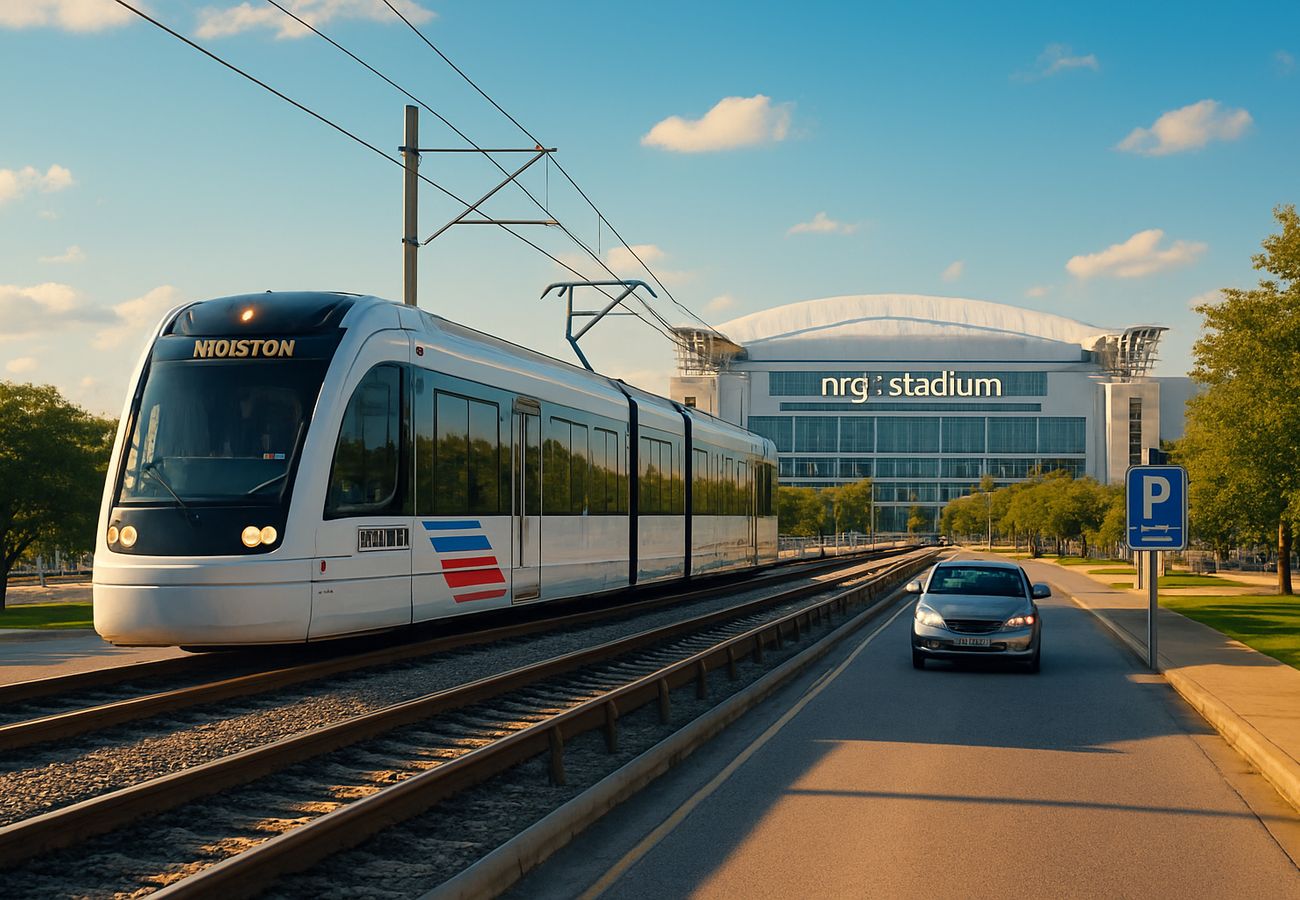
Image generated by AI
Houston's Bold Stance: Freezing Metro Fares While Global Travel Costs Skyrocket Ahead of 2026 FIFA World Cup
In a striking departure from the global trend of transportation cost inflation, Houston is positioning itself as the most budget-conscious destination for the 2026 FIFA World Cup. While major metropolitan areas across North America scramble to implement fare increases, the Metropolitan Transit Authority of Harris County (METRO) has made a decisive commitment to keep public transportation affordable for the anticipated influx of more than 500,000 visitors descending upon the Texas city.
This strategic decision represents far more than a simple operational choice—it's a calculated move to differentiate Houston as a traveler-friendly destination during one of the world's most expensive sporting events. As FIFA ticket prices surge through dynamic pricing mechanisms and international airfare continues climbing, Houston's frozen transit fares offer a rare respite for budget-conscious fans planning to attend the seven matches scheduled at NRG Stadium.
The Houston Advantage: Frozen Fares in an Era of Rising Transportation Costs
Metro Board Chair Elizabeth Gonzalez Brock has made the city's position crystal clear: affordability matters. In an era when transportation authorities nationwide are treating fare increases as inevitable responses to inflation and operational pressures, Houston's leadership has chosen a different path. The Metropolitan Transit Authority of Harris County (METRO) operates an integrated network encompassing buses, light rail, and Park-and-Ride services—and every single component maintains its current pricing structure.
The numbers tell a compelling story for budget-conscious World Cup travelers:
Bus and Light Rail Transit: Rides remain fixed at just $0.25 per trip, a price point that hasn't budged despite inflationary pressures affecting every other operational cost. For visitors planning to use public transportation extensively during their stay, this represents extraordinary value. A fan attending multiple matches and exploring Houston's attractions could theoretically spend less than $10 on transit for an entire week of travel.
Park-and-Ride Services: The commuter-friendly Park-and-Ride network maintains its pricing between $0.25 and $0.50, depending on distance traveled. This tiered approach ensures that visitors arriving by personal vehicle or rental car can still access affordable transit options for reaching NRG Stadium and other World Cup venues without paying premium parking rates at the stadium itself.
This commitment stands in stark contrast to the decisions being made in other major American cities. New York and Boston—both cities with substantial World Cup infrastructure and international visitor bases—are actively planning significant fare increases. These hikes will compound the already-substantial costs that international travelers face when visiting North America for major sporting events.
The Parking Paradox: Where Houston's Affordability Narrative Breaks Down
However, the story of Houston's budget-friendly approach to World Cup transportation contains a significant caveat that travelers must understand before booking their trips.
While METRO fares remain frozen at their remarkably low levels, NRG Stadium's official parking lots present an entirely different economic reality. The venue's parking pricing structure has surged dramatically, with regular vehicle parking ranging from $19.99 to $25 per event. This represents a substantial increase compared to standard rates at the facility and reflects the broader phenomenon of "event pricing" that has become endemic to major sporting venues worldwide.
For visitors driving to NRG Stadium, this creates a genuine dilemma. The choice becomes stark: pay $0.25 for a light rail ride from downtown Houston to the stadium, or pay $25 to park at the venue itself. The mathematics heavily favor public transportation, yet the decision ultimately depends on visitor preferences, accessibility needs, and where travelers are staying during their World Cup experience.
This parking surge, while frustrating for individual travelers, reflects a broader global trend. Major sporting events have become increasingly expensive propositions for fans, with venues leveraging dynamic pricing strategies that would have been unthinkable a decade ago. FIFA ticket prices themselves have climbed substantially, with secondary market prices for popular matches reaching astronomical levels. International airfare to Houston has similarly increased, with airlines capitalizing on the World Cup's drawing power.
Houston's Seven Matches: The Scale of the Transportation Challenge
The scope of Houston's World Cup hosting responsibility cannot be understated. The city will host seven matches across the tournament's group stage and knockout rounds, making it one of the primary American venues for the competition. Each match will draw tens of thousands of spectators, creating unprecedented demand on the city's transportation infrastructure.
NRG Stadium, the primary venue for these matches, sits in a location that makes public transportation access critical. The Metropolitan Transit Authority of Harris County (METRO) has responded to this challenge by planning substantial increases in service frequencies during the tournament period. These enhanced service levels will ensure that the system can handle the surge in ridership without creating bottlenecks or service delays that could frustrate visitors and damage Houston's reputation as a World Cup host.
The decision to maintain frozen fares becomes even more significant when viewed through this lens. With seven matches generating multiple waves of 50,000+ spectators each, the ability to move fans affordably and efficiently through the city's transit network becomes a matter of civic pride and practical necessity.
The FIFA Fan Fest Experience: Connecting NRG Stadium and East Downtown Houston
The FIFA Fan Fest—the official celebration zone for World Cup fans—will operate from June 11 to July 19, creating an extended period of heightened transportation demand. This isn't simply about match days; it's about creating a vibrant, accessible festival experience that welcomes fans regardless of their economic circumstances.
The Fan Fest will be anchored in two primary areas: NRG Stadium itself and EaDo (East Downtown Houston), a rapidly developing neighborhood that has become increasingly attractive to visitors. The geographic separation between these two zones makes efficient, affordable public transportation absolutely essential. Fans wanting to experience both the stadium matches and the downtown festival atmosphere need reliable transit options that won't drain their budgets.
METRO's frozen fare structure directly enables this kind of multi-venue exploration. A visitor could realistically spend an entire day moving between NRG Stadium and EaDo, attending matches, exploring the Fan Fest, and enjoying Houston's dining and entertainment scene—all while spending less than $5 on transportation. This accessibility fundamentally changes the economics of World Cup attendance for budget-conscious fans.
The MetroNow Initiative: Federal Investment in World Cup Infrastructure
Behind Houston's confident commitment to frozen fares lies a substantial federal investment in transit infrastructure and service quality. The MetroNow initiative, funded through federal grants, represents a strategic deployment of resources designed to enhance both the safety and staffing levels of the METRO system during the World Cup period.
This federal support proves critical. Maintaining frozen fares while simultaneously increasing service frequencies and enhancing safety protocols requires substantial financial resources. The MetroNow initiative bridges this gap, allowing Houston to deliver world-class public transportation without passing costs directly to riders. It's a model that demonstrates how federal investment in transit infrastructure can serve broader economic and civic goals.
The initiative focuses on several key areas: increased staffing to manage the surge in ridership, enhanced safety measures to ensure visitor confidence in the system, and service reliability improvements that will minimize delays and disruptions. For international visitors unfamiliar with Houston's transit system, these enhancements prove invaluable in creating a positive experience.
The Global Context: Why Houston's Approach Matters
To fully appreciate Houston's decision to freeze METRO fares, it's essential to understand the broader global context of World Cup economics. Major sporting events have become increasingly expensive for fans, with every component of the experience—tickets, travel, accommodation, food—subject to dynamic pricing and event-based surcharges.
FIFA ticket prices for the 2026 World Cup have climbed substantially compared to previous tournaments, with popular matches commanding premium prices that reflect global demand. International airfare to the United States has similarly increased, with airlines capitalizing on the World Cup's drawing power and the broader post-pandemic surge in travel demand. Hotel rates in Houston have climbed accordingly, with some properties implementing event-based pricing that can double or triple standard rates during match days.
Against this backdrop of escalating costs, Houston's commitment to frozen public transit fares represents a meaningful counterweight. It's a statement that at least one component of the World Cup experience will remain accessible to fans across the economic spectrum. It's also a shrewd competitive move—cities that maintain affordable transit during major events gain reputational advantages and encourage broader visitor spending in local businesses rather than on transportation costs.
Conclusion: Houston's World Cup Legacy
As the 2026 FIFA World Cup approaches, Houston is crafting a distinctive identity as a World Cup host city. While other major American cities implement fare increases and venues charge premium parking rates, Houston's Metropolitan Transit Authority of Harris County (METRO) has chosen a different path. The frozen fares at $0.25 for buses and light rail, combined with the $0.25-$0.50 Park-and-Ride pricing, represent a genuine commitment to accessibility.
This commitment will be tested during the tournament period, particularly during the FIFA Fan Fest from June 11 to July 19 and throughout the seven matches at NRG Stadium. The MetroNow initiative's federal funding will prove essential in ensuring that the system can handle the demand while maintaining service quality.
For travelers planning to attend World Cup matches in Houston, the message is clear: public transportation offers extraordinary value. While NRG Stadium parking will cost $19.99-$25, the light rail alternative costs just $0.25. While FIFA tickets and international airfare continue climbing, at least one component of the World Cup experience will remain genuinely affordable.
Houston isn't just hosting the World Cup—it's redefining what a budget-conscious World Cup experience can look like in the modern era.
Key Takeaways
- Frozen METRO Fares: Houston maintains $1.25 pricing for buses and light rail, and $2 to $4.50 for Park-and-Ride services throughout the 2026 FIFA World Cup
- 500,000+ Expected Visitors: The city anticipates more than half a million fans attending matches and events across the tournament period
- Seven Matches at NRG Stadium: Houston hosts group stage and knockout round matches, creating sustained transportation demand
- NRG Stadium Parking Premium: Official parking lots charge $98.99 to $175 per vehicle, making public transit the economical choice
- FIFA Fan Fest Accessibility: The June 11-July 19 festival spanning NRG Stadium and EaDo (East Downtown Houston) benefits from affordable transit connectivity
- MetroNow Federal Initiative: Federal funding supports enhanced staffing, safety measures, and service reliability during the World Cup period
- Competitive Advantage: New York and Boston are implementing fare hikes, making Houston's frozen pricing a distinctive competitive advantage
- Multi-Venue Exploration: Affordable transit enables fans to experience both stadium matches and downtown festival attractions without budget constraints
Related Travel Guides
Disclaimer
This article is for informational and educational purposes only. It does not constitute legal, financial, or professional advice. While we strive to provide accurate and up-to-date information, travel policies, regulations, and conditions change rapidly. Always verify information with official sources before making travel decisions. Nomad Lawyer makes no representations about the accuracy, reliability, completeness, or suitability of the information provided. Readers should consult qualified professionals for advice specific to their circumstances. The views expressed in this article are those of the author and do not necessarily reflect the views of Nomad Lawyer.
Kunal K Choudhary
Co-Founder & Contributor
A passionate traveller and tech enthusiast. Kunal contributes to the vision and growth of Nomad Lawyer, bringing fresh perspectives and driving the community forward.
Learn more about our team →