
Inside the National Congress of Active Tourism and Ecotourism in Gran Canaria: The Ultimate Blueprint for Sustainable Destination Management
Inside the National Congress of Active Tourism and Ecotourism in Gran Canaria: The Ultimate Blueprint for Sustainable Destination Management

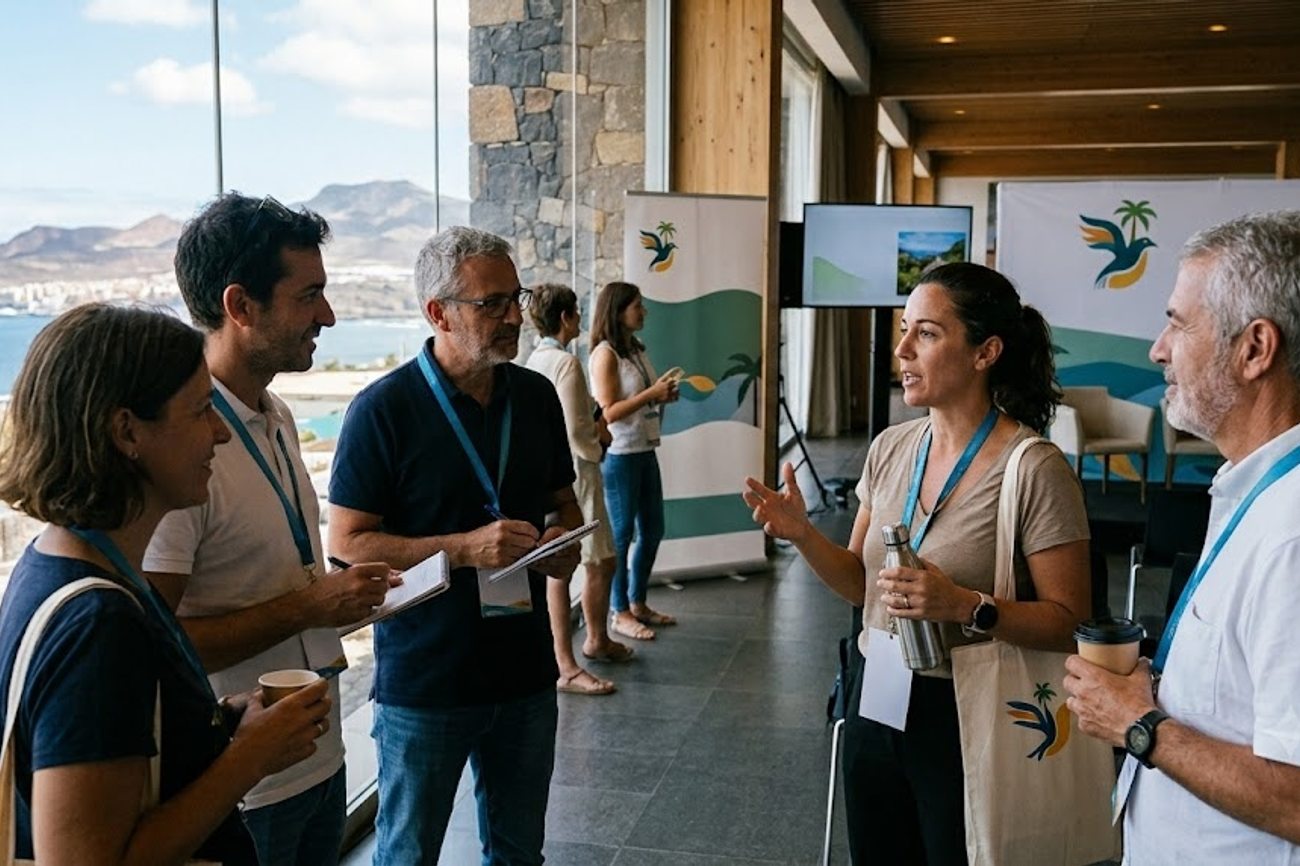
Image generated by AI
Global nature-based tourism revenue has seen a compound annual growth rate (CAGR) that consistently outpaces traditional leisure travel, yet the gap between visitor volume and regulatory oversight has widened by an estimated 15-20% in sensitive biomes over the last three years. This systemic imbalance is the primary driver behind the National Congress of Active Tourism and Ecotourism, which utilizes Gran Canaria as a live laboratory to synchronize commercial viability with ecological preservation.
The Ecotourism Governance Metric — From Theory to Implementation
The current shift in the active tourism sector is a move away from "passive sustainability"—where operators simply claim to be green—toward "structured governance." The National Congress of Active Tourism and Ecotourism represents a critical pivot point in this transition. By centering the summit on Gran Canaria, the industry is acknowledging that biodiversity hotspots can no longer be managed through fragmented, individual efforts.
The core of this movement is the professionalization of the "active" segment. Active tourism—defined by physical engagement with the environment—creates a higher per-capita impact on land than traditional sightseeing. The congress addresses three specific operational vulnerabilities: carbon footprint reduction in remote logistics, the mitigation of wildlife disturbance during adventure sports, and the deployment of green technology within isolated lodging infrastructures.
According to data tracked by the World Travel & Tourism Council (WTTC), the demand for regenerative travel is no longer a niche preference but a market requirement. The Gran Canaria model focuses on "standardized frameworks," which means moving toward a system where low-impact outdoor recreation is governed by the same rigor as aviation safety or hotel fire codes. This involves a transition toward specialized liability insurance and tourist quality certifications that are mandated by European legislation rather than suggested by voluntary guidelines.
Comparative Context: Regional Governance Benchmarks
When comparing the approach in Gran Canaria to other global ecotourism hubs, a distinct pattern emerges. While many regions rely on "capacity limits" (capping the number of visitors), the Canary Islands model focuses on "professionalized management." This means the focus is not just on how many people enter a reserve, but who is leading them and what protocols are being followed.
The collaboration between the National Association of Active Tourism and Ecotourism (ANETAE) and Ecoactiva Canarias signals a shift toward a public-private partnership model. This is a stark contrast to the unregulated expansion seen in emerging ecotourism markets in Southeast Asia or Central America, where individual operators often bypass environmental directives in favor of rapid growth.
| Governance Metric | Unregulated Ecotourism Model | Gran Canaria Professionalized Model | Industry Impact |
|---|---|---|---|
| Access Control | Individual/Disorganized | Coordinated/Professionalized | Reduced habitat fragmentation |
| Regulatory Basis | Voluntary Guidelines | European Mandates/Legislation | Higher legal compliance |
| Infrastructure | Rapid/Ad-hoc Expansion | Sustainable/Integrated Development | Long-term asset viability |
| Certification | Self-Declared "Green" | Standardized Quality Certs | Increased consumer trust |
| Risk Management | Basic Insurance | Specialized Liability Frameworks | Lower operator bankruptcy risk |
This shift is mirrored in broader global trends. As reported by UN Tourism (UNWTO), the transition toward sustainable destination governance is essential to prevent "overtourism" from destroying the very assets that attract visitors. The Gran Canaria approach treats the island's diverse microclimates—from volcanic calderas to laurel forests—as a controlled environment to test these governance models before scaling them to other global archipelagos.
Practical Traveler Advisory and Strategic Insights
For the individual traveler, the professionalization of active tourism will manifest as a change in how tours are booked and executed. The era of the "unregulated guide" is ending in favor of certified professionals.
If you are planning an active tourism trip to the Canary Islands or other European biosphere reserves in the next 12-24 months, expect the following shifts:
- Increased Lead Times: Because professionalized management prevents "disorganized access," spontaneous entry into sensitive natural reserves will become rarer. Booking 12-16 weeks in advance for high-demand ecological zones is now a necessity.
- Higher Premium for Certification: You will likely see a price increase for tours operated by ANETAE-certified guides. This premium covers specialized liability insurance and the cost of adhering to strict environmental protocols.
- Digitalized Access: The integration of "state-of-the-art tracking software" mentioned in the congress indicates that travelers will increasingly be required to use digital permits or GPS-tracked itineraries to ensure they remain on designated paths.
- Transparent Impact Reporting: Travelers should begin demanding "eco-certification" data. If an operator cannot provide a specific certification linked to regional governmental backing, they are likely operating under the old, unregulated model, which carries higher environmental and safety risks.
Forward Projection: The 2030 Ecotourism Trajectory
Based on the current trajectory of the National Congress of Active Tourism and Ecotourism, we can project that by 2030, "Active Tourism" will be a fully regulated professional category across the EU. We are moving toward a "Permit-Based Economy" for nature travel.
The data suggests that the "immersive laboratory" approach used in Gran Canaria will be exported to other sensitive regions. We will likely see the emergence of a global "Green Passport" for active tourists—a digital credential that proves a traveler has adhered to low-impact protocols in previous destinations, granting them access to more sensitive reserves.
Furthermore, the focus on "renewable resource utilization within hospitality" will move from a luxury add-on to a baseline requirement. Remote lodges that do not implement the green technologies discussed at this summit will find themselves uninsurable and unable to secure the quality certifications required by high-net-worth, environmentally conscious travelers. As tracked by IATA, the pressure to decarbonize the entire travel chain—from the flight to the remote lodge—will make these standardized frameworks the only way for operators to remain commercially viable.
FAQ: Active Tourism Governance 2024
Will these new regulations make ecotourism more expensive? Yes. The transition from unregulated to professionalized tourism involves costs for certification, specialized insurance, and sustainable infrastructure. However, this ensures the long-term survival of the destination, preventing the total collapse of the ecosystem.
Is it still possible to find "off-the-beaten-path" experiences? Yes, but they will be managed. The goal of the Gran Canaria model is not to eliminate exploration but to eliminate "disorganized access." You will still find remote areas, but they will be accessed via certified professionals.
Which certifications should I look for when booking? Look for operators affiliated with ANETAE or those holding regional government-backed sustainability certifications. Avoid operators who use generic terms like "eco-friendly" without citing a specific regulatory framework or third-party auditor.
How does this affect the safety of the traveler? It increases it significantly. The focus on "specialized liability insurance" and "risk management tools" means that active tourism is moving away from "adventure at your own risk" toward a professional safety standard.
The transition from haphazard exploration to governed experience is the only way to ensure that the world's biodiversity remains a destination rather than a memory.
Related Travel Guides
- Get People Excited About Peru! Discover Why This 100-Year-Old Museum is a Must-Visit Destination
- Philippines Just Got Michelin Restaurant: Tourism Shifting To Future-Proof Resilience and Diverse Culinary Heritage
- US Leads Mexico and More Markets as Bogotá Expands Its Powerful 2026 Tourism and Aviation Network: All Details
Disclaimer
This article is for informational and educational purposes only. It does not constitute legal, financial, or professional advice. While we strive to provide accurate and up-to-date information, travel policies, regulations, and conditions change rapidly. Always verify information with official sources before making travel decisions. Nomad Lawyer makes no representations about the accuracy, reliability, completeness, or suitability of the information provided. Readers should consult qualified professionals for advice specific to their circumstances. The views expressed in this article are those of the author and do not necessarily reflect the views of Nomad Lawyer.
Raushan Kumar
Founder & Lead Developer
Full-stack developer with 11+ years of experience and a passionate traveller. Raushan built Nomad Lawyer from the ground up with a vision to create the best travel and law experience on the web.
Learn more about our team →