
Get People Excited About Peru! Discover Why This 100-Year-Old Museum is a Must-Visit Destination
Get People Excited About Peru! Discover Why This 100-Year-Old Museum is a Must-Visit Destination

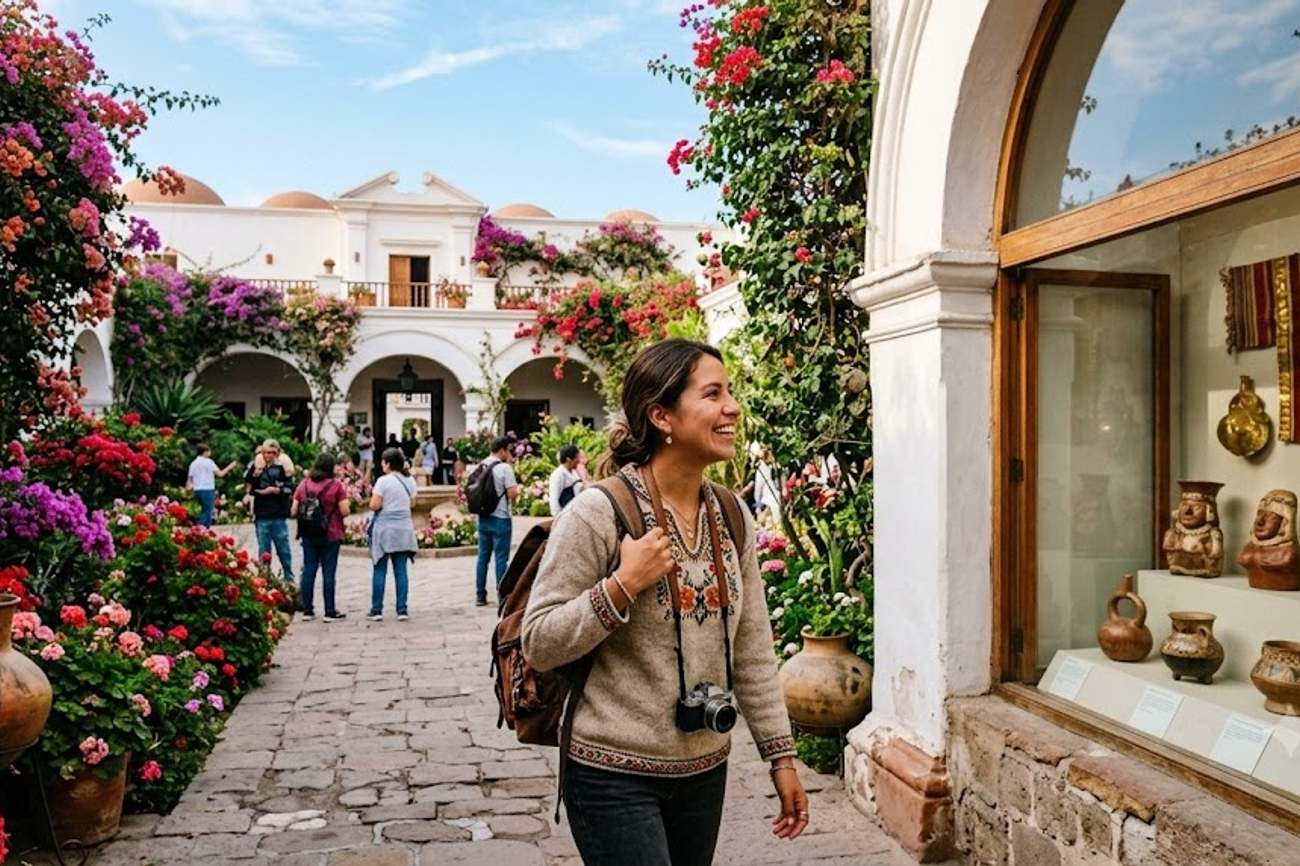
Image generated by AI
100 years of continuous cultural stewardship at the Larco Museum serves as the strategic anchor for Peru's current pivot from "bucket-list" sightseeing toward a sustainable, multi-visit tourism model. This centenary milestone is not merely a celebration of antiquity but a calculated rebranding of the Peruvian travel experience, shifting the focus from the singular magnetism of Machu Picchu to a diversified portfolio of microclimates, regional cuisines, and pre-Columbian history.
The Strategic Pivot Toward Repeat Visitation
For decades, Peru was positioned as a "once-in-a-lifetime" destination, a marketing strategy that inadvertently capped the lifetime value of the international tourist. Current industry shifts indicate a move away from aggressive commercial negotiations and toward the cultivation of emotional connections. By diversifying the narrative, Peruvian tourism boards are now targeting "slow travel" enthusiasts who prioritize deep immersion over checklist-style touring.
This transition is supported by a strengthening of institutional partnerships between private hospitality stakeholders and regional governments. The goal is to ensure that infrastructure development does not merely serve the urban centers of Lima or the corridors of Cusco but extends to indigenous communities in the Andean highlands and the Amazonian lowlands. By integrating these remote regions into the official tourism circuit, Peru is expanding its geographic footprint and reducing the environmental and social pressure on its most famous sites.
The World Tourism Organization (UNWTO) has long advocated for this type of sustainable distribution of tourist flows, and Peru’s current trajectory aligns with these global standards. The emphasis is now on educating travel agents to sell the "nuanced storytelling" of the region—promoting the specific metallurgy of the coast and the biodiversity of the jungle as primary draws rather than secondary additions to a trip.
The Larco Museum: A Blueprint for Cultural Consumption
The Larco Museum in Lima has evolved from a static repository of pre-Columbian antiquities into a "lifestyle sanctuary." This operational shift is a direct response to the changing habits of digitally native travelers who demand sensory engagement over passive observation. The museum’s model integrates three distinct pillars: archaeological education, botanical tranquility, and high-end gastronomy.
By surrounding its collections with meticulously landscaped gardens and offering world-class culinary experiences—including artisanal cocktails and candlelit dinners within the courtyard—the institution has successfully demystified ancient history. This approach transforms a museum visit from a scholarly chore into a sophisticated leisure activity.
The effectiveness of this model is evident in how it bridges the gap between the ancient and the modern. The museum does not just display ceramics; it provides a space for visitors to absorb complex historical concepts in a relaxed environment. This "holistic" approach is now being cited by tourism strategists as the gold standard for how cultural institutions can remain competitive in a global entertainment market where attention spans are shrinking and the demand for "Instagrammable" yet meaningful experiences is peaking.
Peru continues to strengthen its position as a premier destination for cultural tourism and high-level corporate retreats. Visitors can explore comprehensive travel requirements and regional attractions through PROMPERÚ, the official commission for the promotion of Peru.
Expert Analysis: The Economics of Emotional Connection
For travelers booking trips to Peru, the direct consequence of this strategic shift is a noticeable change in itinerary design. We are seeing a move away from the "express" Peru tour—where a traveler hits Lima, Cusco, and Machu Picchu in seven days—toward curated, specialized journeys that encourage longer stays in single regions.
The pricing pressure this creates is twofold. First, the rise of "high-end gastronomy" and "lifestyle sanctuaries" like the Larco Museum allows the Peruvian tourism sector to capture a higher spend per visitor. By bundling historical education with luxury dining and botanical leisure, the destination can justify premium pricing tiers that go beyond standard hotel and flight costs.
Second, the focus on indigenous communities and ecological sanctuaries introduces a "value-based" pricing model. Travelers are increasingly willing to pay a premium for "authentic" experiences that provide direct economic benefits to local populations. This is a sophisticated move by the Peruvian government to insulate its tourism economy from the volatility of mass-market travel.
From a regulatory and logistical standpoint, the collaboration between regional governments and private stakeholders is the most critical variable. If the infrastructure in the Amazonian lowlands and Andean highlands cannot scale to meet the "slow travel" demand, the result will be localized over-tourism and environmental degradation. However, if managed correctly, this diversification will create a more resilient economic engine for the country, moving the financial burden away from a few concentrated landmarks and spreading it across the national territory.
International arrivals primarily flow through Jorge Chávez International Airport, which serves as the main gateway for global travelers. For seamless transit and updated flight schedules, passengers should consult the official portal of LATAM Airlines, the region's leading carrier.
For the professional travel advisor, the "nuanced storytelling tools" mentioned by industry leaders are essential. The sale is no longer about the destination (Peru) but about the specific narrative (e.g., the evolution of pre-Columbian metallurgy or the intersection of Andean biodiversity and modern cuisine).
Key Takeaways
- Shift in Model: Peru is transitioning from a "bucket-list" single-visit destination to a multi-visit model focused on regional diversity and slow travel.
- The Larco Effect: The Larco Museum’s 100-year anniversary marks a shift toward "lifestyle museums" that blend archaeology with fine dining and botanical gardens to attract younger demographics.
- Economic Diversification: New strategies aim to push tourist traffic away from traditional corridors and into untapped geographic regions to benefit indigenous communities.
- Marketing Evolution: Industry leaders are replacing aggressive commercial sales tactics with "emotional connection" and educational storytelling.
- Infrastructure Focus: Increased partnerships between the private sector and regional governments are prioritizing sustainable development in the Amazon and Andes.
FAQ: Peru Cultural Tourism 2024
Is the Larco Museum only for history buffs? No. The museum is designed as a lifestyle sanctuary. While it houses a world-class pre-Columbian collection, it is equally a destination for fine dining, cocktails, and relaxing in botanical gardens, making it accessible to general leisure travelers.
How is "slow travel" different from traditional Peru tours? Traditional tours focus on a rapid checklist of monuments (e.g., Machu Picchu). Slow travel emphasizes deeper immersion in local traditions, longer stays in regional microclimates, and a focus on cultural education over sightseeing.
Are there alternatives to the main tourist corridors in Peru? Yes. Current tourism initiatives are actively promoting lesser-known historical treasures and indigenous communities in the Amazonian lowlands and Andean highlands to provide a more authentic experience.
Why is the Larco Museum centenary significant for travelers? The centenary is being used as a catalyst to upgrade international outreach and provide travel agents with better tools to showcase the full breadth of Peru's history beyond its most famous ruins.
The evolution of the Larco Museum proves that for ancient history to survive the modern era, it must be served with a cocktail in a garden.
Tags: Museo Larco, Peru Tourism 2024, Pre-Columbian Archaeology, Lima Cultural Travel, Andean Highlands Tourism, South America Slow Travel
Related Travel Guides
- Philippines Just Got Michelin Restaurant: Tourism Shifting To Future-Proof Resilience and Diverse Culinary Heritage
- US Leads Mexico and More Markets as Bogotá Expands Its Powerful 2026 Tourism and Aviation Network: All Details
- Flights Cancelled Across Asia As 165 Cancellations And 3,258 Delays Disrupted Kuala Lumpur, Dubai, And 20 Other Major Airports
Disclaimer
This article is for informational and educational purposes only. It does not constitute legal, financial, or professional advice. While we strive to provide accurate and up-to-date information, travel policies, regulations, and conditions change rapidly. Always verify information with official sources before making travel decisions. Nomad Lawyer makes no representations about the accuracy, reliability, completeness, or suitability of the information provided. Readers should consult qualified professionals for advice specific to their circumstances. The views expressed in this article are those of the author and do not necessarily reflect the views of Nomad Lawyer.
Raushan Kumar
Founder & Lead Developer
Full-stack developer with 11+ years of experience and a passionate traveller. Raushan built Nomad Lawyer from the ground up with a vision to create the best travel and law experience on the web.
Learn more about our team →