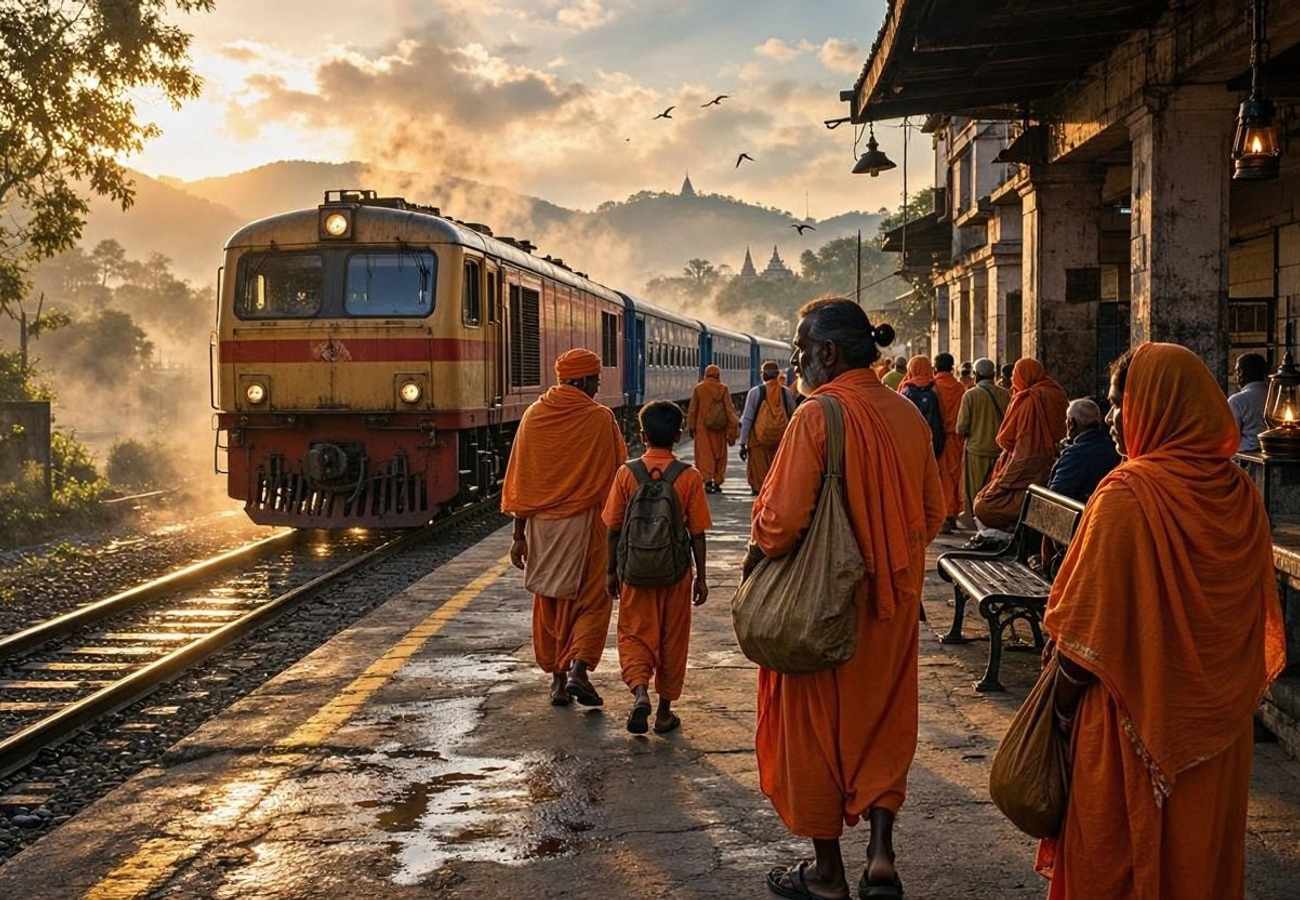
Indian Railways Expands Palwal Local Train Services to Mathura and Kosi Kalan in 2026

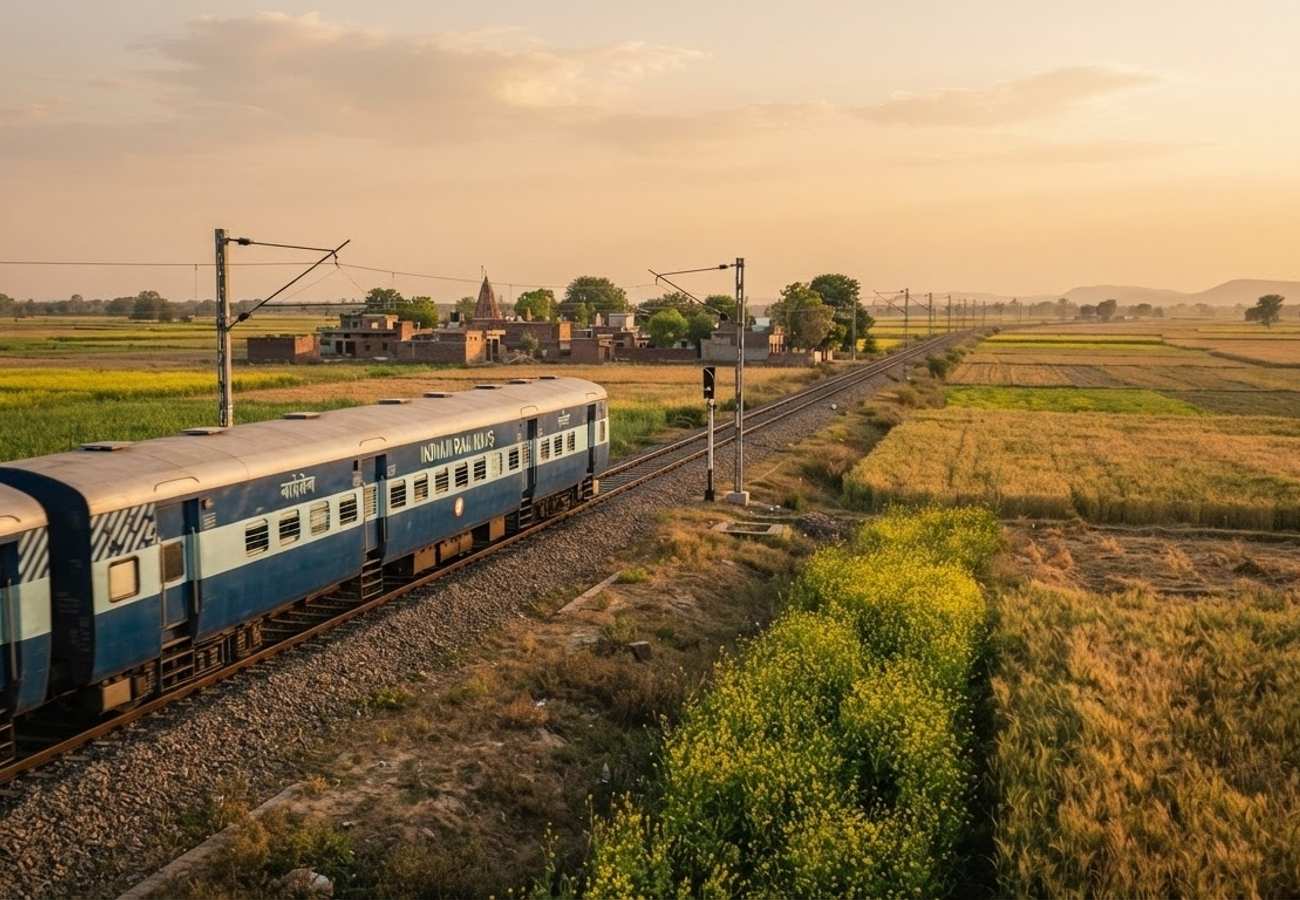
Image generated by AI
Thousands of daily commuters across Haryana and Uttar Pradesh now have direct rail access as Indian Railways extends four key passenger services from Palwal to Mathura and Kosi Kalan.
The regional transport dynamic between Haryana and the Delhi-NCR zone is shifting. By expanding the reach of existing local services, Indian Railways is targeting the "last-mile" struggle for residents of rural hubs and satellite towns. This expansion is not merely a logistical tweak but a strategic move to integrate smaller economic zones with the massive commercial engines of Delhi and Ghaziabad.
The Connectivity Shift: New Route Extensions
The expansion focuses on the Palwal-Mathura corridor, a vital artery for workers and students. Rather than introducing entirely new trains—which would require significant infrastructure overhauls—the railway authority has extended the existing range of four specific passenger services.
For the traveler, the change is immediate. The following train numbers have been modified to provide deeper penetration into the region:
| Train Number | New Destination Extension | Primary Impact Area |
|---|---|---|
| 64016 | Mathura | Palwal $\rightarrow$ Mathura Corridor |
| 64019 | Mathura | Palwal $\rightarrow$ Mathura Corridor |
| 64082 | Kosi Kalan | Palwal $\rightarrow$ Kosi Kalan Corridor |
| 64051 | Kosi Kalan | Palwal $\rightarrow$ Kosi Kalan Corridor |
This extension removes the need for multiple transfers, which previously added significant time and stress to the daily commute. By streamlining the journey from Palwal, Hodal, and Kosi Kalan, the network now offers a more predictable and affordable alternative to road transport.
Cultural and Environmental Value
The real impact of this rail expansion is felt in the rural-urban bridge. For the visitor or the local resident, the ability to move between the spiritual hub of Mathura and the commercial center of Delhi without relying on congested highways is a significant quality-of-life improvement.
From a sustainability perspective, shifting thousands of daily commuters from private vehicles and unregulated shuttle buses to the rail network directly reduces the carbon footprint of the Haryana-UP corridor. By leveraging existing tracks and rolling stock, Indian Railways is practicing an efficient form of eco-tourism and transit development—increasing capacity without the environmental cost of new construction.
Furthermore, this connectivity supports the local economy. Small-scale entrepreneurs and farmers in the rural areas surrounding Palwal and Kosi Kalan now have a more reliable link to larger markets, fostering a more balanced regional economic growth.
Visitor Insider Tips
Navigating the Palwal-Mathura-Kosi Kalan corridor requires a bit of local knowledge to avoid the chaos of peak hours.
- The Evening Rush: The extension is specifically designed to alleviate evening congestion. If you are traveling toward Delhi-NCR during the 5:00 PM to 8:00 PM window, these extended services are your best bet to avoid the gridlock of the National Highways.
- Ticket Strategy: For these local passenger trains, avoid the main counters during peak hours. Use the UTS (Unreserved Ticketing System) mobile app to secure your tickets and bypass the queues.
- Local Dining: When stopping at Mathura, move away from the immediate station exits and head toward the local markets for authentic Mathura ke Pede—a regional sweet specialty that is a must-try for any visitor.
- Cultural Etiquette: When traveling through rural Haryana and UP, be mindful of local customs. Dress modestly and be prepared for crowded carriages; the "general" class is a social experience where sharing space is the norm.
Tourism and Regional Outlook
The long-term trajectory for this region is one of aggressive integration. As Delhi-NCR expands outward, towns like Palwal and Kosi Kalan are evolving from rural outposts into essential residential hubs. The decision by Indian Railways to prioritize short-distance, high-frequency connectivity suggests a future where the "commuter belt" is defined by rail rather than road.
By strengthening the links to Mathura—a major pilgrimage and tourism destination—the railways are also opening the door for "slow travel" enthusiasts. Visitors can now more easily combine a business trip to Delhi with a cultural excursion to the temples of Mathura using affordable local transit.
A smarter, faster connection that turns a grueling commute into a seamless journey.
Related Travel Guides
This article is for informational purposes. Flight routes, passenger regulations, visa rules, and transit advisories are subject to change by airlines and aviation authorities. Readers are advised to verify schedules and travel documentation with relevant carriers and border agencies before departure.
Related Stories
Supreme Court Mandates Travel Insurance for Indian Railways Counter Tickets Effective 27 October 2026 to Protect Offline Commuters
Tokyo and Delhi Rail Congestion: How 180% Peak Loads Trigger Regional Tourism Collapses in 2026