
India Travel Surge as Indian Railways Moves 67.27 Crore Passengers With Suburban Demand Rising Nine Percent
India Travel Surge as Indian Railways Moves 67.27 Crore Passengers With Suburban Demand Rising Nine Percent

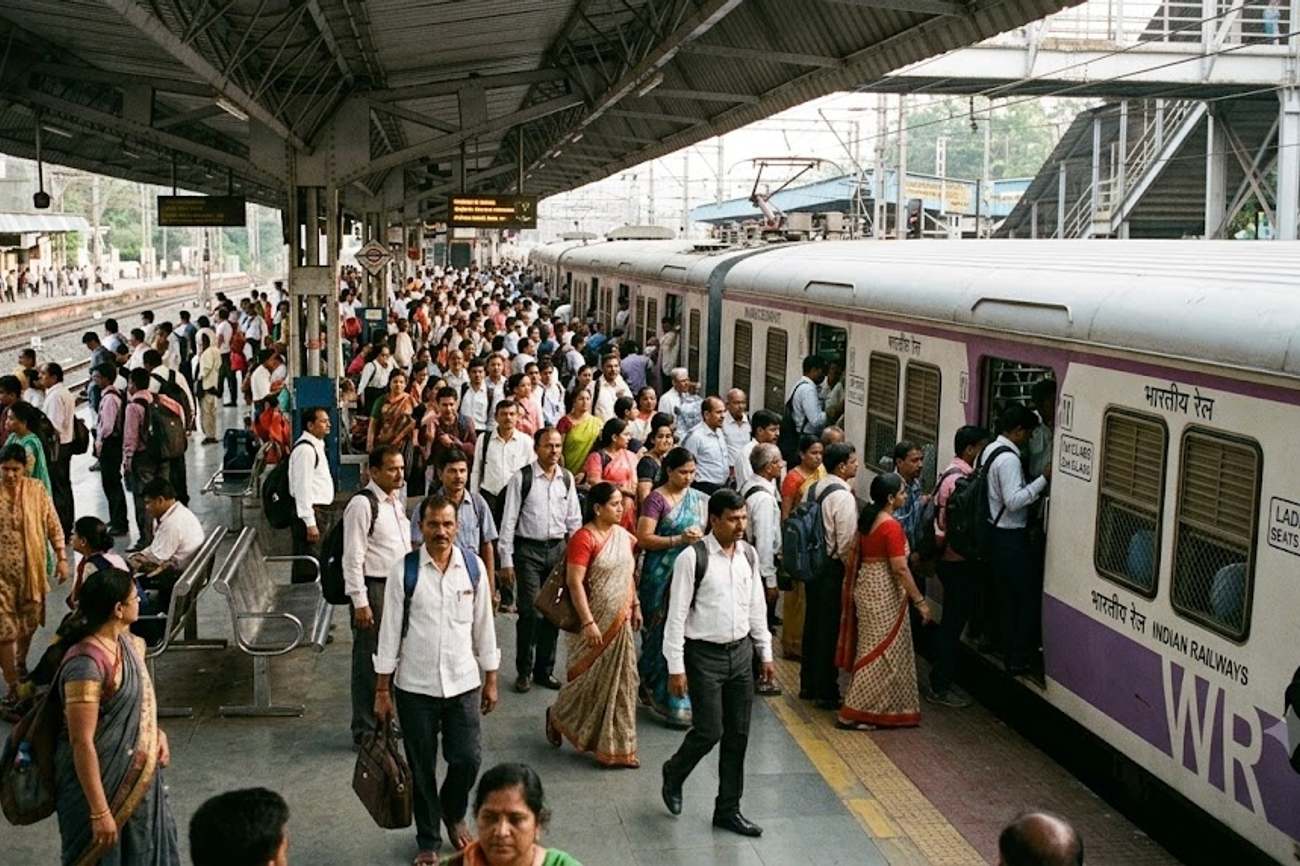
Image generated by AI
Are you planning a trip across India during a peak festival window or commuting through a major metro? Navigating the Indian rail network during high-demand periods requires a strategic approach to booking and routing, especially with the recent surge in passenger volumes.
The 2026 Indian Rail Capacity Expansion
The Indian rail network has seen a massive uptick in utilization, moving 67.27 crore passengers in August 2026. This is a notable increase from the 64.43 crore passengers recorded in August 2025. For the traveler, this means higher density on trains and a greater need for early planning. The growth is primarily driven by a 9 per cent increase in suburban rail usage, where 38.01 crore people utilized local networks in August 2026, compared to 34.89 crore in August 2025.
To manage this load, the national transporter has shifted toward "surge capacity" models. This is most evident during festival windows; for instance, between 25 and 31 August 2026, the railway operated 144 Rakshabandhan Special train trips. To put that in perspective, only 48 trips were operated during the corresponding period in August 2025. If you are traveling during a national holiday, you should look specifically for these "Special" designations in the booking system, as they often provide the only available seats when regular expresses are full.
Route and Schedule Details
The most significant permanent addition to the network is the regularization of Amrit Bharat services. These are designed as high-capacity, affordable long-distance options. If you are traveling between the following hubs, these services are now your primary baseline for budget-friendly transit.
| Route | Service Type | Status | Primary Connection |
|---|---|---|---|
| Subedarganj $\rightarrow$ Lokmanya Tilak Terminus | Amrit Bharat | Regularized | North $\rightarrow$ West |
| Gorakhpur $\rightarrow$ Bandra Terminus | Amrit Bharat | Regularized | North $\rightarrow$ West |
| Gorakhpur $\rightarrow$ Delhi Junction | Amrit Bharat | Regularized | North $\rightarrow$ North |
| Ahmedabad $\rightarrow$ Bhagalpur | Amrit Bharat | Regularized | West $\rightarrow$ East |
| Lokmanya Tilak Terminus $\rightarrow$ Prayagraj Junction | Amrit Bharat | Regularized | West $\rightarrow$ North |
| Prayagraj Junction $\rightarrow$ Udhna Junction | Amrit Bharat | Regularized | North $\rightarrow$ West |
| Dhanbad $\rightarrow$ Coimbatore | Amrit Bharat | Regularized | East $\rightarrow$ South |
Traveler Logistics Guide
Navigating a system moving over 67 crore passengers monthly requires more than just a ticket; it requires a logistics strategy. Here is how to handle your transit.
Booking and Ticketing Strategy For the Amrit Bharat and regular express routes, avoid waiting until the last minute. Use the Indian Railways (IRCTC) portal for all bookings. During festival periods, keep a close watch on "Special Train" announcements. These are often released separately from the general timetable and can be the difference between getting a berth or being stranded.
Digital Transit Integration To bypass the massive queues at major terminals like Delhi Junction or Lokmanya Tilak Terminus, integrate your identity documents with Digi Yatra. While primarily for airports, the push toward digital identity is streamlining movement across Indian transit hubs. Always keep a digital copy of your PNR and a government-approved ID on your mobile device.
Suburban Transit Maneuvers With suburban travel growing by 9 per cent, local trains in cities like Mumbai or Kolkata are extremely crowded. If you are using these for the first time:
- Avoid peak hours (08:00–11:00 and 17:00–20:00).
- Purchase your tickets via mobile apps to avoid the physical ticket counters.
- Be aware that suburban trains operate on a different ticketing logic than long-distance trains; your long-distance ticket will not grant you access to the local suburban network.
Baggage and Boarding On Amrit Bharat services, which are designed for affordability and high volume, space is at a premium. Limit your luggage to one medium suitcase and one backpack. Ensure your luggage is locked and kept within sight, as high-density passenger movement increases the risk of misplaced items.
Connection Buffers If you are transferring from a long-distance train to a suburban service, allow at least 90 minutes. The sheer volume of passengers (over 38 crore monthly in suburban sectors) means that navigating the station platforms can take significantly longer than expected.
Regional Connectivity Impact
The expansion of the rail network is not limited to passengers. The logistics backbone of India is shifting toward a more decentralized model. In August 2026, five new Gati Shakti Cargo Terminals (GCTs) were commissioned, bringing the total to 149 as of 31 August 2026. These new hubs are located in:
- Shivlakha, Gujarat
- Nalli, Tamil Nadu
- Shaktinagar, Uttar Pradesh
- Deoragram, Madhya Pradesh
- Brajrajnagar, Odisha
For the business traveler or logistics consultant, this means that freight movement is becoming more efficient. Freight transportation rose to 137.9 million tonnes in August 2026, up from 130.9 million tonnes in August 2025—a 5.4 per cent increase. This growth is driven by industrial demand for steel, coal, and fertilizers.
The synergy between the new GCTs and the regularized Amrit Bharat passenger routes suggests a broader strategy: connecting industrial hinterlands directly to major urban centers. If you are coordinating shipments or visiting industrial sites in Odisha or Tamil Nadu, expect improved rail-to-road connectivity near these new terminals.
FAQ: India Rail Transit 2026
Do I need a special visa for rail travel? No, your standard Indian entry visa (Tourist, Business, or e-Visa) is sufficient for all rail travel. However, you must carry a physical or digital copy of your passport/visa for verification by Ticket Examiners (TTEs).
How do "Special" festival trains differ from regular ones? Special trains are temporary additions to the schedule to handle surges, such as the 144 Rakshabandhan trips in August 2026. They may have different fare structures and may not follow the standard daily timetable.
Can I check bags through on Amrit Bharat trains? No, Indian Railways does not offer a "check-through" baggage service like airlines. You are responsible for your luggage from boarding to disembarking. Use locks and keep valuables in your carry-on.
How long should my layover be between trains? Given the current volume of 67.27 crore monthly passengers, a minimum of 3 to 4 hours is recommended for inter-city transfers to account for potential delays and station navigation.
Plan your berths early, keep your digital IDs ready, and always account for the surge.
#IndianRailways2026 #AmritBharatRoutes #GatiShaktiLogistics #RakshabandhanTransit #IRCTCGuide #IndiaSuburbanRail
Related Travel Guides
- Netherlands’ Amsterdam Centraal Climbs To Europe’s Top Rail Elite As 2026 Ranking Reveals A New Golden Era For Train Travel
- Switzerland Aligns With Italy And France As Rail Journeys Transform Autumn And Winter Travel
- UK Rail Faces Asset Renewal Challenge as Smarter Decisions Shape Future Passenger Reliability in 2026
Disclaimer
This article is for informational and educational purposes only. It does not constitute legal, financial, or professional advice. While we strive to provide accurate and up-to-date information, travel policies, regulations, and conditions change rapidly. Always verify information with official sources before making travel decisions. Nomad Lawyer makes no representations about the accuracy, reliability, completeness, or suitability of the information provided. Readers should consult qualified professionals for advice specific to their circumstances. The views expressed in this article are those of the author and do not necessarily reflect the views of Nomad Lawyer.
Naina Thakur
Contributor & Travel Specialist
Travel enthusiast and legal writer covering visa regulations, responsible tourism, and cultural journeys across global destinations.
Learn more about our team →