Munich Follows Frankfurt And More Places In Germany As Over 2% Oil Slide Unlocks Relief For Aviation And Tourism

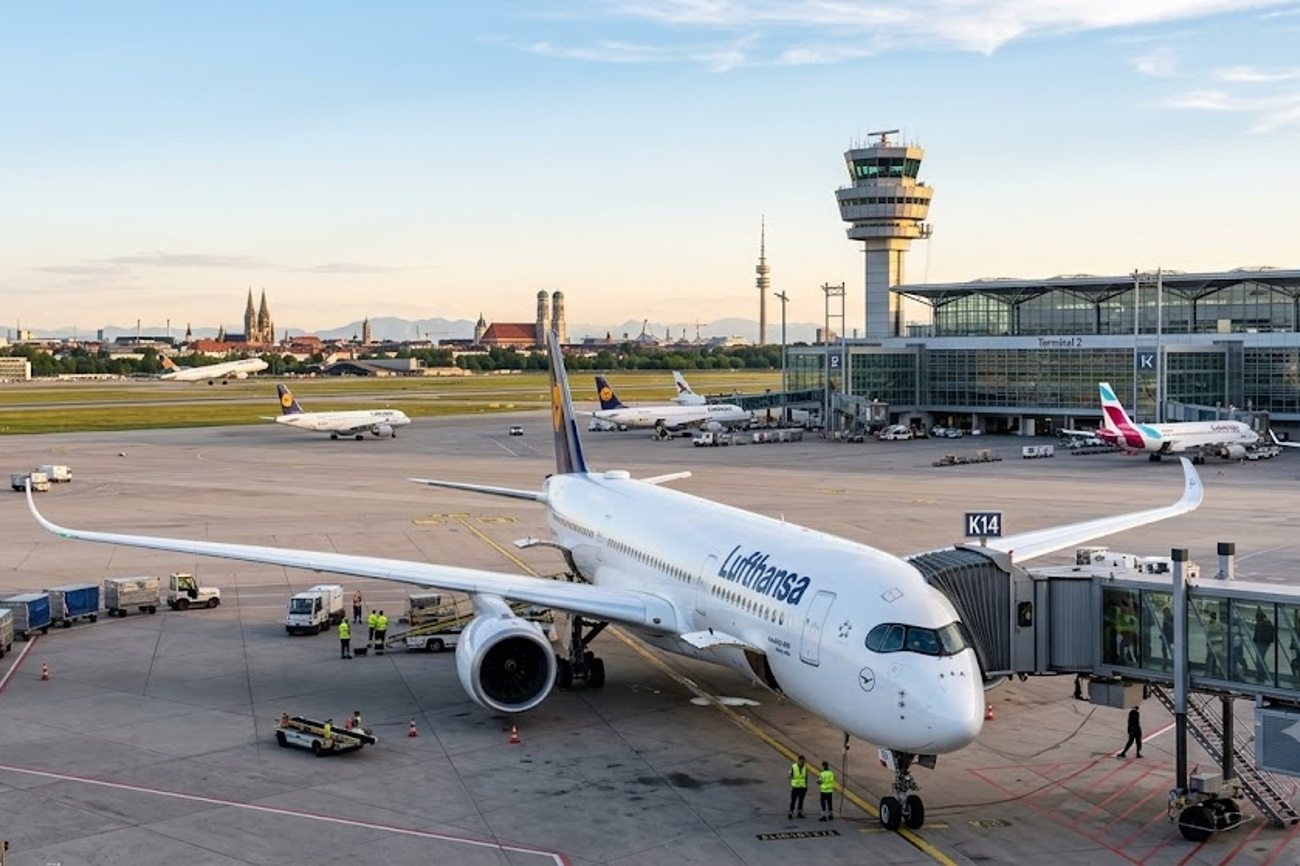
Image generated by AI
[Berlin, September 21, 2026] — Global crude oil prices plummeted by more than 2% today, triggering an immediate wave of economic optimism across Germany’s aviation, tourism, and logistics sectors. The price drop follows a significant recovery in energy exports from Saudi Arabia, effectively neutralizing widespread fears of a global energy shortage.
Brent crude fell to approximately $101.71 per barrel, while US West Texas Intermediate (WTI) dropped to roughly $98.15 per barrel. This market correction comes as Saudi Arabia reported a surge in oil exports, which climbed to over 4 million barrels per day in September, a sharp increase from the 2.4 million barrels per day recorded in August.
Saudi Supply Surge Triggers Market Correction
The primary catalyst for this price decline is the stabilization of the Saudi Arabian supply chain. After a period of volatility and disruption, the Kingdom's ability to restore export volumes has eased the pressure on global energy markets. For Germany, one of the world's most energy-intensive industrial economies, this shift provides a critical buffer against the inflationary pressures that have plagued transport and manufacturing.
While the raw commodity price has dropped, the impact on the ground is not instantaneous. Market analysts note that retail petrol stations and aviation fuel markets typically lag behind crude price movements due to the complexities of refining costs, existing tax structures, and current inventory levels. However, the downward trend in Brent and WTI provides a baseline for reduced future operating costs across the European Union.
Regional Impact Across German Hubs
The relief is being felt unevenly across Germany, with the most significant impacts concentrated in major aviation gateways and industrial centers.
| Region/City | Primary Impact Area | Expected Benefit |
|---|---|---|
| Frankfurt | Long-haul aviation & Cargo | Reduced pressure on ticket pricing and cargo freight costs |
| Munich | International Tourism & Business | Lower operational overhead for airlines and luxury travel |
| Berlin | Domestic Tourism & Commuting | Increased consumer spending and predictable tour operator costs |
| Hamburg | Maritime & Logistics | Lowered fuel expenses for shipping and port-related trucking |
| Stuttgart | Automotive Manufacturing | Reduced logistics pressure for vehicle production and transport |
| Düsseldorf | Industrial Logistics | Lowered operating expenses for the North Rhine-Westphalia network |
In Frankfurt, the nation's primary aviation gateway, the price drop is expected to bolster airline profitability and potentially stabilize passenger ticket pricing. Similarly, Munich is seeing a positive outlook for its high-end tourism sector, including Alpine regional travel and international conference flows.
Practical Traveler Advisory and Strategic Insights
For the average traveler, this oil price dip does not mean an immediate discount at the pump or a sudden drop in airfare, but it does signal a period of price stabilization.
As oil prices slide over 2%, Munich follows Frankfurt in experiencing a surge in aviation and tourism activities, bringing relief to the industry. According to the German Federal Ministry of Transport and Digital Infrastructure, this decline in oil prices is expected to have a positive impact on the aviation sector, leading to increased air travel and tourism. With this development, airlines such as Lufthansa are likely to benefit, offering more flights and routes to destinations across Germany.
Air Travel: Airlines are currently grappling with high jet fuel inventories. While crude is cheaper, the International Air Transport Association (IATA) and individual carriers typically hedge fuel prices months in advance. Passengers should not expect immediate fare drops, but the decline reduces the likelihood of "fuel surcharges" being added to tickets in the coming quarter.
Road Trips: For those visiting the Bavarian Alps, Garmisch-Partenkirchen, or the North Sea and Baltic coasts, lower crude prices will eventually filter down to diesel and petrol pumps. This makes car-based domestic tourism more affordable and encourages regional movement.
Business Travel: Companies operating out of hubs like Frankfurt and Düsseldorf may see a reduction in corporate travel expenses as logistics and transport providers pass on fuel savings.
Aviation Sector Risks and Outlook
Despite the current relief, the German aviation sector remains on high alert. The European Union Aviation Safety Agency (EASA) and airport operators continue to monitor refinery capacity and regional supply disruptions. Crude oil is only one part of the equation; the availability of refined jet fuel is the more critical metric for daily operations.
Major airports, including Frankfurt Airport (FRA) and Munich Airport (MUC), are monitoring whether this price drop is a permanent trend or a short-term fluctuation. Geopolitical instability in the Middle East remains the primary risk factor; any sudden disruption to the newly recovered Saudi export volumes could trigger an immediate price spike, erasing current gains.
In the short term, the focus remains on how quickly these savings move from the global market to the local tarmac. For now, the reduction in fuel-related operating pressure provides a much-needed breathing room for Germany's interconnected travel and trade networks.
FAQ: Germany Travel Costs 2026
Will my flight tickets get cheaper immediately? No. Airlines use fuel hedging to lock in prices months in advance. While the drop in crude oil reduces the chance of future price hikes, it rarely results in an immediate decrease in existing ticket prices.
How does this affect domestic travel in Germany? Lower oil prices generally lead to lower petrol and diesel costs. This makes road trips to destinations like the Bavarian Alps or the North Sea coast more affordable for domestic and international tourists.
Why isn't the price at the petrol station dropping right now? Retail prices are influenced by refining costs, government taxes, and existing fuel stocks. There is always a time lag between the drop in Brent crude and the change in price at the pump.
Is the energy shortage in Germany over? The recovery of Saudi exports to over 4 million barrels per day has eased immediate fears of a shortage, but experts still warn that geopolitical risks in the Middle East could disrupt supply again.
Markets remain volatile, but for now, the wind is at the back of German tourism.
Related Travel Guides
- Saudi Arabia is Getting Ready for Riyadh’s Ethnosport Festival 2026 With Global Cultural Experiences
- US Advances With Germany and More in Fueling Italy Tourism Growth as It Recorded 72 Million+ Tourists in Q2 2026
- Neste and United Airlines Power Greener Travel With Expanded Sustainable Aviation Fuel Supply Across US Europe Airports
This article is for informational purposes. Flight routes, passenger regulations, visa rules, and transit advisories are subject to change by airlines and aviation authorities. Readers are advised to verify schedules and travel documentation with relevant carriers and border agencies before departure.
Related Stories

European Mass Protests Disrupt Travel Across France, Italy, Belgium, and Turkey in 2026

Storm Bruna 2026: Iberia Faces 200mm Rainfall and 6m Swells Triggering Mass Travel Chaos