US Advances With Germany and More in Fueling Italy Tourism Growth as It Recorded 72 Million+ Tourists in Q2 2026

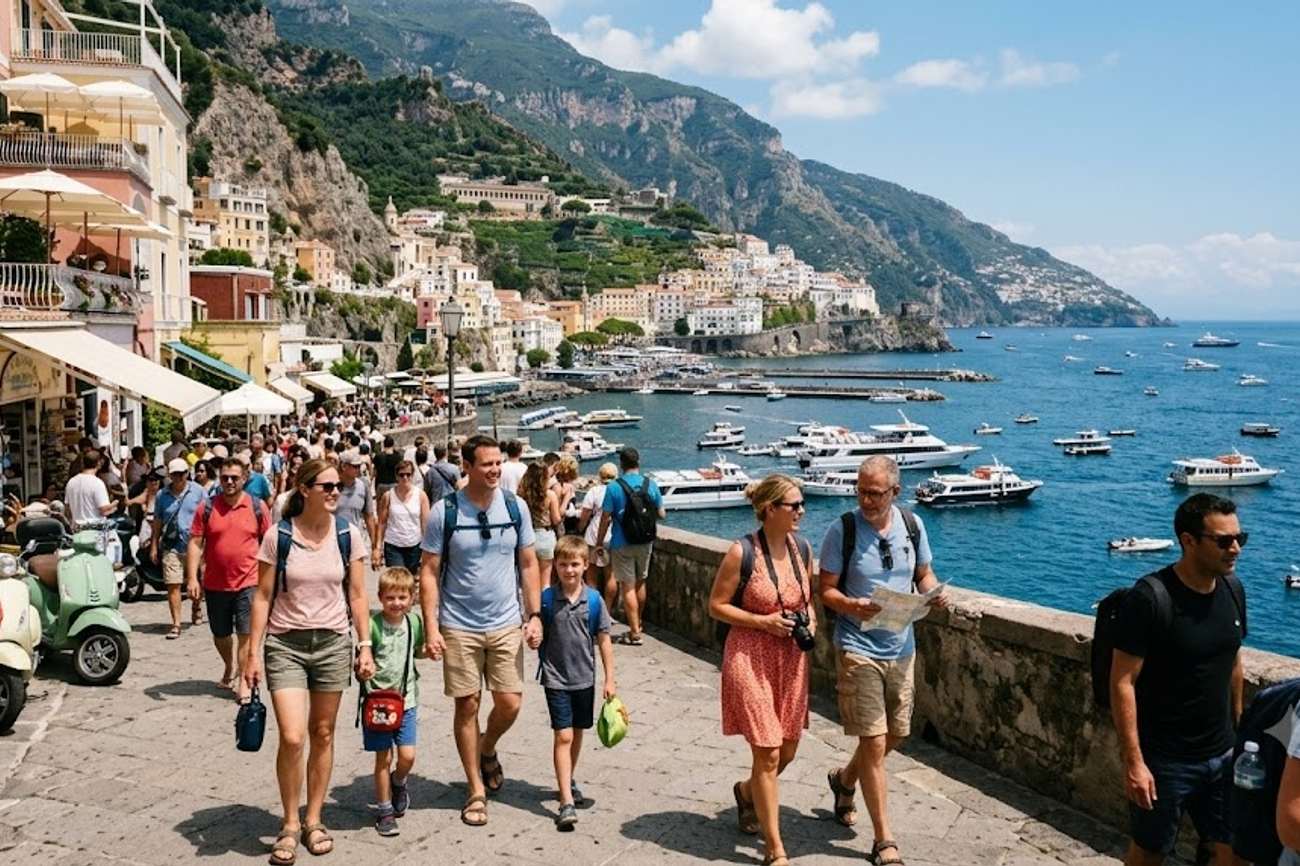
Image generated by AI
While the world focuses on Rome and Venice, the real story of 2026 is happening in Italy's smallest municipalities, where visitor arrivals surged by 5.6 percent between January and July. This shift marks a definitive move away from the "hit-the-highlights" itinerary toward a slower, more intentional exploration of the peninsula's rural heartlands.
The Great Italian Dispersion
Italy is currently experiencing a fundamental change in how it is consumed by the global traveler. The 2026 season has not just been about volume—though the numbers are staggering—but about duration and depth. In the second quarter of 2026 alone, the country welcomed more than 72 million arrivals and recorded 276 million overnight stays. While a 2 percent overall increase might seem modest, the nuance lies in the behavior of international guests.
Foreign arrivals grew by roughly 2.2 percent, yet overnight stays jumped by 4.4 percent. This gap reveals a critical trend: the "short-stay" tourist is being replaced by the "slow" traveler. Visitors from the United States, Germany, France, the UK, Switzerland, and Austria are no longer treating Italy as a checklist of museums. Instead, they are extending their stays to weave together multiple regions, blending the high-energy atmosphere of the cities with the quietude of the countryside.
This evolution is a deliberate strategic pivot. By steering the flow of people away from the saturated centers of Florence and Rome, Italy is redistributing the economic benefits of tourism to smaller villages and remote mountain communities. The result is a more balanced ecosystem where local artisans and family-run pensions in the periphery are seeing record demand.
What Makes the Italian Hinterland Different
The allure of Italy has always been its regionalism, but 2026 has seen a specific craving for "authentic" geography. The current momentum is driven by a desire for experience-based tourism—where the goal is not to see a monument, but to participate in a local rhythm. This is most evident in the surge of interest in wine-growing regions, historic hill towns, and alpine retreats.
The northern reaches of the country are currently outperforming expectations. The Alpine region of Trento, for instance, saw a peak summer occupancy rate of 67.3 percent. This proves that the Italian Alps are no longer just a winter destination for skiers but a summer sanctuary for those seeking wellness and outdoor adventure. Similarly, the northeast region of Friuli-Venezia Giulia reached a 66.3 percent occupancy rate, offering a stark, quiet contrast to the crowded canals of the east.
To the south, the islands are maintaining their prestige but shifting their focus. Sardinia, which recorded a 67.2 percent occupancy rate during the peak season, is leaning heavily into its Mediterranean landscapes and premium, nature-centric experiences. The draw here is the intersection of raw environmental beauty and high-end luxury, providing a sanctuary for those escaping the heat of the mainland cities.
Visitor Insider Tips
Navigating Italy in this new era of "slow travel" requires a different approach than the traditional tourist route. To truly experience the shift toward regional discovery, consider these local strategies:
Timing the Peaks To avoid the crush of the 72 million arrivals seen in Q2, shift your window to the "shoulder" months of May or September. If you are heading to the Alps or Sardinia, the late June window offers the best balance of weather and availability before the July/August surge.
The Borghi Strategy Instead of basing yourself in a major hub, look for "Borghi" (historic fortified villages). These smaller municipalities are seeing a 4.4 percent rise in overnight stays because they offer a more intimate look at Italian life. Base yourself in a village in the Dolomites or the hills of Umbria and use it as a hub for day trips.
Transport Hacks While the high-speed rail connects the major cities, the real Italy is accessed via regional trains and rented cars. For the Alpine regions like Trento or the coastlines of Friuli-Venezia Giulia, a small vehicle is essential to reach the trailheads and vineyards that aren't served by public transit. Check the Trenitalia site for regional schedules, but be prepared for a slower pace.
Culinary Etiquette In the smaller municipalities, avoid restaurants with picture menus. Look for "Trattorias" or "Osterias" where the menu is handwritten and changes daily based on the market. In the north, prioritize polenta and mountain cheeses; in Sardinia, seek out authentic porceddu (suckling pig).
Cultural and Environmental Context
The acceleration of tourism in 2026 brings a complex set of challenges. While the growth in smaller towns is an economic boon for rural Italy, it places a new strain on infrastructure that was never designed for mass arrivals. The increase in overnight stays by foreign visitors means more pressure on local waste management, water resources, and the preservation of historic architecture.
There is a delicate tension between "promoting" a village and "preserving" it. As these smaller communities become trendy, there is a risk of "museumification," where local shops are replaced by souvenir stores. However, the current strategy pushed by Italian authorities emphasizes sustainable development. By diversifying the destinations, Italy is attempting to mitigate the "overtourism" crisis that has plagued Venice and Florence for a decade.
Preserving the integrity of these sites often falls under the guidance of UNESCO, as many of these smaller municipalities contain heritage sites of global importance. The goal for 2026 and beyond is to ensure that the 4.4 percent growth in overnight stays translates into long-term conservation funds rather than short-term exploitation. This balance is essential to keep the "authentic" experience that travelers are currently seeking. For more official guidance on traveling responsibly, the Italy Tourism Board provides resources on sustainable regional exploration.
FAQ: Visiting Italy 2026
What is the best time to visit the Alpine regions? While winter is popular for skiing, the summer peak (June-August) is now a major draw for hiking and wellness. For the best experience in regions like Trento, visit in late June to avoid the peak August crowds while enjoying full occupancy services.
Is it better to stay in cities or smaller towns? Current trends favor smaller municipalities. With arrivals in small towns increasing by 5.6 percent, visitors are finding more authentic experiences and less congestion in rural villages compared to the major heritage cities.
How do I get to the less-visited northern regions? Fly into major hubs like Milan or Venice, then use regional trains or rental cars to reach Friuli-Venezia Giulia or Trento. These areas are less connected by high-speed rail but offer more scenic routes.
Is Italy safe for solo travelers in rural areas? Yes, Italy is generally very safe for solo travelers. Small towns are often more welcoming and community-oriented than big cities, though basic Italian phrases are highly appreciated in rural municipalities.
Stop counting the monuments and start counting the memories in the quiet corners of the peninsula.
Related Travel Guides
- Neste and United Airlines Power Greener Travel With Expanded Sustainable Aviation Fuel Supply Across US Europe Airports
- Spain Follows Germany and More as France Sustainable Food Tourism Drives Farm-to-Table Travel
- Saudi Arabia Transform Eco-Tourism as Farasan, Al-Qassar And More Lead Coral Island Conservation Revolution
This article is for informational purposes. Flight routes, passenger regulations, visa rules, and transit advisories are subject to change by airlines and aviation authorities. Readers are advised to verify schedules and travel documentation with relevant carriers and border agencies before departure.
Related Stories

European Mass Protests Disrupt Travel Across France, Italy, Belgium, and Turkey in 2026
Storm Bruna 2026: Iberia Faces 200mm Rainfall and 6m Swells Triggering Mass Travel Chaos