
India's Tourism Growth Strategy: Benchmarking Greece's Destination Management Model
India is re-evaluating its global tourism strategy, using Greece's structured destination management model as a blueprint to upgrade visitor infrastructure.

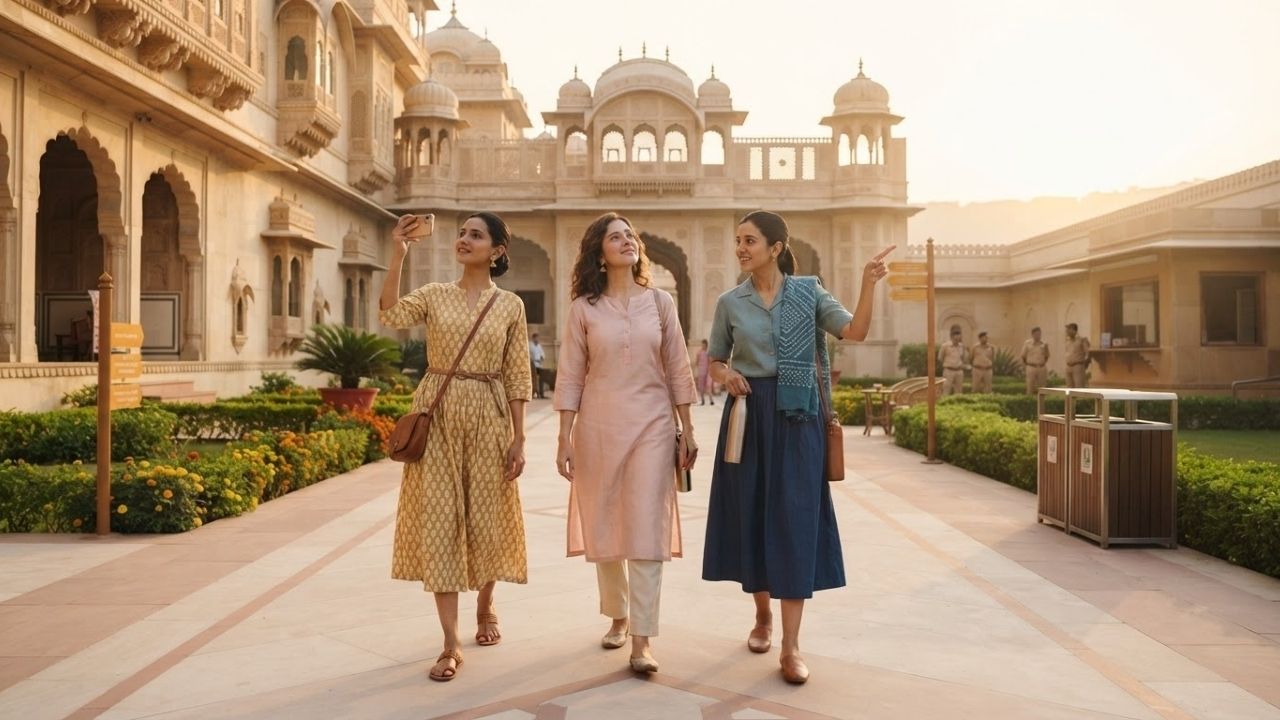
Image generated by AI
India is recalibrating its long-term global tourism strategy, examining structured destination management models like Greece to upgrade visitor infrastructure. By shifting focus from promoting raw attractions toward delivering clean, safe, and organized travel experiences, India aims to expand its share of international tourist arrivals.
India's Arrival Metrics and Global Market Share Gap
[NEW DELHI, India] — Tourism policy analysts and industry stakeholders are evaluating new destination management frameworks to accelerate India’s international visitor growth. Despite possessing an abundance of ancient monuments, UNESCO World Heritage sites, wildlife reserves, spiritual centers, and diverse geographic landscapes, India currently accounts for only 1.4 to 1.5 percent of global international tourist arrivals.
Official statistics reflect an untapped growth opportunity. Foreign tourist arrivals (FTAs) in India reached approximately 9.95 million in 2024, remaining below the pre-pandemic peak of 10.93 million recorded in 2019. Additional economic pressures affected arrival growth throughout 2025.
In contrast, mature tourism economies such as Greece consistently attract tens of millions of international visitors annually. Greek tourism success relies heavily on holistic destination management—combining natural beauty and historical heritage with clean public spaces, safe environments, accessible transport, and reliable visitor services.
Resolving Last-Mile Infrastructure and Public Sanitation Barriers
Global travel experts emphasize that modern tourists evaluate destinations based on the complete journey rather than monument aesthetics alone. Key factors shaping visitor perception include transportation efficiency, public sanitation, clear signage, crowd management, and personal safety.
While India has made major investments in national highways, modern airport terminals, and high-speed rail corridors, challenges remain at the local destination level:
- Sanitation Infrastructure: Clean, well-maintained, and accessible public toilet facilities remain a foundational expectation for international and domestic travelers.
- Site Management & Waste Control: Unregulated vendor activity, litter accumulation, and crowd bottlenecks around major monuments can detract from the visitor experience.
- Last-Mile Connectivity: Seamless transit connections from regional airports and railway stations to secondary cultural sites require tighter municipal integration.
- Standardized Information Services: Reliable multi-lingual signage, digital navigation tools, and certified tourist assistance desks are needed to simplify navigation.
Addressing these local operational barriers is essential for closing the gap between India’s cultural assets and the practical daily experience of travelers.
Implementing Pilot Destination Governance and Performance Benchmarks
To achieve systematic improvements, policy experts recommend establishing dedicated Destination Management Organizations (DMOs) across selected high-potential pilot locations.
Rather than attempting to overhaul every destination simultaneously, targeted pilot programs can establish international-standard visitor zones managed under strict performance benchmarks.
The table below outlines a comparative framework evaluating India's current operational baseline against Greece's benchmarked destination management model:
| Policy Dimension | India Current Operational Baseline | Greece Benchmark Model | Strategic Policy Objective |
|---|---|---|---|
| Global Arrival Share | 1.4% to 1.5% of global arrivals | Multi-million international arrivals | Expand global market share through managed assets |
| Peak Foreign Arrivals | 10.93 million (2019 pre-pandemic peak) | Tens of millions annually | Exceed pre-pandemic international visitor totals |
| 2024 Foreign Arrivals | 9.95 million international visitors | Sustained post-pandemic recovery | Accelerate year-over-year arrival growth rates |
| Destination Governance | Multi-tiered central, state & local split | Integrated municipal DMO governance | Streamline administration under unified DMOs |
| Public Sanitation Rules | Variable municipal maintenance | Standardized clean public facilities | Guarantee high-quality public restrooms & waste care |
| Site Crowd Control | Unregulated vendor & visitor queues | Zoned commercial & controlled entry | Implement digital ticketing & managed vendor zones |
Measuring Visitor Satisfaction Through Performance KPIs
Under a pilot governance model, selected cultural and natural hubs would be managed against quantifiable Key Performance Indicators (KPIs):
- Visitor Satisfaction Audits: Regular surveys assessing international and domestic traveler sentiment
- Sanitation & Cleanliness Ratings: Independent inspections of public facilities, waste disposal, and street hygiene
- Safety & Response Metrics: Dedicated tourist police deployment and rapid incident resolution times
- Transport & Accessibility Standards: Barrier-free access for families, seniors, and travelers with disabilities
- Digital Information Systems: Real-time mobile updates, verified QR guide tools, and digital complaint portals
Establishing clear administrative accountability ensures that infrastructure upgrades yield immediate, visible improvements for visitors on the ground.
Why This Matters for Passengers and International Travellers
For international travelers and domestic tourists exploring India, adopting a Greece-style destination management model promises a smoother, more comfortable journey. Upgrading last-mile infrastructure means visitors will encounter cleaner public facilities, organized entry queues at iconic monuments, and reliable tourist assistance desks. By transforming historical sites into well-managed, stress-free destinations, India allows travelers to focus entirely on enjoying its rich heritage, diverse cuisines, and ancient culture.
Frequently Asked Questions
What is India's current share of global international tourist arrivals?
India currently represents approximately 1.4 to 1.5 percent of global international tourist arrivals, recording 9.95 million foreign tourist arrivals in 2024 compared to its pre-pandemic peak of 10.93 million in 2019.
What lessons can India learn from Greece's tourism model?
Greece demonstrates that long-term tourism success depends on effective destination management, including clean public spaces, organized commercial zones, safe environments, accessible public transport, and reliable visitor services alongside natural and historic attractions.
How can pilot destination management programs improve tourism in India?
By establishing pilot destination management programs in key cultural hubs, authorities can enforce measurable performance standards for sanitation, safety, crowd control, and transport accessibility, creating international-standard travel experiences.
Related Travel Guides
India Golden Triangle Travel Advisory and Heritage Site Rules
Greece Sustainable Tourism Infrastructure and Island Transit Guide
10 Best Heritage Destinations in India for International Travelers, According to Reddit
Disclaimer
This article is for informational and educational purposes only. It does not constitute legal, financial, or professional advice. While we strive to provide accurate and up-to-date information, travel policies, regulations, and conditions change rapidly. Always verify information with official sources before making travel decisions. Nomad Lawyer makes no representations about the accuracy, reliability, completeness, or suitability of the information provided. Readers should consult qualified professionals for advice specific to their circumstances. The views expressed in this article are those of the author and do not necessarily reflect the views of Nomad Lawyer.
Raushan Kumar
Founder & Lead Developer
Full-stack developer with 11+ years of experience and a passionate traveller. Raushan built Nomad Lawyer from the ground up with a vision to create the best travel and law experience on the web.
Learn more about our team →