
India Tourism Sector Enters Digital Era with AI Innovation, e-Visa Expansion, and Record Visitor Growth
India's tourism economy accelerates with 428.55 crore domestic visits, AI-driven Incredible India digital platforms, and e-Visa availability for 172 nations.

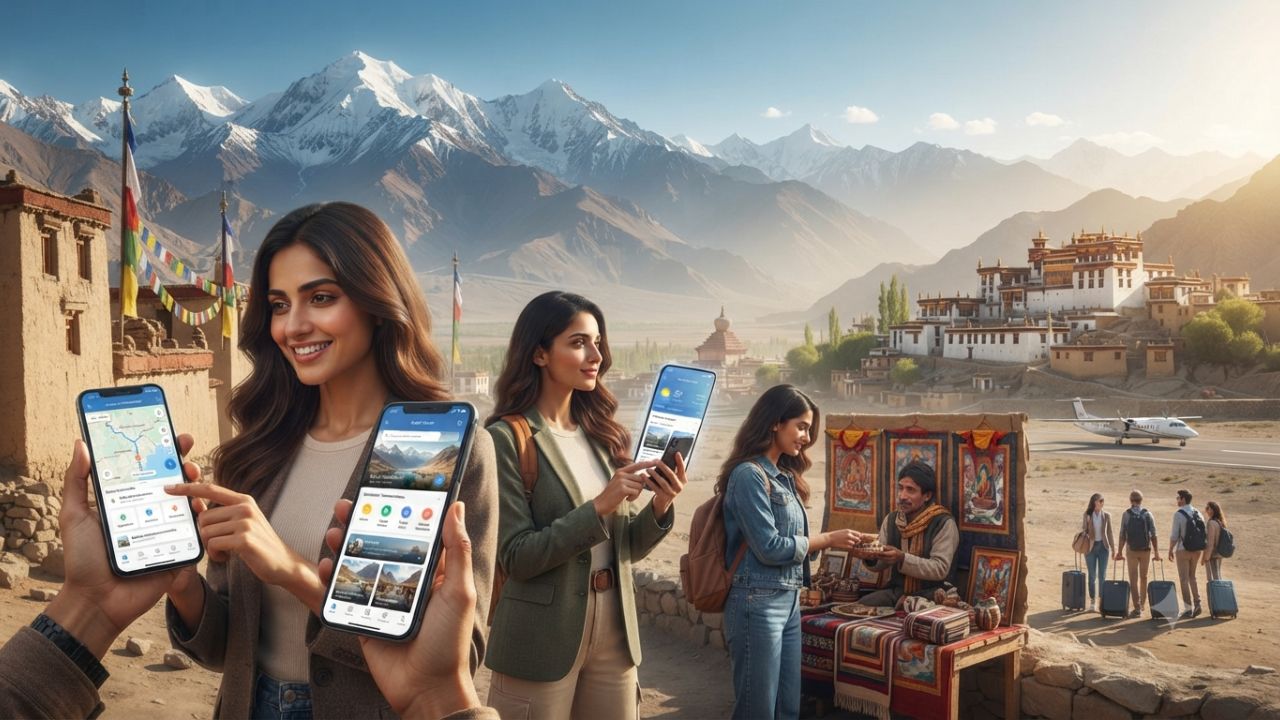
India leverages artificial intelligence and digital platform integration to transform visitor experiences ahead of World Tourism Day 2026.
India’s travel and tourism sector is undergoing a rapid digital transformation, powered by artificial intelligence integration, expanded electronic visa access for 172 nations, and record visitor arrivals. Official government data reveals that domestic tourist visits reached 428.55 crore in 2025 alongside 2.53 crore international visitor arrivals, cementing tourism as a core driver of national GDP growth and employment.
[NEW DELHI] — India’s tourism economy is entering a technology-first era as government authorities roll out AI-driven travel planning tools, expanded digital visa infrastructure, and national destination development programs. Timed with World Tourism Day on September 27, 2026—celebrated globally under the theme "Digital Agenda and Artificial Intelligence to Redesign Tourism"—the nation is modernizing its hospitality and travel ecosystem to capture growing international and domestic demand.
According to official statistics from the Ministry of Tourism, Government of India, domestic travel surged to 428.55 crore visits in 2025, while international tourist visits reached 2.53 crore. During the 2023–24 fiscal year, tourism directly and indirectly contributed 5.22 percent to India’s Gross Domestic Product (GDP) and sustained approximately 8.46 crore jobs across hospitality, transport, aviation, and destination commerce.
Digital Ecosystem: Incredible India Platform and NIDHI+ Integration
Central to India’s modernization strategy is the upgraded Incredible India Digital Platform and the NIDHI+ national hospitality portal. The Ministry of Tourism has integrated generative artificial intelligence and interactive digital tools to streamline trip planning for inbound international travelers and domestic tourists alike.
The AI-enabled digital suite provides predictive assistance and immersive destination previews across multiple tourism segments:
- Virtual Heritage and Culture Tours: Immersive digital previews of UNESCO World Heritage sites, architectural monuments, and traditional arts.
- Real-Time Weather and Itinerary Tools: Automated AI assistance delivering micro-climate forecasts, city exploration maps, and localized transit updates.
- Specialized Niche Tourism Modules: Interactive directories highlighting adventure sports, Ayurveda and wellness retreats, culinary routes, and rural homestays.
By offering personalized itinerary recommendations based on user preferences, transit choices, and seasonal travel windows, the platform reduces trip planning friction and encourages exploration of emerging regional destinations beyond primary urban gateways.
| Digital Tourism Platform | Core Technology | Primary Functionality | Target User Base |
|---|---|---|---|
| Incredible India Digital | Generative AI & Virtual Reality | Real-time weather, city maps, heritage previews | Global tourists & domestic travelers |
| NIDHI+ Portal | Cloud Data Registry | Accommodation grading, safety compliance, digital verification | Hospitality operators & travel trade |
| Indian e-Visa Portal | Automated Document Processing | Fast-track online visa application & payment | Citizens of 172 eligible countries |
Electronic Visa Expansion: Streamlining Access Across 88 Immigration Gateways
A major pillar of India’s international tourism revival is the expansion of its electronic visa (e-Visa) architecture. Initially launched in 2014 as an Electronic Travel Authorisation (ETA) for citizens of just 43 countries, the facility has expanded to cover nationals from 172 countries worldwide.
International travelers can now enter India via 88 designated immigration entry points:
- 37 International Airports: Including major transit hubs in Delhi, Mumbai, Bengaluru, Chennai, Hyderabad, and Kolkata.
- 38 Seaports: Facilitating luxury cruise passenger arrivals along India’s extensive coastline.
- 13 Land Immigration Checkpoints: Supporting cross-border overland tourism with neighboring nations.
Electronic visas now account for approximately 78 percent of all visitor visas issued by Indian diplomatic missions and online portals. System automation has dramatically reduced administrative delays, with roughly 95 percent of all e-Visa applications processed and granted within 72 hours of submission.
| Implementation Metric | 2014 Baseline | 2026 Operational Status | Growth Impact |
|---|---|---|---|
| Eligible Countries | 43 nations | 172 nations | +300% international coverage expansion |
| Designated Entry Gateways | Select major airports | 88 points (37 airports, 38 seaports, 13 land ports) | Multimodal entry options for cruise & air travelers |
| Share of Total Visas Issued | Under 15% | 78% of all Indian visas | Dominant digital entry authorization channel |
| Processing Turnaround Time | 7–14 business days | 95% processed within 72 hours | Rapid travel planning & spontaneous bookings |
Economic Impact and Foreign Exchange Generation
The economic footprint of Indian tourism is tracked using the Tourism Satellite Account (TSA), an international accounting framework endorsed by the UN Tourism (World Tourism Organization). Official TSA calculations demonstrate that tourism foreign exchange earnings rose to Rs 2,76,831 crore, reflecting increased international visitor spending on premium hospitality, domestic flights, cultural tours, and artisanal retail.
In addition to direct foreign exchange, domestic travel spending generates significant economic velocity across secondary and tertiary towns, creating sustainable livelihoods in transport networks, regional culinary establishments, and community-guided heritage tours.
| Economic Benchmark (India Tourism) | Recorded Figure | Significance to National Economy |
|---|---|---|
| Domestic Tourist Visits (2025) | 428.55 crore | Drives regional economic dispersal across all 28 states |
| International Tourist Visits (2025) | 2.53 crore | Restores inbound long-haul travel volume |
| GDP Contribution Share (2023–24) | 5.22% | Key driver of non-manufacturing economic growth |
| Total Employment Supported | 8.46 crore jobs | Supports direct & indirect hospitality & transport livelihoods |
| Foreign Exchange Earnings | Rs 2,76,831 crore | Strengthens national balance of payments |
Sustainable Infrastructure Missions: Swadesh Darshan 2.0 and PRASHAD
To absorb growing tourist numbers without overburdening historical infrastructure, the Ministry of Tourism is implementing target-driven destination development programs, notably Swadesh Darshan 2.0 and PRASHAD (Pilgrimage Rejuvenation and Spiritual Heritage Augmentation Drive).
These initiatives prioritize:
- Sustainable Destination Management: Implementing carrying-capacity limits, eco-friendly waste management, and solar-powered facilities at heritage monuments.
- Spiritual and Cultural Tourism Upgrades: Modernizing access corridors, visitor centers, and hygiene facilities around major pilgrimage centers.
- Ocean and River Cruise Development: Upgrading maritime passenger terminals in Mumbai, Cochin, Goa, Visakhapatnam, and along the Ganges river network.
- Tourism Skill Development Programs: Up-skilling local youth, hospitality staff, and certified tour guides in digital tools, foreign languages, and sustainable tourism practices.
Global Context: International Travel Recovery and Strategic Outlook
India’s digital tourism momentum mirrors a robust post-pandemic recovery across global travel markets. World Travel & Tourism Council (WTTC) research indicates that the global travel and tourism sector contributed $10.9 trillion to the worldwide economy in 2024, accounting for approximately 10 percent of global GDP. The sector supported 357 million jobs globally and generated nearly $1.9 trillion in international visitor spending.
As destination choices become increasingly competitive worldwide, countries adopting artificial intelligence, automated immigration clearance, and seamless digital platforms are capturing a higher share of high-yield international travelers. India’s strategic focus on AI integration and e-Visa accessibility positions the nation to expand its global market share over the coming decade.
Actionable Guidance for Travelers Visiting India in 2026
Travelers planning trips to India should take advantage of newly upgraded digital systems:
- Apply via the Official e-Visa Portal: Ensure visa applications are submitted through the official government portal (
indianvisaonline.gov.in). Allow up to 72 hours for processing before international departure. - Utilize Incredible India AI Tools: Access real-time weather alerts, verified heritage guides, and interactive city maps via the official Incredible India mobile application.
- Explore Tier-2 and Tier-3 Heritage Destinations: Take advantage of expanded regional air connectivity under Swadesh Darshan 2.0 to visit lesser-known cultural destinations outside traditional tourist circuits.
Frequently Asked Questions
Which countries are eligible for the Indian e-Visa program?
Nationals from 172 countries are currently eligible to apply for Indian electronic visas across tourist, business, medical, and conference categories.
How fast are Indian e-Visas processed online?
Approximately 95 percent of all valid e-Visa applications are processed and issued online within 72 hours of submission.
What are the main entry points for e-Visa holders entering India?
E-Visa holders can enter India through 88 designated immigration checkpoints, including 37 international airports, 38 seaports, and 13 land border checkposts.
How much does tourism contribute to India’s economy and employment?
Tourism contributes 5.22 percent to India's GDP, generates Rs 2,76,831 crore in foreign exchange earnings, and supports around 8.46 crore direct and indirect jobs.
Related Travel Guides
Disclaimer
This article is for informational and educational purposes only. It does not constitute legal, financial, or professional advice. While we strive to provide accurate and up-to-date information, travel policies, regulations, and conditions change rapidly. Always verify information with official sources before making travel decisions. Nomad Lawyer makes no representations about the accuracy, reliability, completeness, or suitability of the information provided. Readers should consult qualified professionals for advice specific to their circumstances. The views expressed in this article are those of the author and do not necessarily reflect the views of Nomad Lawyer.
Kunal K Choudhary
Co-Founder & Contributor
A passionate traveller and tech enthusiast. Kunal contributes to the vision and growth of Nomad Lawyer, bringing fresh perspectives and driving the community forward.
Learn more about our team →