Global Wellness Tourism Market Hits $7.5 Trillion as Holistic Travel Trends Surge in 2026

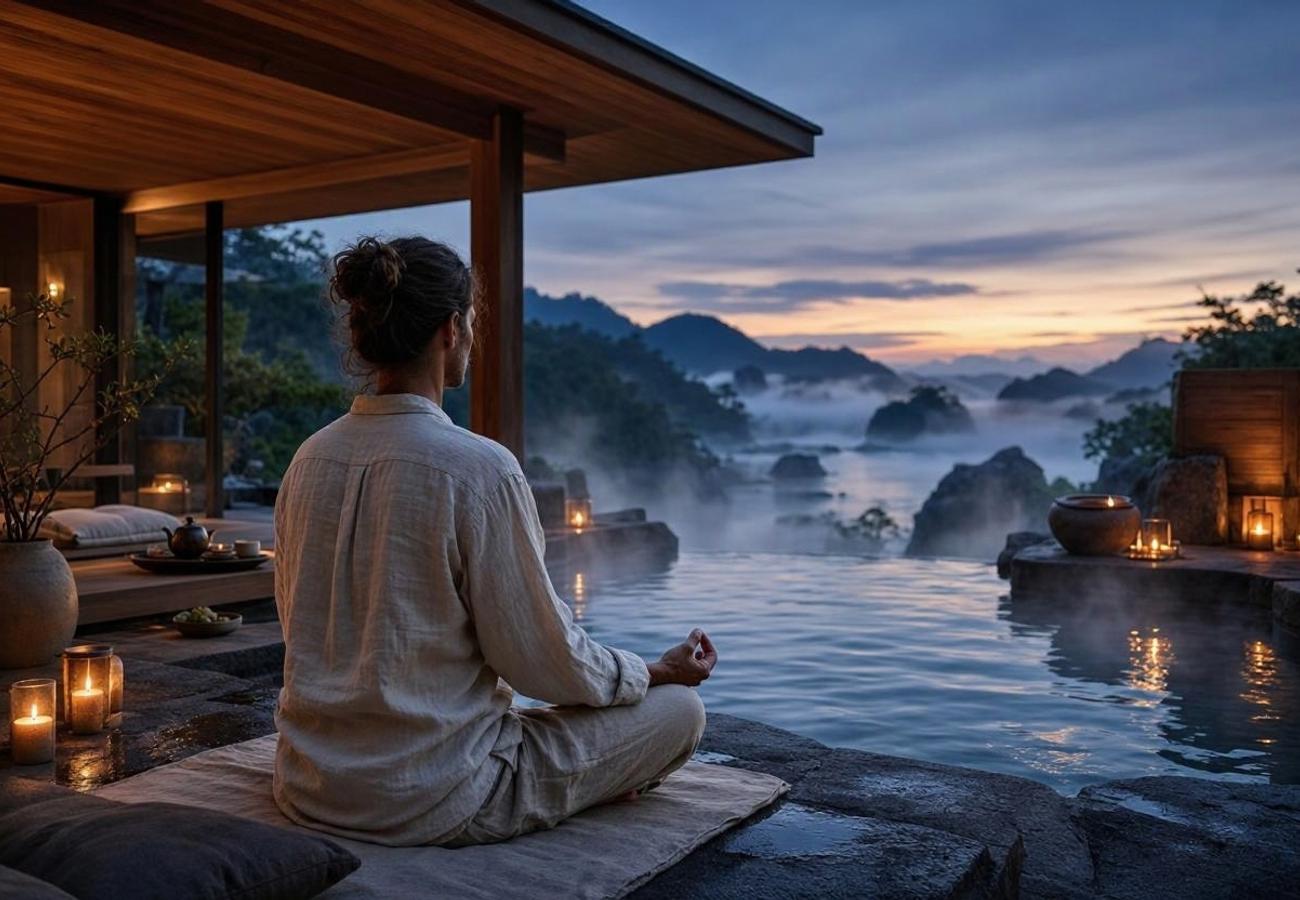
Image generated by AI
The global wellness economy has officially scaled to US$7.5 trillion as of 2025, signaling a massive shift in how the world vacations. Rather than simple sightseeing, a growing segment of international travelers is now treating their itinerary as a prescription for physical and mental restoration.
The Shift Toward Restorative Travel
The current surge in wellness tourism isn't just about luxury massages; it is a fundamental pivot toward preventative health. The broader wellness market is on a trajectory to hit US$10.9 trillion by 2030, with a steady annual growth rate of approximately 7.7%. This expansion is fueled by a post-pandemic obsession with longevity and mental clarity, moving the industry beyond the "spa day" into comprehensive lifestyle transformations.
While the total wellness economy is vast, the tourism-specific slice focuses on "wellness properties"—hotels and resorts that integrate fitness, nutrition, and mental health into the stay. From the thermal waters of Central Europe to the spiritual hubs of the Himalayas, the goal is now "restorative travel," where the destination serves as a catalyst for personal health.
Regional Identities in Global Wellbeing
Different corners of the globe are leveraging their unique cultural heritage to capture this market, offering experiences that range from austere spiritualism to high-tech luxury.
Asia: Spiritualism and Thermal Rituals
In India, the focus remains on deep ancestral healing. Kerala continues to lead in Ayurveda, while Rishikesh serves as the global epicenter for yoga and meditation. In Thailand, the approach is more versatile; visitors often mix the urban luxury of Bangkok’s wellness hotels with the beachfront fitness retreats of Phuket or the quiet, mountain-based meditation centers of Chiang Mai.
Japan offers a starkly different experience through its onsen (hot spring) culture. In regions like Hakone, Beppu, and Kusatsu, wellbeing is tied to the land. These experiences are less about "programs" and more about cultural immersion, often centered around traditional inns (ryokans) and regional seasonal cuisine. You can find more details on cultural etiquette and regional travel via the Japan National Tourism Organization.
The West and Middle East: Nature and Opulence
Australia has leaned into its rugged geography. Byron Bay has become a hub for coastal yoga and surfing, while Daylesford is the go-to for mineral springs. Similarly, Europe utilizes its historic "spa town" legacy. Germany and Austria maintain a rigorous tradition of thermal bathing, while Hungary—specifically Budapest—is world-renowned for its historic thermal baths, many of which are UNESCO World Heritage adjacent or influenced.
Meanwhile, the UAE has redefined wellness through a luxury lens. Dubai has moved beyond shopping to offer high-end fitness facilities and beachside relaxation, catering to a crowd that wants medical-grade wellness combined with five-star hospitality.
Regional Wellness Comparison 2026
| Region/Country | Primary Hubs | Core Experience | Vibe |
|---|---|---|---|
| India | Kerala, Rishikesh, Goa | Ayurveda, Yoga, Meditation | Spiritual/Traditional |
| Thailand | Phuket, Chiang Mai, Bangkok | Thai Massage, Tropical Retreats | Relaxed/Diverse |
| Japan | Hakone, Beppu, Kusatsu | Onsen (Hot Springs), Bathing | Minimalist/Cultural |
| Australia | Byron Bay, Daylesford | Nature-based, Coastal Yoga | Active/Outdoors |
| Europe | Budapest, Baden-Baden, St Moritz | Thermal Baths, Alpine Spas | Historic/Medical |
| UAE | Dubai, Abu Dhabi | Luxury Spas, High-tech Fitness | Opulent/Modern |
Visitor Insider Tips
To truly experience these destinations through a local lens, avoid the "all-inclusive" tourist packages and try these specific approaches:
- Japan's Onsen Etiquette: In traditional hot springs, remember that tattoos are still restricted in some public baths. Always shower thoroughly before entering the water. For a more authentic experience, stay in a ryokan rather than a modern hotel.
- India's Authentic Ayurveda: In Kerala, distinguish between "wellness massages" and "Ayurvedic treatments." Authentic treatments are prescribed by a Vaidya (doctor) and may involve restrictive diets and specific oils.
- Thailand's Timing: To avoid the crowds in Chiang Mai’s meditation centers, visit during the shoulder seasons (October to November).
- European Thermalism: In Budapest, skip the most famous baths during midday. Visit the smaller, neighborhood baths for a more local, less commercialized experience.
- Transport Hack: Use the Eurail network to connect the spa towns of Germany, Austria, and Switzerland, as many of these historic wellness hubs are designed for rail access.
Cultural and Environmental Context
The boom in wellness tourism brings a complex set of challenges. In places like India and Thailand, there is a tension between the commercialization of spiritual practices and the preservation of authentic traditions. When yoga or Ayurveda becomes a "product" for high-paying tourists, the original intent of these practices can be diluted.
Environmentally, the reliance on natural springs and coastal purity means that over-tourism can lead to groundwater depletion and pollution. In Australia and Japan, the focus has shifted toward "low-impact" wellness, encouraging visitors to engage with nature without disrupting the fragile ecosystems that make these retreats possible.
FAQ: Visiting Wellness Destinations 2026
What is the best time to visit for wellness retreats? It depends on the region. For India and Thailand, the cooler months (November to February) are ideal. For European Alpine retreats, winter offers the classic "snow and spa" experience, while summer is best for hiking and nature-based wellbeing.
Do I need a visa for these destinations? Visa requirements vary by nationality. Most travelers can obtain e-visas for India and Thailand. Japan and many EU countries offer visa-free entry for several nationalities, but always check the official government portal before booking.
How do I ensure a wellness retreat is authentic? Look for certifications from local health boards or traditional practitioners. In India, seek practitioners recognized by the Ministry of AYUSH. In Japan, look for traditional ryokans with long-standing family histories.
Is wellness tourism safe for solo travelers? Yes, wellness hubs are generally very safe for solo travelers. Retreats often provide a built-in community, and destinations like Japan and the UAE are noted for high safety standards for individuals.
True luxury is no longer about what you own, but how you feel when you leave.
Related Travel Guides
This article is for informational purposes. Flight routes, passenger regulations, visa rules, and transit advisories are subject to change by airlines and aviation authorities. Readers are advised to verify schedules and travel documentation with relevant carriers and border agencies before departure.
Related Stories
Caribbean Tourism 2027: New UK and European Transit Strategies for Island Hopping

Japan International Tourism Hits 30.7 Million Arrivals in 2026 as South Korea and Taiwan Surge