
India's Swaraj Dweep Ranks 9th Globally in 2026 Unspoilt Index for Peaceful Island Escapes
Swaraj Dweep has secured the ninth position in the 2026 Unspoilt Index, marking it as the only Indian destination among the world's top 10 quietest islands.

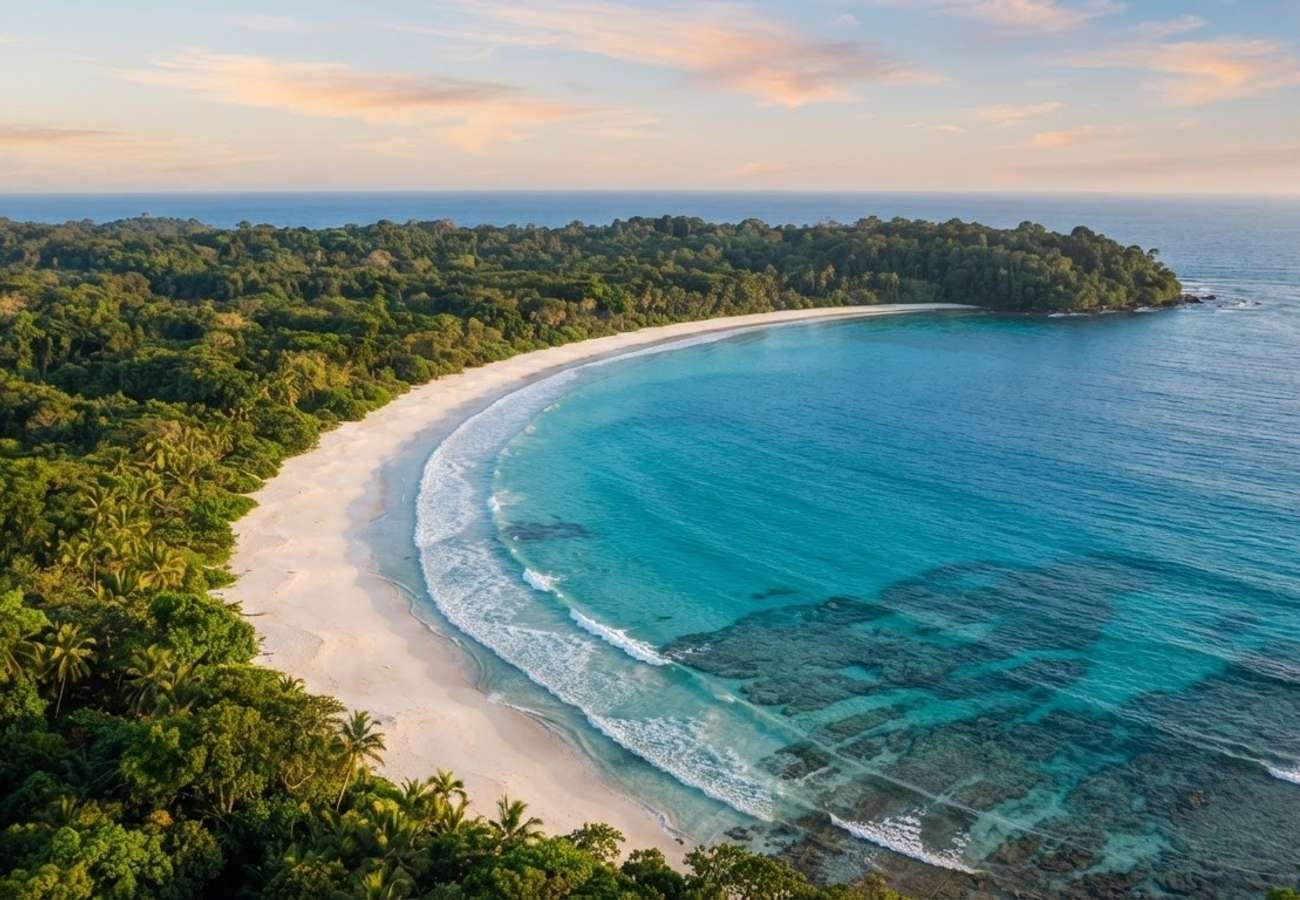
Image generated by AI
India's Swaraj Dweep has officially entered the global elite of tranquil destinations, ranking ninth in the 2026 Unspoilt Index as one of the world's top 10 most peaceful islands. This recognition establishes the Andaman gem as the sole Indian representative in the top tier, lauded for its commitment to low-density development and the preservation of its primary tropical forests.
Measuring Tranquillity Through the Unspoilt Index
The global ranking was determined by an analysis of 100 islands worldwide, utilizing a rigorous set of environmental and infrastructure metrics to quantify "natural tranquillity." The assessment focused on several key indicators, including the extent of natural landscapes, population density, and the prevalence of noise pollution from aircraft and airports. Additionally, the index examined the density of road networks, coastal characteristics, and the level of night-time light pollution.
Swaraj Dweep achieved a high score of 87.9 out of 100. This figure reflects the island's ability to resist the urban sprawl common in other tropical hubs, maintaining vast tracts of untouched greenery and minimal industrial infrastructure.
Strategic Isolation and Accessibility of Swaraj Dweep
Covering approximately 113 square kilometres within the Andaman and Nicobar archipelago, Swaraj Dweep (formerly known as Havelock Island) has managed to grow its tourism sector without sacrificing its ecological integrity. A primary factor in its high ranking is the lack of a local airport, which prevents the noise pollution and rapid passenger influx associated with aviation hubs.
Currently, visitors must travel via ferry from Sri Vijaya Puram (formerly Port Blair). This logistical requirement acts as a natural filter, ensuring that tourism grows at a controlled pace and that the island's atmosphere remains serene. By avoiding the construction of high-density transport networks and large-scale urban centers, the destination has preserved the open coastal landscapes that attract high-value, nature-seeking travellers.
Shifting Global Trends Toward Nature-Based Tourism
The rise of Swaraj Dweep in the global rankings mirrors a broader evolution in traveller psychology. Industry data integrated into the Unspoilt Index indicates a significant year-on-year increase in searches for "quiet destinations." Modern travellers are increasingly abandoning overcrowded tourism hotspots in favour of nature-focused retreats and holidays that prioritise outdoor experiences over commercial entertainment.
This shift creates a competitive advantage for destinations that can offer a combination of wildlife, marine biodiversity, and cultural authenticity without the pressure of mass-market tourism. Swaraj Dweep exemplifies this trend, positioning itself as a sanctuary for those seeking a slower pace of life.
Primary Natural Attractions and Coastal Landscapes
The island's appeal is anchored by its diverse coastal geography and dense forest cover. Three primary beaches define the visitor experience:
- Radhanagar Beach: Located on the western coast, this site is renowned for its expansive white shoreline and crystal-clear waters, framed by lush greenery.
- Kalapathar Beach: Offering a more secluded environment, this beach is prized for its dramatic views and quiet atmosphere.
- Elephant Beach: A hub for active travellers, this area is the primary gateway for marine exploration.
The interior of the island remains dominated by tropical forests, which serve as a biological buffer and maintain the cooling, quiet environment essential for its "unspoilt" status.
Marine Biodiversity and Adventure Tourism
While tranquillity is the primary draw, Swaraj Dweep is also a premier destination for underwater exploration. The island's coral ecosystems and high water clarity have made it one of India's most significant scuba-diving locations.
For those seeking adventure, Elephant Beach provides accessible snorkelling opportunities. More experienced divers frequently target Dixon’s Pinnacle, one of the region's most respected deep-diving sites. This duality—offering both extreme silence and high-adrenaline marine activity—allows the island to attract a diverse demographic of travellers.
Comparative Analysis of Global Island Destinations
The 2026 rankings reveal a stark contrast between "unspoilt" destinations and those that have succumbed to over-tourism. Several world-famous islands performed poorly due to their heavy infrastructure and high visitor volumes.
| Island Destination | Unspoilt Index Rank | Primary Reason for Ranking |
|---|---|---|
| Swaraj Dweep | 9th | Low density, minimal infrastructure |
| Ibiza | 85th | High tourism density, urbanisation |
| Phuket | 95th | Extensive infrastructure, high traffic |
| Santorini | 99th | Extreme visitor congestion |
| Malta | 100th | Highest level of development/density |
This data suggests that the very factors that make a destination "famous" in a commercial sense—such as airports, hotels, and paved roads—are the same factors that degrade the quality of a peaceful escape.
Why This Matters for the Modern Traveller
From a logistical and experiential standpoint, the ranking of Swaraj Dweep signals a shift in how "luxury" is defined in travel. For the contemporary traveller, luxury is no longer about five-star amenities but about "silence" and "space."
For those planning a visit, the lack of an airport means the journey requires more intentionality and time, but the reward is a destination where the biological clock can reset. Legally and environmentally, the island's success serves as a blueprint for other Indian territories: by limiting infrastructure, they can attract a more sustainable, respectful type of tourism that preserves the environment for future generations.
Swaraj Dweep stands as a rare example of a destination that has successfully balanced international visibility with ecological silence.
Related Travel Guides
Disclaimer
This article is for informational and educational purposes only. It does not constitute legal, financial, or professional advice. While we strive to provide accurate and up-to-date information, travel policies, regulations, and conditions change rapidly. Always verify information with official sources before making travel decisions. Nomad Lawyer makes no representations about the accuracy, reliability, completeness, or suitability of the information provided. Readers should consult qualified professionals for advice specific to their circumstances. The views expressed in this article are those of the author and do not necessarily reflect the views of Nomad Lawyer.
Kunal K Choudhary
Co-Founder & Contributor
A passionate traveller and tech enthusiast. Kunal contributes to the vision and growth of Nomad Lawyer, bringing fresh perspectives and driving the community forward.
Learn more about our team →